Blog

To Pop or Not to Pop (Your Blister)

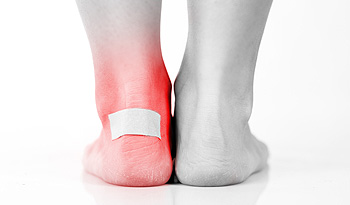
If you have a blister on your foot, you may feel tempted to pop the fluid-filled pocket under your skin. Should you? The general consensus is that you probably shouldn’t. A blister is filled with serum, the liquid part of your blood that contains protective substances like antibodies. Popping or draining your blister removes the serum and makes a hole in your skin, opening the area up to infection. Popping the blister can also cause more pain than simply having an intact blister on your foot. Additionally, it is very important to avoid popping your foot blister if you have diabetes, heart failure, peripheral artery disease, swollen legs, venous ulcers, or a condition that affects your immune system, as these things can increase your chances of getting an infection. If you have a painful foot blister, it is recommended that you visit a podiatrist for treatment. 

Blisters are prone to making everyday activities extremely uncomfortable. If your feet are hurting, contact one of our podiatrists of Advanced Foot & Ankle Medical Center . Our doctors can provide the care you need to keep you pain-free and on your feet.

Foot Blisters

Foot blisters develop as a result of constantly wearing tight or ill-fitting footwear. This happens due to the constant rubbing from the shoe, which can often lead to pain.

What Are Foot Blisters?

A foot blister is a small fluid-filled pocket that forms on the upper-most layer of the skin. Blisters are filled with clear fluid and can lead to blood drainage or pus if the area becomes infected.

How Do Blisters Form?

Blisters on the feet are often the result of constant friction of skin and material, usually by shoe rubbing. Walking in sandals, boots, or shoes that don’t fit properly for long periods of time can result in a blister. Having consistent foot moisture and humidity can easily lead to blister formation.

Prevention & Treatment

It is important to properly care for the affected area in order to prevent infection and ease the pain. Do not lance the blister and use a Band-Aid to provide pain relief. Also, be sure to keep your feet dry and wear proper fitting shoes. If you see blood or pus in a blister, seek assistance from a podiatrist.

If you have any questions, please feel free to contact our office located in Thousand Oaks, CA . We offer the newest diagnostic and treatment technologies for all your foot care needs.
Read more about Blisters

Do I Need Hammertoe Surgery?

A hammertoe, as its name suggests, is a condition that affects the joints of the toe, causing it to bend in a downward shape, resembling a hammer. To help improve the toe’s flexibility, lessen the pain caused by the hammertoe, and to straighten the affected toe, surgery may be a good option for you. Surgery for a hammertoe will typically be suggested by a professional after conservative treatments, such as splints or orthotics, have failed to improve the condition. To help prepare for surgery, your podiatrist may suggest seeing a physical therapist, keeping weight off of your toe, and practicing certain exercises to help improve your overall balance in order to prepare you for moving around post-surgery. To help decide if surgery is the best treatment option for you, please consult with a podiatrist.

Hammertoe

Hammertoes can be a painful condition to live with. For more information, contact one of our podiatrists from Advanced Foot & Ankle Medical Center . Our doctors will answer any of your foot- and ankle-related questions.

Hammertoe is a foot deformity that affects the joints of the second, third, fourth, or fifth toes of your feet. It is a painful foot condition in which these toes curl and arch up, which can often lead to pain when wearing footwear.

Symptoms

  • Pain in the affected toes
  • Development of corns or calluses due to friction
  • Inflammation
  • Redness
  • Contracture of the toes

Causes

Genetics – People who are genetically predisposed to hammertoe are often more susceptible

Arthritis – Because arthritis affects the joints in your toes, further deformities stemming from arthritis can occur

Trauma – Direct trauma to the toes could potentially lead to hammertoe

Ill-fitting shoes – Undue pressure on the front of the toes from ill-fitting shoes can potentially lead to the development of hammertoe

Treatment

Orthotics – Custom made inserts can be used to help relieve pressure placed on the toes and therefore relieve some of the pain associated with it

Medications – Oral medications such as anti-inflammatories or NSAIDs could be used to treat the pain and inflammation hammertoes causes. Injections of corticosteroids are also sometimes used

Surgery – In more severe cases where the hammertoes have become more rigid, foot surgery is a potential option

If you have any questions please contact our office located in Thousand Oaks, CA . We offer the newest diagnostic and treatment technologies for all your foot and ankle needs.

Read more about What Are Hammertoes?

Why Is My Toenail Discolored?

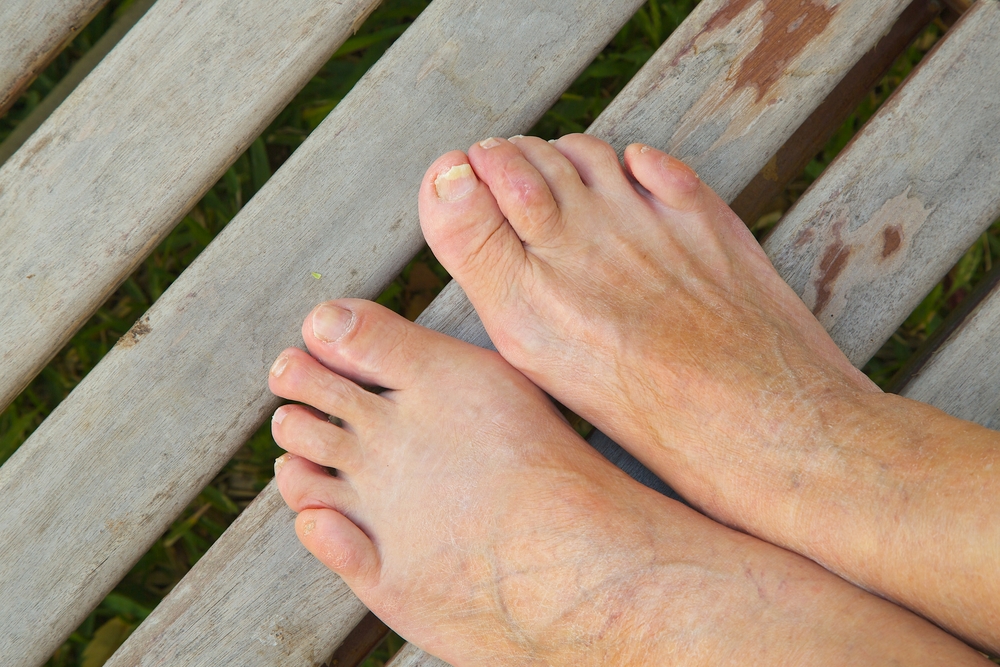
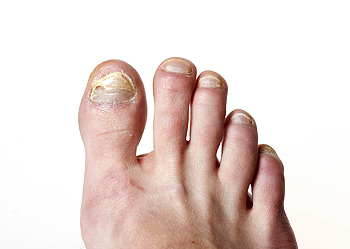
A contagious foot condition that affects the toes is known as toenail fungus. One of the most common symptoms related to toenail fungus is the discoloration of the affected toenail. Toenails may have a whitish to yellowish spot on the affected toenail. When not treated promptly, the symptoms and fungus can easily spread from toe to toe. Other symptoms can include the nail thickening, becoming brittle and crumbly, or taking on a distorted shape. Fungus thrives in warm and moist environments, so it is important to ensure that you have the proper footwear on while in locations such as communal swimming pools or locker room areas. Wearing proper footwear may help to prevent you from getting this condition. For more advice on how to treat toenail fungus, please consult with a podiatrist.

For more information about treatment, contact one of our podiatrists of Advanced Foot & Ankle Medical Center . Our doctors can provide the care you need to keep you pain-free and on your feet.

Toenail Fungus Treatment

Toenail fungus is a condition that affects many people and can be especially hard to get rid of. Fortunately, there are several methods to go about treating and avoiding it.

Antifungals & Deterrence

Oral antifungal medicine has been shown to be effective in many cases. It is important to consult with a podiatrist to determine the proper regiment for you, or potentially explore other options.

Applying foot powder on the feet and shoes helps keep the feet free of moisture and sweat.

Sandals or open toed shoes – Wearing these will allow air movement and help keep feet dry. They also expose your feet to light, which fungus cannot tolerate. Socks with moisture wicking material also help as well.

If you have any questions please feel free to contact our office located in Thousand Oaks, CA . We offer the newest diagnostic tools and technology to treat your foot and ankle needs.

Read more about Treating Toenail Fungus

What Is Causing My Heel Pain?

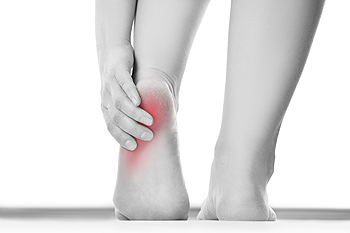
Heel pain is usually an overuse injury. One common source of heel pain is plantar fasciitis which occurs when the plantar fascia, the tissue connecting the heel to the bottom of the foot, becomes inflamed. Another source of heel pain is Achilles tendonitis, and this is the inflammation of the Achilles tendon. Heel spurs, which are a bony growth at the bottom of the heel, are also common sources of heel pain. Other factors that can lead to heel pain include stress fractures, tarsal tunnel syndrome, wear and tear of the heel pad, and heel bursitis. If you are suffering from any type of heel pain, it is important to consult with a podiatrist for a proper diagnosis and treatment plan.

Many people suffer from bouts of heel pain. For more information, contact one of our podiatrists of Advanced Foot & Ankle Medical Center . Our doctors can provide the care you need to keep you pain-free and on your feet.

Causes of Heel Pain

Heel pain is often associated with plantar fasciitis. The plantar fascia is a band of tissues that extends along the bottom of the foot. A rip or tear in this ligament can cause inflammation of the tissue.

Achilles tendonitis is another cause of heel pain. Inflammation of the Achilles tendon will cause pain from fractures and muscle tearing. Lack of flexibility is also another symptom.

Heel spurs are another cause of pain. When the tissues of the plantar fascia undergo a great deal of stress, it can lead to ligament separation from the heel bone, causing heel spurs.

Why Might Heel Pain Occur?

  • Wearing ill-fitting shoes                  
  • Wearing non-supportive shoes
  • Weight change           
  • Excessive running

Treatments

Heel pain should be treated as soon as possible for immediate results. Keeping your feet in a stress-free environment will help. If you suffer from Achilles tendonitis or plantar fasciitis, applying ice will reduce the swelling. Stretching before an exercise like running will help the muscles. Using all these tips will help make heel pain a condition of the past.

If you have any questions please contact our office located in Thousand Oaks, CA . We offer the newest diagnostic and treatment technologies for all your foot and ankle needs.

Read more about Heel Pain

Do Your Child's Feet Hurt?

Have your child's feet been examined lately? Healthy feet are happy feet. If your child is complaining of foot pain, it may be a sign of underlying problems.

All About Ingrown Toenails

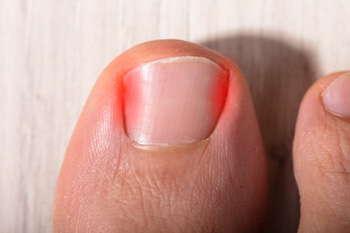
An ingrown toenail is a condition that occurs when the edges of the toenail grow into the skin. This can be quite painful, resulting in inflammation, redness, tenderness, and swelling of the skin around the ingrown nail. It most commonly affects the nails of the big toes. There are multiple causes for ingrown toenails, including wearing shoes that are too tight, improperly trimming the toenail, and injury to the toe. Some people have an increased risk for developing recurrent ingrown toenails that may be genetic. While ingrown toenails can sometimes be treated at home, in other cases, medical intervention may be required. If you are afflicted with a painful ingrown toenail, it is recommended that you see a podiatrist who can examine the affected nail and prescribe appropriate treatments.

Ingrown toenails can become painful if they are not treated properly. For more information about ingrown toenails, contact one of our podiatrists of Advanced Foot & Ankle Medical Center . Our doctors can provide the care you need to keep you pain-free and on your feet.

Ingrown Toenails

Ingrown toenails occur when a toenail grows sideways into the bed of the nail, causing pain, swelling, and possibly infection.

Causes

  • Bacterial infections
  • Improper nail cutting such as cutting it too short or not straight across
  • Trauma to the toe, such as stubbing, which causes the nail to grow back irregularly
  • Ill-fitting shoes that bunch the toes too close together
  • Genetic predisposition

Prevention

Because ingrown toenails are not something found outside of shoe-wearing cultures, going barefoot as often as possible will decrease the likeliness of developing ingrown toenails. Wearing proper fitting shoes and using proper cutting techniques will also help decrease your risk of developing ingrown toenails.

Treatment

Ingrown toenails are a very treatable foot condition. In minor cases, soaking the affected area in salt or antibacterial soaps will not only help with the ingrown nail itself, but also help prevent any infections from occurring. In more severe cases, surgery is an option. In either case, speaking to your podiatrist about this condition will help you get a better understanding of specific treatment options that are right for you.

If you have any questions please feel free to contact our office located in Thousand Oaks, CA . We offer the newest diagnostic and treatment technologies for all your foot and ankle needs.

Read more about Ingrown Toenails

Possible Foot Conditions That May Result From Wearing High Heels

The potential dangers of frequently wearing high heels may outweigh the appeal of the attractiveness these types of shoes can possess. There are uncomfortable foot conditions that can develop as a  result of wearing high heels, consisting of bunions, hammertoes, and corns. Many of these ailments may be prevented by choosing shoes that fit correctly, and the feet may feel better when the toes are exposed. It is beneficial to treat existing blisters with a protective covering as high heels are worn, and it may help to wear flatter shoes as the healing process occurs. If you would like additional information about how wearing high heels can affect your feet, it is suggested that you consult with a podiatrist.

High heels have a history of causing foot and ankle problems. If you have any concerns about your feet or ankles, contact one of our podiatrists from Advanced Foot & Ankle Medical Center . Our doctors can provide the care you need to keep you pain-free and on your feet.

Effects of High Heels on the Feet

High heels are popular shoes among women because of their many styles and societal appeal.  Despite this, high heels can still cause many health problems if worn too frequently.

Which Parts of My Body Will Be Affected by High Heels?

  • Ankle Joints
  • Achilles Tendon – May shorten and stiffen with prolonged wear
  • Balls of the Feet
  • Knees – Heels cause the knees to bend constantly, creating stress on them
  • Back – They decrease the spine’s ability to absorb shock, which may lead to back pain.  The vertebrae of the lower back may compress.

What Kinds of Foot Problems Can Develop from Wearing High Heels?

  • Corns
  • Calluses
  • Hammertoe
  • Bunions
  • Morton’s Neuroma
  • Plantar Fasciitis

How Can I Still Wear High Heels and Maintain Foot Health?

If you want to wear high heeled shoes, make sure that you are not wearing them every day, as this will help prevent long term physical problems.  Try wearing thicker heels as opposed to stilettos to distribute weight more evenly across the feet.  Always make sure you are wearing the proper shoes for the right occasion, such as sneakers for exercising.  If you walk to work, try carrying your heels with you and changing into them once you arrive at work.  Adding inserts to your heels can help cushion your feet and absorb shock. Full foot inserts or metatarsal pads are available. 

If you have any questions please feel free to contact our office located in Thousand Oaks, CA . We offer the newest diagnostic and treatment technologies for all your foot and ankle needs.

Read more about Effect of High Heels on the Feet

Types of Arthritis in the Feet

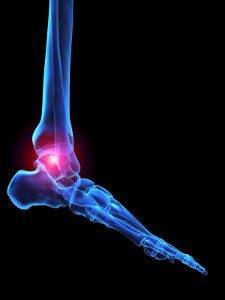
Patients who have inflammation in the joints of their feet may be experiencing a certain type of arthritis. Osteoarthritis can make it difficult to move the feet, and may be accompanied by stiffness and pain. This can be caused by a loss of cartilage, and the affected joints may change shape and become swollen. Rheumatoid arthritis can occur when the immune system attacks the joints, and may affect the feet, in addition to other parts of the body. The feet can become weak, and it may be challenging to perform daily activities. If you would like more information on how arthritis can affect the feet, it is suggested that you consult with a podiatrist who can provide you with the proper information.

Arthritis can be a difficult condition to live with. If you are seeking treatment, contact one of our podiatrists from Advanced Foot & Ankle Medical Center . Our doctors can provide the care you need to keep you pain-free and on your feet.

Arthritic Foot Care  

Arthritis is a term that is commonly used to describe joint pain.  The condition itself can occur to anyone of any age, race, or gender, and there are over 100 types of it.  Nevertheless, arthritis is more commonly found in women compared to men, and it is also more prevalent in those who are overweight. The causes of arthritis vary depending on which type of arthritis you have. Osteoarthritis for example, is often caused by injury, while rheumatoid arthritis is caused by a misdirected immune system.

Symptoms

  • Swelling
  • Pain
  • Stiffness
  • Decreased Range of Motion

Arthritic symptoms range in severity, and they may come and go. Some symptoms stay the same for several years but could potentially get worse with time. Severe cases of arthritis can prevent its sufferers from performing daily activities and make walking difficult.

Risk Factors

  • Occupation – Occupations requiring repetitive knee movements have been linked to osteoarthritis
  • Obesity – Excess weight can contribute to osteoarthritis development
  • Infection – Microbial agents can infect the joints and trigger arthritis
  • Joint Injuries – Damage to joints may lead to osteoarthritis
  • Age – Risk increases with age
  • Gender –Most types are more common in women
  • Genetics – Arthritis can be hereditary

If you suspect your arthritis is affecting your feet, it is crucial that you see a podiatrist immediately. Your doctor will be able to address your specific case and help you decide which treatment method is best for you.

If you have any questions, please feel free to contact our office located in Thousand Oaks, CA . We offer the newest diagnostic and treatment technologies for all your foot care needs.
Read more about How to Care for Your Arthritic Foot

Possible Causes and Types of Foot Pain

The feet are considered to be the foundation of the body, and can endure numerous aches and pains as a result of bearing the weight of the body. A common type of foot pain comes from developing a condition known as plantar fasciitis. This ailment affects the plantar fascia, which is the band of tissue that connects the heel to the toes. The discomfort is often felt in the heel and may feel its worst upon arising in the morning. Additionally, heel pain can be associated with a heel spur. This is described as a small growth that extends from the heel, and can develop due to repetitive stress that can come from frequently participating in running and jumping activities. A stress fracture is a hairline crack in one of the bones in the foot and can cause severe pain and discomfort. This type of foot injury gradually develops. Common symptoms may include a stabbing pain and general discomfort in the part of the foot that is affected. If you have any type of foot pain it is strongly suggested that you consult with a podiatrist as soon as possible. A podiatrist can properly diagnose your condition and offer you the best treatment options.

Foot Pain

Foot pain can be extremely painful and debilitating. If you have a foot pain, consult with one of our podiatrists from Advanced Foot & Ankle Medical Center . Our doctors will assess your condition and provide you with quality foot and ankle treatment.

Causes

Foot pain is a very broad condition that could be caused by one or more ailments. The most common include:

  • Bunions
  • Hammertoes
  • Plantar Fasciitis
  • Bone Spurs
  • Corns
  • Tarsal Tunnel Syndrome
  • Ingrown Toenails
  • Arthritis (such as Gout, Rheumatoid, and Osteoarthritis)
  • Flat Feet
  • Injury (from stress fractures, broken toe, foot, ankle, Achilles tendon ruptures, and sprains)
  • And more

Diagnosis

To figure out the cause of foot pain, podiatrists utilize several different methods. This can range from simple visual inspections and sensation tests to X-rays and MRI scans. Prior medical history, family medical history, and any recent physical traumatic events will all be taken into consideration for a proper diagnosis.

Treatment

Treatment depends upon the cause of the foot pain. Whether it is resting, staying off the foot, or having surgery; podiatrists have a number of treatment options available for foot pain.

If you have any questions, please feel free to contact our office located in Thousand Oaks, CA . We offer the newest diagnostic and treatment technologies for all your foot care needs.

Read more about Foot Pain

Wounds That Don't Heal Need to Be Checked

Your feet are covered most of the day. If you're diabetic, periodic screening is important for good health. Numbness is often a sign of diabetic foot and can mask a sore or wound.

Connect With Us

scroll-to-top