Blog

Why Older Adults Need to Take Care Of Their Feet

Foot conditions in older adults are quite common. Poor foot health increases an elderly person’s risk of falling and can negatively affect their quality of life. The foot conditions that affect senior citizens can be caused by degradations in foot and ankle skin and structure, poor circulation, systemic disorders, and more. Regular foot care is very important for the elderly person, and if they are unable to properly attend to their own feet, a caretaker or loved one should do it. Feet should be kept clean and checked regularly to spot any changes. An older person should never be barefoot, their toenails should be trimmed regularly, and their socks should keep moisture away from their skin and not be too tight around the ankles. Feet should be measured every time they purchase shoes to ensure proper fit and account for feet spreading and changing with age. Shoes should offer support in the heel and arch and high heels should be avoided. Additionally, getting their feet examined by a podiatrist would be beneficial to address any foot pain they may be experiencing, and to also be fitted with custom orthotics to help correct alignment and stride issues to improve stability and comfort.

Proper foot care is something many older adults forget to consider. If you have any concerns about your feet and ankles, contact one of our podiatrists from Advanced Foot & Ankle Medical Center . Our doctors can provide the care you need to keep you pain-free and on your feet.

The Elderly and Their Feet

As we age we start to notice many changes in our body, but the elder population may not notice them right away. Medical conditions may prevent the elderly to take notice of their foot health right away. Poor vision is a lead contributor to not taking action for the elderly.

Common Conditions 

  • Neuropathy – can reduce feeling in the feet and can hide many life-threatening medical conditions.
  • Reduced flexibility – prevents the ability of proper toenail trimming, and foot cleaning. If left untreated, it may lead to further medical issues.
  • Foot sores – amongst the older population can be serious before they are discovered. Some of the problematic conditions they may face are:
  • Gouging toenails affecting nearby toe
  • Shoes that don’t fit properly
  • Pressure sores
  • Loss of circulation in legs & feet
  • Edema & swelling of feet and ankles

Susceptible Infections

Diabetes and poor circulation can cause general loss of sensitivity over the years, turning a simple cut into a serious issue.

If you have any questions please feel free to contact our office located in Thousand Oaks, CA . We offer the newest diagnostic and treatment technologies for all your foot and ankle needs.


Read more about Elderly and their Feet

Do You Suffer From Painful Feet?

Painful deformities, such as hammertoes, can be treated. Stop living with foot pain, and have beautiful feet again!

Pregnancy and Foot Changes

Did you know that pregnancy can change the structure of your feet? These changes may be temporary, lasting for the duration of the pregnancy, or they may be permanent. During pregnancy, added weight puts stress on the joints of the feet and hormonal changes cause the ligaments in the feet to relax. Over time, this can lead to the arches of the feet collapsing, thereby causing flat feet. Flat feet may result in discomfort and foot pain, change the way that you walk, and increase your shoe size, necessitating footwear modifications and changes in the ways that you care for your feet. If you have acquired flat feet over the course of your pregnancy, it is suggested that you seek the care of a podiatrist who can help you maintain good foot health.

Pregnant women with swollen feet can be treated with a variety of different methods that are readily available. For more information about other cures for swollen feet during pregnancy, consult with one of our podiatrists from Advanced Foot & Ankle Medical Center . Our doctors will attend to all of your foot and ankle needs.

What Foot Problems Can Arise During Pregnancy?

One problem that can occur is overpronation, which occurs when the arch of the foot flattens and tends to roll inward.  This can cause pain and discomfort in your heels while you’re walking or even just standing up, trying to support your baby.  

Another problem is edema, or swelling in the extremities. This often affects the feet during pregnancy but tends to occur in the later stages. 

How Can I Keep My Feet Healthy During Pregnancy?

  • Wearing orthotics can provide extra support for the feet and help distribute weight evenly
  • Minimize the amount of time spent walking barefoot
  • Wear shoes with good arch support
  • Wear shoes that allow for good circulation to the feet
  • Elevate feet if you experience swelling
  • Massage your feet
  • Get regular, light exercise, such as walking, to promote blood circulation to the feet

If you have any questions please feel free to contact our office located in Thousand Oaks, CA . We offer the newest diagnostic and treatment technologies for all your foot and ankle needs.
Read more about Foot Care for Pregnant Women

What to Do if You Have a Foot Blister

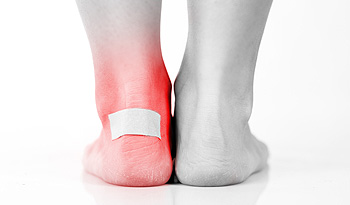
Blisters on the feet are a common occurrence. They are usually the result of friction from your shoes rubbing against a specific area of skin. A blister forms as a natural protective measure to shield raw skin under a bubble of liquid. If you find a friction blister on your foot, cover it with a soft or padded bandage or dressing. Do not pop the blister, as this will expose the raw skin underneath it to dirt and bacteria and may lead to an infection. If the blister pops naturally, wash your hands prior to touching the blister. Allow the fluid to drain and then cover the area with a bandage. Blisters usually heal on their own, without medical intervention. However, if you have a particularly painful blister, the blister is showing signs of infection, or you have recurring blisters on your feet, please seek the care of a podiatrist. 

Blisters are prone to making everyday activities extremely uncomfortable. If your feet are hurting, contact one of our podiatrists of Advanced Foot & Ankle Medical Center . Our doctors can provide the care you need to keep you pain-free and on your feet.

Foot Blisters

Foot blisters develop as a result of constantly wearing tight or ill-fitting footwear. This happens due to the constant rubbing from the shoe, which can often lead to pain.

What Are Foot Blisters?

A foot blister is a small fluid-filled pocket that forms on the upper-most layer of the skin. Blisters are filled with clear fluid and can lead to blood drainage or pus if the area becomes infected.

How Do Blisters Form?

Blisters on the feet are often the result of constant friction of skin and material, usually by shoe rubbing. Walking in sandals, boots, or shoes that don’t fit properly for long periods of time can result in a blister. Having consistent foot moisture and humidity can easily lead to blister formation.

Prevention & Treatment

It is important to properly care for the affected area in order to prevent infection and ease the pain. Do not lance the blister and use a Band-Aid to provide pain relief. Also, be sure to keep your feet dry and wear proper fitting shoes. If you see blood or pus in a blister, seek assistance from a podiatrist.

If you have any questions, please feel free to contact our office located in Thousand Oaks, CA . We offer the newest diagnostic and treatment technologies for all your foot care needs.

Read more about Blisters on the Feet

Is It a Corn, or a Callus?

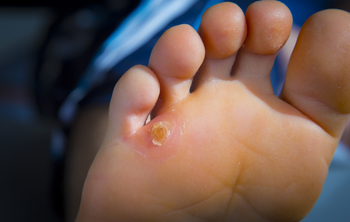
Corns and calluses are similar in that they are both patches of dry skin that can appear on the feet in response to friction. Corns are small lumps of hardened skin that resemble a corn kernel in appearance. They often form on the soles of the feet or in between the toes and can be yellowish in color. Calluses are larger patches of rough, thick skin that often appear on the balls or heels of the feet. While both corns and calluses can usually be treated with conservative methods such as wearing wider, more comfortable shoes, moisturizing the skin, and wearing thicker, cushioned socks, certain cases may require medical intervention. If you have diabetes, circulatory problems, notice signs of infection such as bleeding or pus discharge, or are in severe pain, please seek the care of a podiatrist.

If you have any concerns regarding your feet and ankles, contact one of our podiatrists of Advanced Foot & Ankle Medical Center . Our doctors will treat your foot and ankle needs.

Corns: What Are They? and How Do You Get Rid of Them?
Corns can be described as areas of the skin that have thickened to the point of becoming painful or irritating. They are often layers and layers of the skin that have become dry and rough, and are normally smaller than calluses.

Ways to Prevent Corns
There are many ways to get rid of painful corns such as wearing:

  • Well-fitting socks
  • Comfortable shoes that are not tight around your foot
  • Shoes that offer support

Treating Corns
Treatment of corns involves removing the dead skin that has built up in the specific area of the foot. Consult with Our doctors to determine the best treatment option for your case of corns.

If you have any questions please feel free to contact our office located in Thousand Oaks, CA . We offer the newest diagnostic and treatment technologies for all your foot and ankle needs.
Read more about Everything You Need to Know About Corns

Debunking Myths About Orthotics

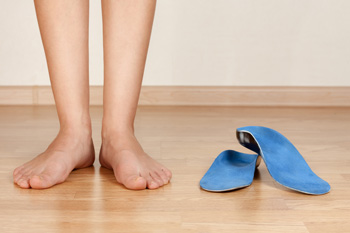
Orthotics are inserts that can be placed within shoes for many different reasons. They are designed to treat, manage, or prevent a variety of foot problems from plantar fasciitis to flat foot pain. There are multiple myths surrounding the use of orthotics. Some believe that wearing orthotics can weaken the feet. This is not the case, as orthotics are used to support and return normal function to the feet. It is more likely that not wearing orthotics and continuing to suffer with an injury or biomechanical deficit can damage the feet. Orthotics are often thought of as only being necessary for elderly patients or athletes. While both elderly individuals and athletes can certainly benefit from orthotics, these inserts are worn by people of all ages and abilities. To learn more about orthotics and to determine if they may be right for you, please consult with a podiatrist. 

If you are having discomfort in your feet and would like to try orthotics, contact one of our podiatrists from Advanced Foot & Ankle Medical Center . Our doctors can provide the care you need to keep you pain-free and on your feet.

What Are Orthotics?

Orthotics are inserts you can place into your shoes to help with a variety of foot problems such as flat feet or foot pain. Orthotics provide relief and comfort for minor foot and heel pain but can’t correct serious biomechanical problems in your feet.

Over-the-Counter Inserts

Orthotics come in a wide variety of over-the-counter inserts that are used to treat foot pain, heel pain, and minor problems. For example, arch supports can be inserted into your shoes to help correct overarched or flat feet, while gel insoles are often used because they provide comfort and relief from foot and heel pain by alleviating pressure.

Prescription Orthotics

If over-the-counter inserts don’t work for you or if you have a more severe foot concern, it is possible to have your podiatrist prescribe custom orthotics. These high-quality inserts are designed to treat problems such as abnormal motion, plantar fasciitis, and severe forms of heel pain. They can even be used to help patients suffering from diabetes by treating foot ulcers and painful calluses and are usually molded to your feet individually, which allows them to provide full support and comfort.

If you are experiencing minor to severe foot or heel pain, it’s recommended to speak with your podiatrist about the possibilities of using orthotics. A podiatrist can determine which type of orthotic is right for you and allow you to take the first steps towards being pain-free.

If you have any questions please contact our office located in Thousand Oaks, CA . We offer the newest diagnostic and treatment technologies for all your foot and ankle needs.

Read more about Foot Orthotics

How to Deal With an Ingrown Toenail 

Ingrown toenails (when the nail grows into the surrounding skin) are a very common malady that podiatrists treat, as oftentimes the toenail becomes very painful, inflamed, or even infected. You can help prevent ingrown toenails from developing by avoiding shoes that are too tight and trimming your nails straight across—and not too short. There are a couple of home remedies you can try to get relief from an ingrown toenail, such as soaking the toe in warm water mixed with either Epsom salts, apple cider vinegar, or a mild soap. Also, try applying an antibiotic cream to the nail several times a day and keeping it wrapped in a bandage to help reduce the chances of an infection developing. Wear comfortable, non-restrictive shoes that give the toes plenty of room. You can even try using an over-the-counter toe protector, which is a padded ring that cushions the toe and prevents it from rubbing against other toes or footwear. If your ingrown toenail becomes a chronic issue, the pain worsens, or you see signs of an infection, contact a podiatrist for more advanced treatment options.

Ingrown toenails may initially present themselves as a minor discomfort, but they may progress into an infection in the skin without proper treatment. For more information about ingrown toenails, contact one of our podiatrists of Advanced Foot & Ankle Medical Center . Our doctors can provide the care you need to keep you pain-free and on your feet.

Ingrown Toenails

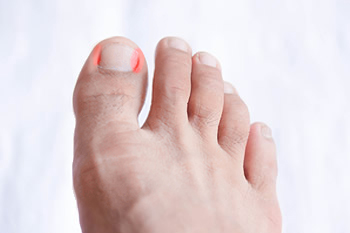
Ingrown toenails are caused when the corner or side of a toenail grows into the soft flesh surrounding it. They often result in redness, swelling, pain, and in some cases, infection. This condition typically affects the big toe and may recur if it is not treated properly.

Causes

  • Improper toenail trimming
  • Genetics
  • Improper shoe fitting
  • Injury from pedicures or nail picking
  • Abnormal gait
  • Poor hygiene

You are more likely to develop an ingrown toenail if you are obese, have diabetes, arthritis, or have any fungal infection in your nails. Additionally, people who have foot or toe deformities are at a higher risk of developing an ingrown toenail.

Symptoms

Some symptoms of ingrown toenails are redness, swelling, and pain. In rare cases, there may be a yellowish drainage coming from the nail.

Treatment

Ignoring an ingrown toenail can have serious complications. Infections of the nail border can progress to a deeper soft-tissue infection, which can then turn into a bone infection. You should always speak with your podiatrist if you suspect you have an ingrown toenail, especially if you have diabetes or poor circulation.

If you have any questions, please feel free to contact our office located in Thousand Oaks, CA . We offer the newest diagnostic and treatment technologies for all your foot care needs.

Read more about Ingrown Toenails

Plantar Warts Can Be Treated!

Plantar warts are small growths that develop on parts of the feet that bear weight. They're typically found on the bottom of the foot. Don't live with plantar warts, and call us today!

How to Tell if You Have Athlete’s Foot

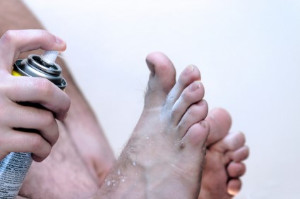
Athlete’s foot is a fungal infection caused by fungi that thrive and grow in warm and moist environments such as showers, locker rooms, and pools. Because Athlete’s foot is very contagious, it can even spread from towels, floors, or clothing. Athlete’s foot presents itself as a red, scaly rash between the toes. The infection will become itchy and form blisters, and the skin will become cracked and peel. As the infection spreads to the toenails, they will become thick and discolored as well. If left untreated, the infection can spread to the entire foot and even to the hands. Because of how contagious it is, it is important to keep the feet dry and to not share any personal items such as socks, shoes, or towels. If you notice the signs of Athlete’s foot, visiting a podiatrist is suggested.

Athlete’s Foot

Athlete’s foot is often an uncomfortable condition to experience. Thankfully, podiatrists specialize in treating athlete’s foot and offer the best treatment options. If you have any questions about athlete’s foot, consult with one of our podiatrists from Advanced Foot & Ankle Medical Center . Our doctors will assess your condition and provide you with quality treatment.

What Is Athlete’s Foot?

Tinea pedis, more commonly known as athlete’s foot, is a non-serious and common fungal infection of the foot. Athlete’s foot is contagious and can be contracted by touching someone who has it or infected surfaces. The most common places contaminated by it are public showers, locker rooms, and swimming pools. Once contracted, it grows on feet that are left inside moist, dark, and warm shoes and socks.

Prevention

The most effective ways to prevent athlete’s foot include:

  • Thoroughly washing and drying feet
  • Avoid going barefoot in locker rooms and public showers
  • Using shower shoes in public showers
  • Wearing socks that allow the feet to breathe
  • Changing socks and shoes frequently if you sweat a lot

Symptoms

Athlete’s foot initially occurs as a rash between the toes. However, if left undiagnosed, it can spread to the sides and bottom of the feet, toenails, and if touched by hand, the hands themselves. Symptoms include:

  • Redness
  • Burning
  • Itching
  • Scaly and peeling skin

Diagnosis and Treatment

Diagnosis is quick and easy. Skin samples will be taken and either viewed under a microscope or sent to a lab for testing. Sometimes, a podiatrist can diagnose it based on simply looking at it. Once confirmed, treatment options include oral and topical antifungal medications.

If you have any questions, please feel free to contact our office located in Thousand Oaks, CA . We offer the newest diagnostic and treatment technologies for all your foot care needs.


Read more about Athlete’s Foot

A Stabbing Heel Pain

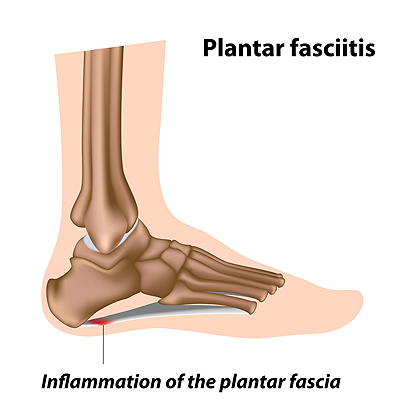
The plantar fascia is a ligament that runs along the bottom of the foot and connects the heel bone to the toes. Plantar fasciitis is a condition in which the plantar fascia becomes inflamed, often due to repetitive overuse. When the plantar fascia is injured, it causes heel pain. The pain is often described as “stabbing pain” and is usually worse when taking the first few steps following a period of rest, such as when you first wake up and step out of bed in the morning. Treatments for this condition are typically conservative and involve stretching the feet, wearing orthotics, and rest. If you have heel pain, it is suggested that you seek the care of a podiatrist. 

Plantar fasciitis can be very painful and inconvenient. If you are experiencing heel pain or symptoms of plantar fasciitis, contact one of our podiatrists  from Advanced Foot & Ankle Medical Center . Our doctors can provide the care you need to keep you pain-free and on your feet.

What Is Plantar Fasciitis?

Plantar fasciitis is the inflammation of the thick band of tissue that runs along the bottom of your foot, known as the plantar fascia, and causes mild to severe heel pain.

What Causes Plantar Fasciitis?

  • Excessive running
  • Non-supportive shoes
  • Overpronation
  • Repeated stretching and tearing of the plantar fascia

How Can It Be Treated?

  • Conservative measures – anti-inflammatories, ice packs, stretching exercises, physical therapy, orthotic devices
  • Shockwave therapy – sound waves are sent to the affected area to facilitate healing and are usually used for chronic cases of plantar fasciitis
  • Surgery – usually only used as a last resort when all else fails. The plantar fascia can be surgically detached from the heel

While very treatable, plantar fasciitis is definitely not something that should be ignored. Especially in severe cases, speaking to your doctor right away is highly recommended to avoid complications and severe heel pain. Your podiatrist can work with you to provide the appropriate treatment options tailored to your condition.

If you have any questions please feel free to contact our office located in Thousand Oaks, CA . We offer the newest diagnostic and treatment technologies for all your foot and ankle needs.

Read more about Plantar Fasciitis

Connect With Us

scroll-to-top