Blog

Blisters That Can Form on the Feet

The feet are a common area for blisters to form, and there are various types of blisters that can develop. Friction blisters are considered to be the most common, and they appear as a small bubble that forms on top of the damaged skin. It is the body’s natural way of protecting the raw skin, and they will gradually drain when new skin has formed. A blood blister is filled with bloody fluid and is generally dark red or purple. This type of blister may develop after the skin has been severely pinched. Blisters typically result from wearing shoes and socks that do not fit correctly. To avoid further damaging the skin, and irritating the blister, it can be beneficial to shield it with a protective covering, which may also help to prevent premature draining. If you frequently develops blisters on their feet, please consult with a podiatrist who can offer you proper preventive techniques.

Blisters may appear as a single bubble or in a cluster. They can cause a lot of pain and may be filled with pus, blood, or watery serum. If your feet are hurting, contact one of our podiatrists of Advanced Foot & Ankle Medical Center . Our doctors can provide the care you need to keep you pain-free and on your feet.

Foot Blisters

Foot blisters are often the result of friction. This happens due to the constant rubbing from shoes, which can lead to pain.

What Are Foot Blisters?

A foot blister is a small fluid-filled pocket that forms on the upper-most layer of the skin. Blisters are filled with clear fluid and can lead to blood drainage or pus if the area becomes infected.

Symptoms

(Blister symptoms may vary depending on what is causing them)

  • Bubble of skin filled with fluid
  • Redness
  • Moderate to severe pain
  • Itching

Prevention & Treatment

In order to prevent blisters, you should be sure to wear comfortable shoes with socks that cushion your feet and absorb sweat. Breaking a blister open may increase your chances of developing an infection. However, if your blister breaks, you should wash the area with soap and water immediately and then apply a bandage to the affected area. If your blisters cause severe pain it is important that you call your podiatrist right away.

If you have any questions, please feel free to contact our office located in Thousand Oaks, CA . We offer the newest diagnostic and treatment technologies for all your foot care needs.

Read more about Blisters

Heel Pain Can Be Treated!

Do you suffer from heel pain when you get up in the morning? If so, you should seek the professional help of your podiatrist and have a proper diagnosis performed. Heel pain can be caused by several different foot-related conditions.

Cuboid Syndrome and Possible Causes

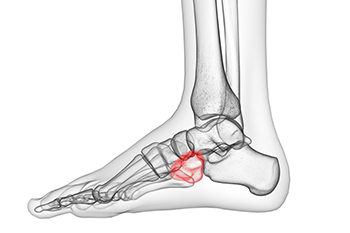
The cuboid bone is one of seven tarsal bones that is found in each foot. Cuboid syndrome is a condition that is a result of an injury that has happened to the joints and ligaments that surround this bone. The pain and discomfort that is associated with this ailment occurs in the middle of the foot, and possibly at the bottom of the fourth and fifth toes. This can develop gradually from overuse, or from a sudden injury. Some patients experience specific symptoms with Cuboid syndrome, including difficulty in walking, swelling, and there may be a reduced range of motion. Research has indicated that dancers and athletes may be prone to enduring this condition, and this can be a result of the intensity of their chosen sport. If you have pain in the middle of the foot, it may be linked to Cuboid syndrome, and it is strongly advised that you are under the care of a podiatrist who can offer you correct treatment options.

Cuboid syndrome, also known as cuboid subluxation, occurs when the joints and ligaments near the cuboid bone in the foot become torn. If you have cuboid syndrome, consult with one of our podiatrists from Advanced Foot & Ankle Medical Center . Our doctors will assess your condition and provide you with quality foot and ankle treatment.

Cuboid syndrome is a common cause of lateral foot pain, which is pain on the outside of the foot. The condition may happen suddenly due to an ankle sprain, or it may develop slowly overtime from repetitive tension through the bone and surrounding structures.

Causes

The most common causes of cuboid syndrome include:

  • Injury – The most common cause of this ailment is an ankle sprain.
  • Repetitive Strain – Tension placed through the peroneus longus muscle from repetitive activities such as jumping and running may cause excessive traction on the bone causing it to sublux.
  • Altered Foot Biomechanics – Most people suffering from cuboid subluxation have flat feet.

Symptoms

A common symptom of cuboid syndrome is pain along the outside of the foot which can be felt in the ankle and toes. This pain may create walking difficulties and may cause those with the condition to walk with a limp.

Diagnosis

Diagnosis of cuboid syndrome is often difficult, and it is often misdiagnosed. X-rays, MRIs and CT scans often fail to properly show the cuboid subluxation. Although there isn’t a specific test used to diagnose cuboid syndrome, your podiatrist will usually check if pain is felt while pressing firmly on the cuboid bone of your foot.

Treatment

Just as the range of causes varies widely, so do treatments. Some more common treatments are ice therapy, rest, exercise, taping, and orthotics.

If you have any questions, please feel free to contact our office located in Thousand Oaks, CA . We offer the newest diagnostic and treatment technologies for all your foot care needs.

 

Read more about Cuboid Syndrome

What Does a Foot Wart Look Like?

Plantar warts are fleshy growths that can appear on the soles of the feet. They are caused by a strain of the human papillomavirus (HPV). Unlike warts that affect other parts of the body, plantar warts are typically flat and cause a buildup of the top layer of skin. These warts may grow inward as the body’s weight puts pressure on the soles of the feet, causing pain. Plantar warts can appear as a single wart or a constellation of multiple warts. They have a rough, grainy texture and small block dots in the middle. Plantar warts are contagious and can spread between individuals. Fortunately, there are a variety of treatments available. If you find a wart on the bottom of your foot, a podiatrist can help find the right treatment for you. 

Plantar warts can be very uncomfortable. If you need your feet checked, contact one of our podiatrists from Advanced Foot & Ankle Medical Center . Our doctors will assist you with all of your foot and ankle needs.

About Plantar Warts

Plantar warts are the result of HPV, or human papillomavirus, getting into open wounds on the feet. They are mostly found on the heels or balls of the feet.

While plantar warts are generally harmless, those experiencing excessive pain or those suffering from diabetes or a compromised immune system require immediate medical care. Plantar warts are easily diagnosed, usually through scraping off a bit of rough skin or by getting a biopsy.

Symptoms

  • Lesions on the bottom of your feet, usually rough and grainy
  • Hard or thick callused spots
  • Wart seeds, which are small clotted blood vessels that look like little black spots
  • Pain, discomfort, or tenderness of your feet when walking or standing

Treatment

  • Freezing
  • Electric tool removal
  • Laser Treatment
  • Topical Creams (prescription only)
  • Over-the-counter medications

To help prevent developing plantar warts, avoid walking barefoot over abrasive surfaces that can cause cuts or wounds for HPV to get into. Avoiding direct contact with other warts, as well as not picking or rubbing existing warts, can help prevent the further spread of plantar warts. However, if you think you have developed plantar warts, speak to your podiatrist. He or she can diagnose the warts on your feet and recommend the appropriate treatment options.

If you have any questions please feel free to contact our office located in Thousand Oaks, CA . We offer the newest diagnostic and treatment technologies for all your foot and ankle needs.

Read more about All About Plantar Warts

Common Causes of Plantar Fasciitis

The connective tissue running along the bottom of the foot between the heel and toes is called the plantar fascia. When this tissue becomes overly stressed, torn, or otherwise damaged, it can become inflamed, irritated, and painful. This is called plantar fasciitis. Some causes of plantar fasciitis include high-intensity sports or physical activities, wearing tight shoes, going barefoot, being obese, working on your feet all day, having either high arches or flat feet, and aging. Because this condition is so common, podiatrists have a variety of therapies and methods of treatment to help heal and ease the pain of plantar fasciitis.

Plantar fasciitis is a common foot condition that is often caused by a strain injury. If you are experiencing heel pain or symptoms of plantar fasciitis, contact one of our podiatrists from Advanced Foot & Ankle Medical Center . Our doctors can provide the care you need to keep you pain-free and on your feet.

What Is Plantar Fasciitis?

Plantar fasciitis is one of the most common causes of heel pain. The plantar fascia is a ligament that connects your heel to the front of your foot. When this ligament becomes inflamed, plantar fasciitis is the result. If you have plantar fasciitis you will have a stabbing pain that usually occurs with your first steps in the morning. As the day progresses and you walk around more, this pain will start to disappear, but it will return after long periods of standing or sitting.

What Causes Plantar Fasciitis?

  • Excessive running
  • Having high arches in your feet
  • Other foot issues such as flat feet
  • Pregnancy (due to the sudden weight gain)
  • Being on your feet very often

There are some risk factors that may make you more likely to develop plantar fasciitis compared to others. The condition most commonly affects adults between the ages of 40 and 60. It also tends to affect people who are obese because the extra pounds result in extra stress being placed on the plantar fascia.

Prevention

  • Take good care of your feet – Wear shoes that have good arch support and heel cushioning.
  • Maintain a healthy weight
  • If you are a runner, alternate running with other sports that won’t cause heel pain

There are a variety of treatment options available for plantar fasciitis along with the pain that accompanies it. Additionally, physical therapy is a very important component in the treatment process. It is important that you meet with your podiatrist to determine which treatment option is best for you.

If you have any questions, please feel free to contact our office located in Thousand Oaks, CA . We offer the newest diagnostic and treatment technologies for all your foot care needs.

 

Read more about Plantar Fasciitis

Understanding a “Lisfranc Injury"

What is known as the Lisfranc joint complex is made up of the five metatarsal bones, as well as the tendons and ligaments which connect the midfoot to the forefoot. A “Lisfranc Injury” occurs when these ligaments or tendons become sprained or the metatarsal bones fracture. A Lisfranc injury can result from trauma from a direct force or a quick rotation in the midfoot area. Because of this, athletes such as baseball or football players are at the highest risk for developing this injury. A majority of Lisfranc injuries do require surgery to realign the joints and allow the bones to heal correctly. Recovery from this surgery usually takes around 6 months. Because of the extent of the injury, athletes who have injured their foot should consult with a podiatrist to ensure a proper diagnosis and treatment.

Ankle and foot injuries are common among athletes and in many sports. They can be caused by several problems and may be potentially serious. If you are feeling pain or think you were injured in a sporting event or when exercising, consult with one of our podiatrists from Advanced Foot & Ankle Medical Center . Our doctors will assess your condition and provide you with quality foot and ankle treatment.

Common Injuries

The most common injuries that occur in sporting activities include:

  • Achilles Tendonitis
  • Achilles Tendon Rupture
  • Ankle Sprains
  • Broken Foot
  • Plantar Fasciitis
  • Stress Fractures
  • Turf Toe

Symptoms

Symptoms vary depending upon the injury and in some cases, there may be no symptoms at all. However, in most cases, some form of symptom is experienced. Pain, aching, burning, bruising, tenderness, tightness or stiffness, sensation loss, difficulty moving, and swelling are the most common symptoms.

Treatment

Just as symptoms vary depending upon the injury, so do treatment options. A common treatment method is known as the RICE method. This method involves rest, applying ice, compression and elevating the afflicted foot or ankle. If the injury appears to be more serious, surgery might be required, such as arthroscopic or reconstructive surgery. Lastly, rehabilitation or therapy might be needed to gain full functionality in the afflicted area. Any discomfort experienced by an athlete must be evaluated by a licensed, reputable medical professional.  

If you have any questions, please feel free to contact our office located in Thousand Oaks, CA . We offer the newest diagnostic and treatment technologies for all your foot care needs.

Read more about Sports Related Foot and Ankle Injuries

Reminder: When Was the Last Time...?

Custom orthotics, or shoe inserts, should be periodically replaced. Orthotics must fit properly to give you the best results. Protect your feet and ankles!

How Achilles Tendon Ruptures Occur

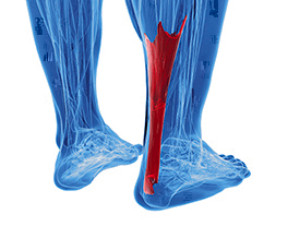
The Achilles tendon is the large tendon on the back of the ankle that connects the calf muscle and the heel bone. When these tendon fibers tear, what is known as a rupture occurs and this leads to pain and a loss of function. During an Achilles tendon rupture, a popping or snapping sound may be heard and the patient can feel as though they’ve been kicked in the back of the leg. During a complete rupture, the heel may not be able to lift off the ground. Achilles tendon ruptures often occur in weekend athletes who don’t train as hard during the week. Other factors that may contribute to ruptures include tight calf muscles, a change in running surface, poor footwear, and obesity. Patients who have ruptured their Achilles tendon tendon should visit a podiatrist to receive a proper diagnosis and treatment plan.

Achilles tendon injuries need immediate attention to avoid future complications. If you have any concerns, contact one of our podiatrists of Advanced Foot & Ankle Medical Center . Our doctors can provide the care you need to keep you pain-free and on your feet.

What Is the Achilles Tendon?

The Achilles tendon is a tendon that connects the lower leg muscles and calf to the heel of the foot. It is the strongest tendon in the human body and is essential for making movement possible. Because this tendon is such an integral part of the body, any injuries to it can create immense difficulties and should immediately be presented to a doctor.

What Are the Symptoms of an Achilles Tendon Injury?

There are various types of injuries that can affect the Achilles tendon. The two most common injuries are Achilles tendinitis and ruptures of the tendon.

Achilles Tendinitis Symptoms

  • Inflammation
  • Dull to severe pain
  • Increased blood flow to the tendon
  • Thickening of the tendon

Rupture Symptoms

  • Extreme pain and swelling in the foot
  • Total immobility

Treatment and Prevention

Achilles tendon injuries are diagnosed by a thorough physical evaluation, which can include an MRI. Treatment involves rest, physical therapy, and in some cases, surgery. However, various preventative measures can be taken to avoid these injuries, such as:

  • Thorough stretching of the tendon before and after exercise
  • Strengthening exercises like calf raises, squats, leg curls, leg extensions, leg raises, lunges, and leg presses

If you have any questions please feel free to contact our office located in Thousand Oaks, CA . We offer the newest diagnostic tools and technology to treat your foot and ankle needs.

Read more about What are Achilles Tendon Injuries

The Top Six Causes of Heel Pain

While heel pain can sometimes occur due to systemic illnesses such as gout and arthritis, it usually is caused by a condition isolated to the feet. The most common types of local heel pain are: plantar fasciitis, heel spurs, Sever’s disease, bursitis, trapped nerves, and local bruises. Plantar fasciitis is an inflammation in the long, fibrous tissue band that connects the heel and toes along the bottom of the foot. Heel spurs are calcium deposits on the heel bone. Because they occur where the plantar fascia attaches to the heel bone, they are sometimes masked by, or occur in tandem with, plantar fasciitis. Sever’s disease is an inflammation of the growth plate at the back of the heel that occurs in growing children. Bursitis is inflammation in the fluid-filled sac (bursa) which cushions the area at the back of the ankle where the heel meets the Achilles tendon. Trapped nerves occur when there is compression on various nerves leading to the heel. Common bruises and bumps to the heel can also cause pain. If you have heel pain, make an appointment with a podiatrist who can determine the root of the problem and create an effective treatment plan.

Many people suffer from bouts of heel pain. For more information, contact one of our podiatrists of Advanced Foot & Ankle Medical Center . Our doctors can provide the care you need to keep you pain-free and on your feet.

Causes of Heel Pain

Heel pain is often associated with plantar fasciitis. The plantar fascia is a band of tissues that extends along the bottom of the foot. A rip or tear in this ligament can cause inflammation of the tissue.

Achilles tendonitis is another cause of heel pain. Inflammation of the Achilles tendon will cause pain from fractures and muscle tearing. Lack of flexibility is also another symptom.

Heel spurs are another cause of pain. When the tissues of the plantar fascia undergo a great deal of stress, it can lead to ligament separation from the heel bone, causing heel spurs.

Why Might Heel Pain Occur?

  • Wearing ill-fitting shoes                  
  • Wearing non-supportive shoes
  • Weight change           
  • Excessive running

Treatments

Heel pain should be treated as soon as possible for immediate results. Keeping your feet in a stress-free environment will help. If you suffer from Achilles tendonitis or plantar fasciitis, applying ice will reduce the swelling. Stretching before an exercise like running will help the muscles. Using all these tips will help make heel pain a condition of the past.

If you have any questions please contact our office located in Thousand Oaks, CA . We offer the newest diagnostic and treatment technologies for all your foot and ankle needs.

Read more about Heel Pain

The Most Common Ankle Problems

Ankle pain can be a result of problems that affect the bones, muscles and tissues that support the ankle. One common issue that may occur is an Achilles tendon rupture. This occurs when the tendon that connects the heel bone to the calf is torn as a result of overstretching or overuse. The most common ankle injury is an ankle sprain. Sprains occur when the ligaments that connect the bones become overstretched or torn. Another common problem that can occur is arthritis, the result of the cartilage wearing down, which causes the bones to rub together. Patients who have experienced an injury that limits their ability to move their ankle, or those who can’t put weight on their ankle, or whose pain or condition is worsening, should consult with a podiatrist for a proper diagnosis and treatment. Patients who believe they have fractured their ankle should seek immediate medical attention as well.

Although ankle sprains are common, they aren’t always minor injuries. If you need your ankle injury looked at, contact one of our podiatrists from Advanced Foot & Ankle Medical Center . Our doctors can provide the care you need to keep you pain-free and on your feet.

How Does an Ankle Sprain Occur?

Ankle sprains are the result of a tear in the ligaments within the ankle. These injuries may happen when you make a rapid shifting movement while your foot is planted. A less common way to sprain your ankle is when your ankle rolls inward while your foot turns outward.

What Are the Symptoms?

  • Pain at the sight of the tear
  • Bruising/Swelling
  • Ankle area is tender to touch
  • In severe cases, may hear/feel something tear
  • Skin discoloration

Preventing a Sprain

  • Wearing appropriate shoes for the occasion
  • Stretching before exercises and sports
  • Knowing your limits

Treatment of a Sprain

In many cases, the RICE method (Rest, Ice, Compression, and Elevate) is used to treat ankle sprains. However, you should see a podiatrist to see which treatment option would work best with your injury. In severe cases, surgery may be required.

It is important to ask your doctor about rehab options after you receive treatment for your injury. Stretching, strength training, and balance exercises may help the ankle heal while also preventing further injury.

If you have any questions, please feel free to contact our office located in Thousand Oaks, CA . We offer the newest diagnostic and treatment technologies for all your foot care needs.

Read more about Ankle Sprains

Connect With Us

scroll-to-top