Blog

What Is an Overuse Injury?

An overuse injury can involve damage to bones, muscles, tendons, or ligaments that is caused by repetitive stress on the affected structure over time. The feet and ankles are a frequent site of overuse injuries. Examples of overuse injuries include stress fractures, plantar fasciitis, and Achilles tendonitis. These injuries are common among athletes and can be classified into four different stages based on how they affect you. In stage one, you may feel pain in the affected area after physical activity. In stage two, pain is felt in the affected area during the activity, but does not restrict your performance. In stage three, the pain does begin to affect your performance. At stage four, you may experience chronic pain in the affected area. Intervention is recommended at stage two. If you think that you may have an overuse injury in your feet or ankles, it is strongly suggested that you see a podiatrist. 

Sports related foot and ankle injuries require proper treatment before players can go back to their regular routines. For more information, contact one of our podiatrists of Advanced Foot & Ankle Medical Center . Our doctors can provide the care you need to keep you pain-free and on your feet.

Sports Related Foot and Ankle Injuries

Foot and ankle injuries are a common occurrence when it comes to athletes of any sport. While many athletes dismiss the initial aches and pains, the truth is that ignoring potential foot and ankle injuries can lead to serious problems. As athletes continue to place pressure and strain the area further, a mild injury can turn into something as serious as a rupture and may lead to a permanent disability. There are many factors that contribute to sports related foot and ankle injuries, which include failure to warm up properly, not providing support or wearing bad footwear. Common injuries and conditions athletes face, including:

  • Plantar Fasciitis
  • Plantar Fasciosis
  • Achilles Tendinitis
  • Achilles Tendon Rupture
  • Ankle Sprains

Sports related injuries are commonly treated using the RICE method. This includes rest, applying ice to the injured area, compression and elevating the ankle. More serious sprains and injuries may require surgery, which could include arthroscopic and reconstructive surgery. Rehabilitation and therapy may also be required in order to get any recovering athlete to become fully functional again. Any unusual aches and pains an athlete sustains must be evaluated by a licensed, reputable medical professional.

If you have any questions please feel free to contact our office located in Thousand Oaks, CA . We offer the newest diagnostic and treatment technologies for all your foot and ankle needs.


Read more about Sports Related Foot And Ankle Injuries

Signs That Foot Wounds Should Be Checked

An ulcer that develops on the foot is a wound that may not heal. This type of ailment can cause severe pain and discomfort and is common among diabetic patients. Redness on and around the affected area is often the first sign of a foot wound, and additional symptoms can include an unpleasant odor and possible drainage. There are several reasons why foot wounds may occur. These can consist of living a sedentary lifestyle, nerve damage, or circulation problems. Additionally, medical conditions such as high blood pressure and diabetes may make developing wounds on the feet more likely. If you are prone to foot wounds, it is strongly suggested that you are under the care of a podiatrist who can effectively treat this problem.

Wound care is an important part in dealing with diabetes. If you have diabetes and a foot wound or would like more information about wound care for diabetics, consult with one of our podiatrists from Advanced Foot & Ankle Medical Center . Our doctors will assess your condition and provide you with quality foot and ankle treatment.

What Is Wound Care?

Wound care is the practice of taking proper care of a wound. This can range from the smallest to the largest of wounds. While everyone can benefit from proper wound care, it is much more important for diabetics. Diabetics often suffer from poor blood circulation which causes wounds to heal much slower than they would in a non-diabetic. 

What Is the Importance of Wound Care?

While it may not seem apparent with small ulcers on the foot, for diabetics, any size ulcer can become infected. Diabetics often also suffer from neuropathy, or nerve loss. This means they might not even feel when they have an ulcer on their foot. If the wound becomes severely infected, amputation may be necessary. Therefore, it is of the upmost importance to properly care for any and all foot wounds.

How to Care for Wounds

The best way to care for foot wounds is to prevent them. For diabetics, this means daily inspections of the feet for any signs of abnormalities or ulcers. It is also recommended to see a podiatrist several times a year for a foot inspection. If you do have an ulcer, run the wound under water to clear dirt from the wound; then apply antibiotic ointment to the wound and cover with a bandage. Bandages should be changed daily and keeping pressure off the wound is smart. It is advised to see a podiatrist, who can keep an eye on it.

If you have any questions, please feel free to contact our office located in Thousand Oaks, CA . We offer the newest diagnostic and treatment technologies for all your foot care needs.

Read more about Wound Care

Who Should Be Under the Care of a Podiatrist?

There are a variety of injuries and issues that can affect the feet. Therefore, proper foot care is important, and those who have diabetes, arthritis, or poor blood flow should be under the care of a podiatrist. Common foot issues that podiatrists can care for include ligament sprains, broken bones, heel pain, warts, athlete’s foot, and ingrown toenails. They can prescribe medications for these foot-related issues, perform surgery, prescribe orthotics, and provide recommendations and solutions for your particular foot problem. Those who are older should be under the care of a podiatrist as well, because as the feet age, a variety of issues, such as bunions, arthritis, or foot pain, may become more prominent and can lead to falls. If you are in one of these risk groups, or believe that you have injured your foot, it is highly recommended that you are under the care of a podiatrist.

If you are dealing with pain in your feet and ankles, you may want to seek help from a podiatrist. Feel free to contact one of our podiatrists from Advanced Foot & Ankle Medical Center . Our doctors can provide the care you need to keep you pain-free and on your feet.

What Is a Podiatrist?

A podiatrist is a doctor of podiatric medicine who diagnoses and treats conditions of the foot, ankle, and related structures of the leg. Your podiatrist may specialize in a certain field such as sports medicine, wound care, pediatrics, and diabetic care. Podiatrists have the ability to become board certified through training, clinical experience, and then taking an exam.

What Do Podiatrists Do?

On a daily basis, a podiatrist may perform the following activities:

  • Diagnose foot ailments such as ulcers, tumors, fractures, etc.
  • Use innovative methods to treat conditions
  • Use corrective orthotics, casts, and strappings to correct deformities
  • Correct walking patterns and balance
  • Provide individual consultations to patients

It is very important that you take care of your feet. It’s easy to take having healthy feet for granted, however foot problems tend to be among the most common health conditions. Podiatrists can help diagnose and treat a variety of feet related conditions, so it is crucial that you visit one if you need assistance.

If you have any questions please feel free to contact our office located in Thousand Oaks, CA . We offer the newest diagnostic and treatment technologies for all your foot and ankle needs.

 

Read more about What is a Podiatrist?

Learn About Medicare's Diabetic Shoe Program

If you have Medicare, you may be eligible for Medicare's diabetic shoe program. Medicare pays for one pair of high quality diabetic shoes and three pairs of Plastazote insoles each year for all Medicare patients diagnosed with diabetes. For more information please contact our office.

Sever's Disease and Heel Pain in Children

Sever’s disease is a common issue that leads to heel pain in children between the ages of 8 and 14. Sever’s disease occurs when the bones in the calves grow faster than the Achilles tendon, which connects the heel bone to the calf muscle. This causes the tendon to tighten and the heel to become swollen and sore. Sever’s disease symptoms are typically most  prominent during running or jumping activities. However, there is usually no long term damage caused by Sever’s disease as the child continues to grow. Common symptoms include limping, tenderness in the heel, especially after exercise, and swelling in the heel bone. If you believe that your child is struggling with Sever’s disease, consulting with a podiatrist is suggested.

Sever's disease often occurs in children and teens. If your child is experiencing foot or ankle pain, see one of our podiatrists from Advanced Foot & Ankle Medical Center . Our doctors can treat your child’s foot and ankle needs.

Sever’s Disease

Sever’s disease is also known as calcaneal apophysitis, which is a medical condition that causes heel pain I none or both feet. The disease is known to affect children between the ages of 8 and 14.

Sever’s disease occurs when part of the child’s heel known as the growth plate (calcaneal epiphysis) is attached to the Achilles tendon. This area can suffer injury when the muscles and tendons of the growing foot do not keep pace with bone growth. Therefore, the constant pain which one experiences at the back of the heel will make the child unable to put any weight on the heel. The child is then forced to walk on their toes.

Symptoms

Acute pain – Pain associated with Sever’s disease is usually felt in the heel when the child engages in physical activity such as walking, jumping and or running.

Highly active – Children who are very active are among the most susceptible in experiencing Sever’s disease, because of the stress and tension placed on their feet.

If you have any questions, please feel free to contact our office located in Thousand Oaks, CA . We offer the newest diagnostic and treatment technologies for all your foot and ankle injuries.

Read more about Sever's Disease

Keys for Managing Gout

Gout is a very painful type of arthritis that can cause joints to become stiff, hot, or tender. Gout is caused by a buildup of uric acid, most commonly affected is the big toe. Those who eat a lot of foods that contain high purine levels, such as red meat, seafood, and alcohol, are at an increased risk for developing gout. Other risk factors that may contribute to the onset of gout can include include genetics, family history, sex, or age. Gout is found to be more common in men and the risk increases with age. Because there is no cure for gout, even when no symptoms are present, it is important to manage this condition correctly. One key to managing gout is keeping a healthy weight because excess body weight can lead to more uric acid in the body. Another key to managing gout is to have a well balanced diet that cuts down on the intake of foods and alcohols that are rich in purines. Staying hydrated is important as well. If you are afflicted with gout, make sure to check with a podiatrist for help managing it as well as various treatment techniques.  


Gout is a painful condition that can be treated. If you are seeking treatment, contact one of our podiatrists from Advanced Foot & Ankle Medical Center . Our doctors will treat your foot and ankle needs.

What Is Gout?

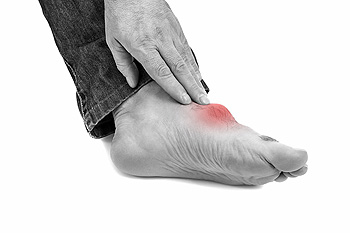
Gout is a form of arthritis that is characterized by sudden, severe attacks of pain, redness, and tenderness in the joints. The condition usually affects the joint at the base of the big toe. A gout attack can occur at any random time, such as the middle of the night while you are asleep.

Symptoms

  • Intense Joint Pain - Usually around the large joint of your big toe, and it most severe within the first four to twelve hours
  • Lingering Discomfort - Joint discomfort may last from a few days to a few weeks
  • Inflammation and Redness -Affected joints may become swollen, tender, warm and red
  • Limited Range of Motion - May experience a decrease in joint mobility

Risk Factors

  • Genetics - If family members have gout, you’re more likely to have it
  • Medications - Diuretic medications can raise uric acid levels
  • Gender/Age - Gout is more common in men until the age of 60. It is believed that estrogen protects women until that point
  • Diet - Eating red meat and shellfish increases your risk
  • Alcohol - Having more than two alcoholic drinks per day increases your risk
  • Obesity - Obese people are at a higher risk for gout

Prior to visiting your podiatrist to receive treatment for gout, there are a few things you should do beforehand. If you have gout you should write down your symptoms--including when they started and how often you experience them, important medical information you may have, and any questions you may have. Writing down these three things will help your podiatrist in assessing your specific situation so that he or she may provide the best route of treatment for you.

If you have any questions, please feel free to contact our office located in Thousand Oaks, CA . We offer the newest diagnostic and treatment technologies for all your foot care needs.

Read more about Everything You Need to Know About Gout

How Rheumatoid Arthritis Affects the Feet and Ankles

Rheumatoid arthritis (RA) is an autoimmune disorder that causes the body’s immune system to attack the lining of the joints. This leads to joint pain, as well as weakened tendons and ligaments. RA often affects the joints of the feet and ankles, especially in the early stages of the disease. Symptoms of this condition include painful, swollen, and stiff joints. Over time, RA can also change the position of joints, leading to misalignment and a decrease in joint function and range of motion. The earlier RA is detected and diagnosed, the earlier treatment can begin. Early treatment can prevent RA symptoms from worsening. If you have RA and experience foot and ankle symptoms, it is suggested that you are under the care of a podiatrist, who can help you manage this condition and stay on your feet. 

Because RA affects more than just your joints, including the joints in your feet and ankles, it is important to seek early diagnosis from your podiatrist if you feel like the pain in your feet might be caused by RA. For more information, contact one of our podiatrists of Advanced Foot & Ankle Medical Center . Our doctors will assist you with all of your podiatric concerns.

What Is Rheumatoid Arthritis?

Rheumatoid Arthritis (RA) is an autoimmune disorder in which the body’s own immune system attacks the membranes surrounding the joints. Inflammation of the lining and eventually the destruction of the joint’s cartilage and bone occur, causing severe pain and immobility.

Rheumatoid Arthritis of the Feet

Although RA usually attacks multiple bones and joints throughout the entire body, almost 90 percent of cases result in pain in the foot or ankle area.

Symptoms

  • Swelling and pain in the feet
  • Stiffness in the feet
  • Pain on the ball or sole of feet
  • Joint shift and deformation

Diagnosis

Quick diagnosis of RA in the feet is important so that the podiatrist can treat the area effectively. Your doctor will ask you about your medical history, occupation, and lifestyle to determine the origin of the condition. Rheumatoid Factor tests help to determine if someone is affected by the disease.

If you have any questions please feel free to contact our office located in Thousand Oaks, CA . We offer the newest diagnostic and treatment technologies for all your foot and ankle needs.

Read more about Rheumatoid Arthritis in the Feet

Types of Ankle Sprains

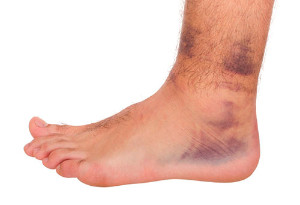
Ankle sprains occur as damage or a tear to the ligaments surrounding the ankle. Ankle sprains most commonly occur when the ankle is twisted inward (inversion), but they may also occur when the ankle twists outward (eversion). Sprains are categorized into three tiers. A first degree sprain is generally mild, and the ankle is weakened. A second degree sprain results in a swollen and bruised ankle, and walking can be difficult and painful. Sprained ankles that are unstable and unable to bear weight are considered to be third degree sprains. These sprains usually cause the whole ankle to swell, and the nerves and cartilage may be damaged as well. Those who have severely sprained their ankle should consult with a podiatrist. A podiatrist will make sure that the ankle has not been fractured and will provide options to stabilize the ankle to help it heal.  

Ankle sprains are common but need immediate attention. If you need your feet checked, contact one of our podiatrists from Advanced Foot & Ankle Medical Center . Our doctors can provide the care you need to keep you pain-free and on your feet.

How Does an Ankle Sprain Occur?

Ankle sprains take place when the ligaments in your ankle are torn or stretched beyond their limits. There are multiple ways that the ankle can become injured, including twisting or rolling over onto your ankle, putting undue stress on it, or causing trauma to the ankle itself.

What Are the Symptoms?

  • Mild to moderate bruising
  • Limited mobility
  • Swelling
  • Discoloration of the skin (depending on severity)

Preventing a Sprain

  • Wearing appropriate shoes for the occasion
  • Stretching before exercises and sports
  • Knowing your limits

Treatment of a Sprain

Treatment of a sprain depends on the severity.  Many times, people are told to rest and remain off their feet completely, while others are given an air cast. If the sprain is very severe, surgery may be required.

If you have suffered an ankle sprain previously, you may want to consider additional support such as a brace and regular exercises to strengthen the ankle.

If you have any questions please feel free to contact our office located in Thousand Oaks, CA . We offer the newest diagnostic and treatment technologies for all your foot and ankle needs.
Read more about Ankle Sprains

See If You're Eligible for Orthotics or More

If you've met your deductible for the year, you may be eligible for your first or an extra pair of orthotics, bunion surgery, ingrown toenail surgery, or more.

Please contact our office for more information.

Different Types of Heel Pain

Heel pain affects roughly 1 out of every 10 people in the world, particularly runners and those between the ages of 40 and 60. Heel pain generally builds up and worsens over time, and most commonly it is a result of damage to the plantar fascia. The plantar fascia is the band of tissue that runs along the sole of the foot and connects the heel bone to the toes. Any damage, whether it is sudden or reoccurring over time, will cause the plantar fascia to thicken, along with the surrounding tissues and heel bone. This is known as plantar fasciitis. Other less common sources of heel pain include stress fractures, bursitis, wearing of the fat pad under the heel, or a heel spur. If you are suffering from heel pain, it is important to consult with a podiatrist to receive a proper diagnosis. Once the source of the pain is determined, your podiatrist will be able to provide treatment options for your specific condition.

Many people suffer from bouts of heel pain. For more information, contact one of our podiatrists of Advanced Foot & Ankle Medical Center . Our doctors can provide the care you need to keep you pain-free and on your feet.

Causes of Heel Pain

Heel pain is often associated with plantar fasciitis. The plantar fascia is a band of tissues that extends along the bottom of the foot. A rip or tear in this ligament can cause inflammation of the tissue.

Achilles tendonitis is another cause of heel pain. Inflammation of the Achilles tendon will cause pain from fractures and muscle tearing. Lack of flexibility is also another symptom.

Heel spurs are another cause of pain. When the tissues of the plantar fascia undergo a great deal of stress, it can lead to ligament separation from the heel bone, causing heel spurs.

Why Might Heel Pain Occur?

  • Wearing ill-fitting shoes                  
  • Wearing non-supportive shoes
  • Weight change           
  • Excessive running

Treatments

Heel pain should be treated as soon as possible for immediate results. Keeping your feet in a stress-free environment will help. If you suffer from Achilles tendonitis or plantar fasciitis, applying ice will reduce the swelling. Stretching before an exercise like running will help the muscles. Using all these tips will help make heel pain a condition of the past.

If you have any questions please contact our office located in Thousand Oaks, CA . We offer the newest diagnostic and treatment technologies for all your foot and ankle needs.

Read more about Heel Pain

Connect With Us

scroll-to-top