
Your feet are covered most of the day. If you're diabetic, periodic screening is important for good health. Numbness is often a sign of diabetic foot and can mask a sore or wound.
Your feet are covered most of the day. If you're diabetic, periodic screening is important for good health. Numbness is often a sign of diabetic foot and can mask a sore or wound.

Arthroscopy is a “keyhole” or minimally invasive surgical procedure podiatric surgeons use for viewing and making repairs inside the ankle joint without making large incisions or performing open surgery. An arthroscope (a long, flexible tube with a light and tiny video camera attached) is inserted through a small incision into the ankle joint. The images from the video camera are projected onto a large screen, giving the surgeon a view inside the ankle to assess damage and make a diagnosis. Surgery can be performed with tiny surgical instruments that have been inserted through other small incisions. Arthroscopic surgery reduces the risk of infection, and typically involves shorter hospital stays and reduced recovery times. Make an appointment with a podiatrist to see if arthroscopy might be helpful to diagnose or treat your ankle issue
Foot surgery is sometimes necessary to treat a foot ailment. To learn more, contact one of our podiatrists of Advanced Foot & Ankle Medical Center . Our doctors will assist you with all of your foot and ankle needs.
When Is Surgery Necessary?
Foot and ankle surgery is generally reserved for cases in which less invasive, conservative procedures have failed to alleviate the problem. Some of the cases in which surgery may be necessary include:
What Types of Surgery Are There?
The type of surgery you receive will depend on the nature of the problem you have. Some of the possible surgeries include:
Benefits of Surgery
Although surgery is usually a last resort, it can provide more complete pain relief compared to non-surgical methods and may allow you to finally resume full activity.
Surgical techniques have also become increasingly sophisticated. Techniques like endoscopic surgery allow for smaller incisions and faster recovery times.
If you have any questions please feel free to contact our office located in Thousand Oaks, CA . We offer the newest diagnostic and treatment technologies for all your foot and ankle needs.
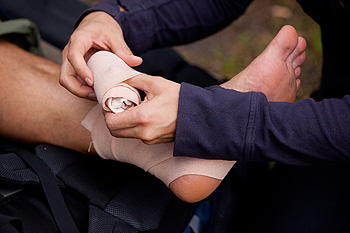 Ankle sprains occur when one or more ligaments that support the ankle are overstretched or torn. This often happens during a sudden twisting of the ankle while walking or running, or due to a direct impact while playing sports. There are three types of ankle sprains. A lateral sprain is the most common type of ankle sprain, as the small lateral ligaments along the outside of the ankle are the most easily injured due to their size and lower strength and resilience relative to other ligaments in the ankle. Another type of sprain is a medial ankle sprain, which affects the ligaments along the inside of the ankle. A high ankle sprain is relatively rare and affects the ligaments located above the ankle joint and between the two leg bones. If you have sprained your ankle, it is strongly suggested that you seek medical care from a podiatrist. A podiatrist can determine the type and severity of your sprain and find the right treatments for you.
Ankle sprains are common but need immediate attention. If you need your feet checked, contact one of our podiatrists from Advanced Foot & Ankle Medical Center . Our doctors can provide the care you need to keep you pain-free and on your feet.
How Does an Ankle Sprain Occur?
Ankle sprains take place when the ligaments in your ankle are torn or stretched beyond their limits. There are multiple ways that the ankle can become injured, including twisting or rolling over onto your ankle, putting undue stress on it, or causing trauma to the ankle itself.
What Are the Symptoms?
Preventing a Sprain
Treatment of a Sprain
Treatment of a sprain depends on the severity. Many times, people are told to rest and remain off their feet completely, while others are given an air cast. If the sprain is very severe, surgery may be required.
If you have suffered an ankle sprain previously, you may want to consider additional support such as a brace and regular exercises to strengthen the ankle.
If you have any questions please feel free to contact our office located in Thousand Oaks, CA . We offer the newest diagnostic and treatment technologies for all your foot and ankle needs.
 A podiatrist is a doctor that specializes in the treatment of foot conditions. There are many issues with the feet that can develop that a podiatrist should address. For example, if you have a wound or sore that won’t heal, a podiatrist should examine it, especially if you have diabetes. Any joint pain, pain with elevated legs, pain that increases with activity, or severe pain that lasts more than a day, can be from a variety of issues. Numbness, tingling or a burning can indicate neuropathy. Any discolorations in the feet or toes should be looked at as well because of the possibility of an infection. Lastly, if you are starting to run more often, a podiatrist can help identify potential problems and give advice to avoid them. If you have any other questions about issues regarding your feet, don’t hesitate to ask your podiatrist.
If you are experiencing pain in the feet or ankles, don’t join the stubborn majority refusing treatment. Feel free to contact one of our podiatrists from Advanced Foot & Ankle Medical Center . Our doctors can provide the care you need to keep you pain-free and on your feet.
What Is a Podiatrist?
Someone would seek the care of a podiatrist if they have suffered a foot injury or have common foot ailments such as heal spurs, bunions, arch problems, deformities, ingrown toenails, corns, foot and ankle problems, etc.
Podiatric Treatment
A podiatrist will treat the problematic areas of the feet, ankle or lower leg by prescribing the following:
A common podiatric procedure a podiatrist will use is a scanner or force plate which will allow the podiatrist to know the designs of orthotics. Patients are then told to follow a series of tasks to complete the treatment. The computer will scan the foot a see which areas show weight distribution and pressure points. The podiatrist will read the analysis and then determine which treatment plans are available.
If you have any questions please feel free to contact our office located in Thousand Oaks, CA . We offer the newest diagnostic and treatment technologies for all your foot and ankle needs.
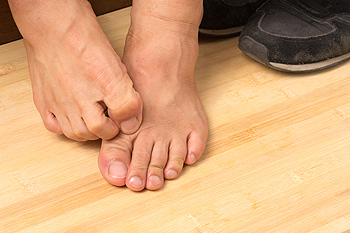 A rash on the feet can be indicative of a variety of medical conditions. One of the most common reasons for a foot rash is a fungal infection called athlete’s foot. The rash characteristic of athlete’s foot is usually scaly, flakey, itchy, and red, and it may also sting or burn. Irritant contact dermatitis is an allergic skin reaction that can affect the feet. A contact dermatitis rash features dry, cracked, scaly - but not itchy - skin in a localized area. Allergic contact dermatitis is caused by a more severe allergic reaction and often presents as small, pink or red skin bumps, spots, or blisters that are very itchy. Other conditions that can lead to a foot rash include hand foot and mouth disease, eczema, psoriasis, scabies, an insect bite, and medical conditions like chicken pox, shingles, and Lyme disease. If you have a rash on your feet, please consult with a podiatrist.
Athlete’s foot is an inconvenient condition that can be easily reduced with the proper treatment. If you have any concerns about your feet and ankles, contact one of our podiatrists from Advanced Foot & Ankle Medical Center . Our doctors will treat your foot and ankle needs.
Athlete’s Foot: The Sole Story
Athlete's foot, also known as tinea pedis, can be an extremely contagious foot infection. It is commonly contracted in public changing areas and bathrooms, dormitory style living quarters, around locker rooms and public swimming pools, or anywhere your feet often come into contact with other people.
Solutions to Combat Athlete’s Foot
Athlete’s foot can cause many irritating symptoms such as dry and flaking skin, itching, and redness. Some more severe symptoms can include bleeding and cracked skin, intense itching and burning, and even pain when walking. In the worst cases, Athlete’s foot can cause blistering as well. Speak to your podiatrist for a better understanding of the different causes of Athlete’s foot, as well as help in determining which treatment options are best for you.
If you have any questions please feel free to contact our office located in Thousand Oaks, CA . We offer the newest diagnostic and treatment technologies for all your foot and ankle needs.

There are different conditions that cause stiffness or pain in your heel that gets worse in the morning. Pain from conditions such as plantar fasciitis—where the long band of tissue on the bottom of the foot becomes inflamed—can be worse in the morning because blood supply to the feet is reduced while you sleep. Similarly, an inflammation of the tissue that connects the heel bone with the calf muscles (Achilles tendinitis) can also be more painful upon waking. This can also be caused by poor circulation, or the fact that calf muscles are shortened while at rest and may become painful when they are stretched as you take your first steps. Unlike plantar fasciitis, however, heel pain from Achilles tendinitis typically does not subside after moving around and warming up the heel. If you have any pain in your heel, seek the care of a podiatrist to determine its cause and the best course of treatment.
Many people suffer from bouts of heel pain. For more information, contact one of our podiatrists of Advanced Foot & Ankle Medical Center . Our doctors can provide the care you need to keep you pain-free and on your feet.
Causes of Heel Pain
Heel pain is often associated with plantar fasciitis. The plantar fascia is a band of tissues that extends along the bottom of the foot. A rip or tear in this ligament can cause inflammation of the tissue.
Achilles tendonitis is another cause of heel pain. Inflammation of the Achilles tendon will cause pain from fractures and muscle tearing. Lack of flexibility is also another symptom.
Heel spurs are another cause of pain. When the tissues of the plantar fascia undergo a great deal of stress, it can lead to ligament separation from the heel bone, causing heel spurs.
Why Might Heel Pain Occur?
Treatments
Heel pain should be treated as soon as possible for immediate results. Keeping your feet in a stress-free environment will help. If you suffer from Achilles tendonitis or plantar fasciitis, applying ice will reduce the swelling. Stretching before an exercise like running will help the muscles. Using all these tips will help make heel pain a condition of the past.
If you have any questions please contact our office located in Thousand Oaks, CA . We offer the newest diagnostic and treatment technologies for all your foot and ankle needs.

You don't need an excuse to have beautiful nails. Step outside without worrying about the appearance of your feet.
 Because the foot supports the body and is made up of a complex network of bones, ligaments and tendons, foot pain can be debilitating and needs medical care. Different conditions can lead to issues in different locations on the foot. Common issues that cause pain on the top of the foot include extensor tendonitis, a Lisfranc injury, a midtarsal joint sprain, a navicular stress fracture, or a Morton’s neuroma. While these injuries are all different and complex, there are a few indications that a podiatrist should examine your condition. These indications include severe pain and swelling, an inability to complete normal daily tasks or to put weight on the foot, a change in sensation of the foot (such as numbness), and pain and weakness in the area that lasts more than two weeks.
Foot Pain
Foot pain can be extremely painful and debilitating. If you have a foot pain, consult with one of our podiatrists from Advanced Foot & Ankle Medical Center . Our doctors will assess your condition and provide you with quality foot and ankle treatment.
Causes
Foot pain is a very broad condition that could be caused by one or more ailments. The most common include:
Diagnosis
To figure out the cause of foot pain, podiatrists utilize several different methods. This can range from simple visual inspections and sensation tests to X-rays and MRI scans. Prior medical history, family medical history, and any recent physical traumatic events will all be taken into consideration for a proper diagnosis.
Treatment
Treatment depends upon the cause of the foot pain. Whether it is resting, staying off the foot, or having surgery; podiatrists have a number of treatment options available for foot pain.
If you have any questions, please feel free to contact our office located in Thousand Oaks, CA . We offer the newest diagnostic and treatment technologies for all your foot care needs.
 Lupus is a systemic autoimmune disease that causes the body’s immune system to attack its own otherwise healthy tissues and organs. Every individual who has lupus may be affected in different ways, but this condition often affects the joints, muscles, and bones of the feet and ankles. Lupus may cause joint pain and inflammation, leading to arthritis, tendonitis, and unusual looseness in the tendons. Lupus may also bring about myalgia, which is characterized by aches and pains in the muscles. Many patients with lupus develop osteoporosis or low bone density, which can make fractures more likely. If you have lupus and notice new aches, pains, or injuries to your lower limbs, it is suggested that you seek the care of a podiatrist, who can help manage the effects of lupus on your feet and ankles.
When dealing with systemic disease of the feet, it is extremely important to check the affected areas routinely so that any additional problems are caught quickly. If you have any concerns about your feet and ankles contact one of our podiatrists from Advanced Foot & Ankle Medical Center . Our doctors will assist you with all of your podiatric needs.
Systemic Diseases of the Feet
Systemic diseases affect the whole body, and symptoms usually are displayed in the feet. This condition can make a patient’s ability to walk unbearable. Systemic diseases include gout, diabetes mellitus, neurological disorders, and arthritis.
Gout – is caused by an excess of uric acid in the body. Common symptoms include pain, inflammation, and redness at the metatarsal/phalangeal joint of the base big toe. Gout can be treated by NSAIDs to relieve pain and inflammation, and other drugs that lower the acid levels in the body.
Diabetes mellitus – is an increase in the level of blood sugar that the body cannot counteract with its own insulin. Failure to produce enough insulin is a factor in Diabetes.
Diabetes of the Feet
Diabetic Neuropathy – may lead to damaged nerves and affect the feet through numbness and loss of sensation.
Peripheral Vascular Disease – can restrict the blood flow to the feet, and often times lead to amputation of the feet.
If you have any questions please feel free to contact our office located in Thousand Oaks, CA . We offer the newest diagnostic and treatment technologies for all your foot and ankle needs.

If you are new to the world of working out, you may be wondering what type of shoes to get. Running shoes are often found in shoe stores, but what if you just want to walk? Can you still wear running shoes? The answer is yes, but you may want to consider the differences between running and walking shoes. Running shoes have more cushioning and support than walking shoes. This is to protect the feet against the pounding and stronger impacts that occur while running. Running shoes are also less flexible than walking shoes. Finally, because running generates more heat than walking, running shoes are generally made of more breathable materials than walking shoes. Unfortunately, walking shoes can be more difficult to find than running shoes. Stores that sell them often have a limited selection of styles and colors relative to other types of shoes. If you are unsure of what kind of shoes would best suit your needs, a podiatrist can examine your feet and provide you with suggestions on what to look for when shopping for the right pair of shoes for you.
For more information about walking shoes versus running shoes, consult with one of our podiatrists from Advanced Foot & Ankle Medical Center . Our doctors can measure your feet to determine what your needs are and help you find an appropriate pair of footwear.
Foot Health: The Differences between Walking & Running Shoes
There are great ways to stay in shape: running and walking are two great exercises to a healthy lifestyle. It is important to know that running shoes and walking shoes are not interchangeable. There is a key difference on how the feet hit the ground when someone is running or walking. This is why one should be aware that a shoe is designed differently for each activity.
You may be asking yourself what the real differences are between walking and running shoes and the answers may shock you.
Differences
Walking doesn’t involve as much stress or impact on the feet as running does. However, this doesn’t mean that you should be any less prepared. When you’re walking, you land on your heels and have your foot roll forward. This rolling motion requires additional support to the feet.
Flexibility – Walking shoes are designed to have soft, flexible soles. This allows the walker to push off easily with each step.
If you have any questions, please feel free to contact our office located in Thousand Oaks, CA . We offer the newest diagnostic and treatment technologies for all your foot care needs.
Connect With Us
