Blog

Heel and Toe Spurs May Require Surgery

There are several different types of foot surgery that have to be performed for permanent relief. A bone spur is a growth on the back of the heel that can develop from wearing shoes that do not fit correctly. The Achilles tendon is often affected by a bone spur, and may have to be repaired following removal of the bone spur. A cast is generally worn for several weeks, and this is helpful as the healing process occurs. The removal of a toe spur can be a reason to have foot surgery. This is a bony growth that develops on the toe, and the surgery is done by making a small cut in the skin surrounding the toe spur. A tool that is referred to as a power rasp is inserted into the small incision, and used to file the spur in addition to smoothing the skin. The majority of patients wear a surgical shoe for several weeks following the surgery. This is helpful in providing stability and protecting the affected toe. If you have developed spurs on your foot, it is strongly advised that you are under the care of a podiatrist who can effectively perform the foot surgery that is needed.

Foot surgery is sometimes necessary to treat a foot ailment. To learn more, contact one of our podiatrists of Advanced Foot & Ankle Medical Center . Our doctors will assist you with all of your foot and ankle needs.

When Is Surgery Necessary?

Foot and ankle surgery is generally reserved for cases in which less invasive, conservative procedures have failed to alleviate the problem. Some of the cases in which surgery may be necessary include:

  • Removing foot deformities like bunions and bone spurs
  • Severe arthritis that has caused bone issues
  • Cosmetic reconstruction

What Types of Surgery Are There?

The type of surgery you receive will depend on the nature of the problem you have. Some of the possible surgeries include:

  • Bunionectomy for painful bunions
  • Surgical fusion for realignment of bones
  • Neuropathy decompression surgery to treat nerve damage

Benefits of Surgery

Although surgery is usually a last resort, it can provide more complete pain relief compared to non-surgical methods and may allow you to finally resume full activity.

Surgical techniques have also become increasingly sophisticated. Techniques like endoscopic surgery allow for smaller incisions and faster recovery times.

If you have any questions please feel free to contact our office located in Thousand Oaks, CA . We offer the newest diagnostic and treatment technologies for all your foot and ankle needs.

Read more about Foot and Ankle Surgery

Tips for Managing Arthritis in the Feet

If you suffer from arthritis, you should know that you might be at an especially high risk of experiencing complications in your feet. For example, you may experience swelling and redness in the joints of your feet or you may even have severe pain when moving your feet. There are several things you can do by yourself at home to help manage the effects of arthritis and your feet. First, to treat swelling, you might consider applying an ice pack to the affected area of the feet. You might apply the ice for ten minutes, always being sure to use a towel to separate the pack from making direct contact with the skin. If your arthritis is making you experience plantar fasciitis in your feet, you might also consider rolling your feet over a water bottle. To do this, get a cold water bottle and roll the bottom of each foot back and forth over the bottle while sitting down. If you have arthritis, it is important to contact a podiatrist who can help you manage your condition. 

Arthritis can be a difficult condition to live with. If you are seeking treatment, contact one of our podiatrists from Advanced Foot & Ankle Medical Center . Our doctors can provide the care you need to keep you pain-free and on your feet.

Arthritic Foot Care  

Arthritis is a joint disorder that involves the inflammation of different joints in your body, such as those in your feet. Arthritis is often caused by a degenerative joint disease and causes mild to severe pain in all affected areas. In addition to this, swelling and stiffness in the affected joints can also be a common symptom of arthritis.

In many cases, wearing ill-fitting shoes can worsen the effects and pain of arthritis. Wearing shoes that have a lower heel and extra room can help your feet feel more comfortable. In cases of rheumatoid arthritis, the arch in your foot may become problematic. Buying shoes with proper arch support that contour to your feet can help immensely.

Alleviating Arthritic Pain

  • Exercises that stretch the foot can prevent further pain and injury and increase mobility
  • Most of the pain can be alleviated with anti-inflammatory drugs, heat, and topical medications
  • Massages can help temporarily alleviate pain.

It is best to see your doctor for the treatment that is right for your needs and symptoms. Conditions vary, and a podiatrist can help you determine the right method of care for your feet.

If you have any questions, please feel free to contact our office located in Thousand Oaks, CA . We offer the newest diagnostic tools and technology to treat your foot and ankle needs.

Read more about How to Care for Your Arthritic Foot

Different Shoes for Various Styles of Running

There are several reasons why people choose to run. These include losing weight, training for a marathon, or jogging for pure enjoyment. There are different types of shoes for various styles of running, and it is beneficial to choose the type of shoe that fits comfortably, while enhancing the type of running that is desired. There are many factors that can determine what kind of shoes are purchased. These consist of weight, what type of surfaces are run on, and foot structure. Research has shown foot conditions may be avoided when properly fitting running shoes are worn. These include plantar fasciitis, ankle sprains, and general aches and pains in the foot and arch area. When the right shoes are worn, they are typically comfortable, and feel like they are part of the foot. Many people who enjoy running prefer to shop at a specialty store where they can get advice in matching their foot type to the appropriate shoe. There are different shoes that target a forefoot or heel striker, and it is important to know what type of running is done. If you would like additional information about how to purchase the correct running shoe, please confer with a podiatrist who can answer any questions you may have.

If you are a runner, wearing the right running shoe is essential. For more information, contact one of our podiatrists from Advanced Foot & Ankle Medical Center . Our doctors can provide the care you need to keep you pain-free and on your feet.

Choosing the Right Running Shoe for Your Foot Type

To increase performance and avoid the risk of injury, it is important to choose the right running shoe based on your foot type. The general design of running shoes revolves around pronation, which is how the ankle rolls from outside to inside when the foot strikes the ground.

  • Neutral runners are able to choose from a wide variety of shoes, including minimalist shoes or even going barefoot.
  • Runners who overpronate, or experience an over-abundance of ankle rolling, should choose shoes that provide extra motion control and stability.
  • Runners who underpronate, or supinate, have feet that have high arches and lack flexibility, preventing shock absorption. They require shoes with more flexibility and cushion.

If you have any questions please feel free to contact our office located in Thousand Oaks, CA . We offer the newest diagnostic and treatment technologies for all your foot and ankle needs.

Read more about Choosing the Right Running Shoe for Your Foot Type

Reminder: When Was the Last Time...?

Custom orthotics, or shoe inserts, should be periodically replaced. Orthotics must fit properly to give you the best results. Protect your feet and ankles!

Signs of Possible Stress Fractures

Stress fractures of the feet are particularly tricky to recognize. They are hairline cracks in the bones, frequently the long metatarsal bones in the midfoot and the calcaneus bone in the heel. They are considered repetitive injuries and that means the more you repeat an activity, the worse they become. But it can take a while before you even notice the problem. Signs that may help to identify a stress fracture include a deep ache in the foot, a dull pain midway into the activity that fades when you rest, and a pain that just doesn’t go away. Other hints are pain that occurs even when you are not active, pain that worsens at night, and pain that begins about a week after increasing your activity level. Treatment for stress fractures may take weeks or even months. As soon as you recognize that something is wrong, it is a good idea to stop the activity causing the pain and make an appointment with a podiatrist for a full examination.

Stress fractures occur when there is a tiny crack within a bone. To learn more, contact one of our podiatrists from Advanced Foot & Ankle Medical Center . Our doctors can provide the care you need to keep you pain free and on your feet.

How Are They Caused?

Stress fractures are the result of repetitive force being placed on the bone. Since the lower leg and feet often carry most of the body’s weight, stress fractures are likely to occur in these areas. If you rush into a new exercise, you are more likely to develop a stress fracture since you are starting too much, too soon.  Pain resulting from stress fractures may go unnoticed at first, however it may start to worsen over time.

Risk Factors

  • Gender – They are more commonly found in women compared to men.
  • Foot Problems – People with unusual arches in their feet are more likely to develop stress fractures.
  • Certain Sports – Dancers, gymnasts, tennis players, runners, and basketball players are more likely to develop stress fractures.
  • Lack of Nutrients – A lack of vitamin D and calcium may weaken the bones and make you more prone to stress fractures
  • Weak Bones – Osteoporosis can weaken the bones therefore resulting in stress fractures

Stress fractures do not always heal properly, so it is important that you seek help from a podiatrist if you suspect you may have one. Ignoring your stress fracture may cause it to worsen, and you may develop chronic pain as well as additional fractures.

If you have any questions, please feel free to contact our office located in Thousand Oaks, CA . We offer the newest diagnostic and treatment technologies for all your foot care needs.

Read more about Stress Fractures of the Foot and Ankle

The Timeframe for Toenail Fungus to Heal

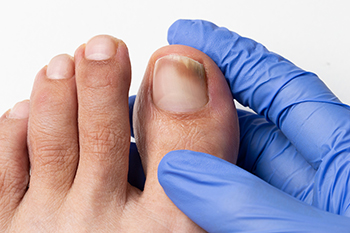
Toenail fungus is a noticeable foot condition. A toenail that is dark and thick can be caused by a fungus that is known as dermatophytes. The nail can change shape, and the color may differ as a result of the area which is affected underneath the nail. Many times, the nail on the big toe is the first to start developing toenail fungus, and in severe cases, it may travel to other nails. There may be existing medical conditions that can lead to toenail fungus. These can include diabetes, problems with circulation, or a weakened immune system. If this condition is not treated promptly, the nails may begin to crumble, and the fungus may grow under the nail, and possibly ooze. Effective treatment may take months to completely heal the fungus, and it is important to stay consistent with applying creams, and taking medication. A podiatrist can properly diagnose and treat this condition, and it is suggested that you schedule an appointment as soon as possible so the proper treatment can begin.

For more information about treatment, contact one of our podiatrists of Advanced Foot & Ankle Medical Center . Our doctors can provide the care you need to keep you pain-free and on your feet.

Toenail Fungus Treatment

Toenail fungus is a condition that affects many people and can be especially hard to get rid of. Fortunately, there are several methods to go about treating and avoiding it.

Antifungals & Deterrence

Oral antifungal medicine has been shown to be effective in many cases. It is important to consult with a podiatrist to determine the proper regiment for you, or potentially explore other options.

Applying foot powder on the feet and shoes helps keep the feet free of moisture and sweat.

Sandals or open toed shoes – Wearing these will allow air movement and help keep feet dry. They also expose your feet to light, which fungus cannot tolerate. Socks with moisture wicking material also help as well.

If you have any questions please feel free to contact our office located in Thousand Oaks, CA . We offer the newest diagnostic tools and technology to treat your foot and ankle needs.

Read more about How to Treat Your Toenail Fungus

Simple Methods That May Help to Prevent Falling

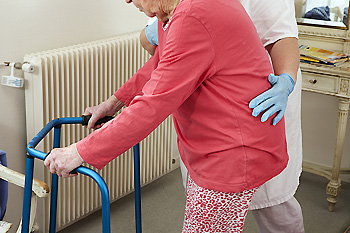
Seniors may be able to remain independent longer when fall prevention techniques are incorporated into their daily routine. These can include performing exercise programs that can help to strengthen the body as well as balancing stretches at home. Additionally, many elderly people make changes to their living environment, including removing frayed rugs and improving lighting in the household. Other effective methods to prevent falling consist of having a grab bar installed in the toilet and shower areas, and it can help to use a non-slip bath mat. It is suggested that physical and eye examinations be performed regularly, and this can help to update existing medication and eyeglass prescriptions. Falling episodes may be lessened when the correct shoes are worn and clutter in the home is cleared. Falling can impact the feet negatively so it is important to learn how to prevent a fall from occurring. If you would like more information about how to prevent falls, please consider speaking with a podiatrist.

Preventing falls among the elderly is very important. If you are older and have fallen or fear that you are prone to falling, consult with one of our podiatrists from Advanced Foot & Ankle Medical Center . Our doctors will assess your condition and provide you with quality advice and care.

Every 11 seconds, an elderly American is being treated in an emergency room for a fall related injury. Falls are the leading cause of head and hip injuries for those 65 and older. Due to decreases in strength, balance, senses, and lack of awareness, elderly persons are very susceptible to falling. Thankfully, there are a number of things older persons can do to prevent falls.

How to Prevent Falls

Some effective methods that older persons can do to prevent falls include:

  • Enrolling in strength and balance exercise program to increase balance and strength
  • Periodically having your sight and hearing checked
  • Discuss any medications you have with a doctor to see if it increases the risk of falling
  • Clearing the house of falling hazards and installing devices like grab bars and railings
  • Utilizing a walker or cane
  • Wearing shoes that provide good support and cushioning
  • Talking to family members about falling and increasing awareness

Falling can be a traumatic and embarrassing experience for elderly persons; this can make them less willing to leave the house, and less willing to talk to someone about their fears of falling. Doing such things, however, will increase the likelihood of tripping or losing one’s balance. Knowing the causes of falling and how to prevent them is the best way to mitigate the risk of serious injury.  

If you have any questions, please feel free to contact our office located in Thousand Oaks, CA . We offer the newest diagnostic and treatment technologies for all your foot care needs.

Read more about Falls Prevention

Three Types of Corns

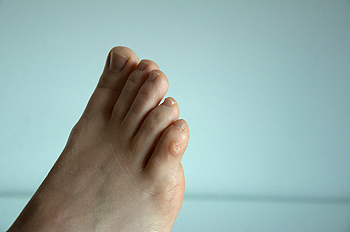
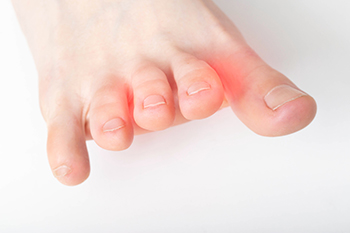
A corn on the foot can cause extreme pain despite its small size. A corn is defined as a small area of hardened skin that generally forms on top of the toes, or on the side of the pinky toe. Some people have corns that develop between the toes which are referred to as soft corns. This can occur from wearing shoes that are too tight which may cause excess pressure. Additionally, seed corns are typically found on the soles of the foot and may be seen in clusters. Many patients can find relief when thinner socks are worn and larger shoes are purchased. A protective pad may be worn over the corn which may help to reduce existing friction. If the corns are severe and are interfering with daily activities, an X-ray may be taken which can help to determine the cause. It is advised that you schedule an appointment with a podiatrist if you suffer from corns, who can guide you toward correct options.

Corns can make walking very painful and should be treated immediately. If you have questions regarding your feet and ankles, contact one of our podiatrists of Advanced Foot & Ankle Medical Center . Our doctors will treat your foot and ankle needs.

Corns: What Are They? And How Do You Get Rid of Them?
Corns are thickened areas on the skin that can become painful. They are caused by excessive pressure and friction on the skin. Corns press into the deeper layers of the skin and are usually round in shape.

Ways to Prevent Corns
There are many ways to get rid of painful corns such as:

  • Wearing properly fitting shoes that have been measured by a professional
  • Wearing shoes that are not sharply pointed or have high heels
  • Wearing only shoes that offer support

Treating Corns

Although most corns slowly disappear when the friction or pressure stops, this isn’t always the case. Consult with your podiatrist to determine the best treatment option for your case of corns.

If you have any questions please feel free to contact our office located in Thousand Oaks, CA . We offer the newest diagnostic and treatment technologies for all your foot and ankle needs.

Read more about Corns and Calluses

Do You Suffer From Painful Feet?

Painful deformities, such as hammertoes, can be treated. Stop living with foot pain, and have beautiful feet again!

Surgery May Be Necessary to Treat Morton’s Neuroma

Each foot is composed of several nerves, tendons, and ligaments. When there is an overgrowth of tissue surrounding the nerves, it may indicate a condition that is known as Morton’s neuroma. The tissue compresses a nerve, and it can cause discomfort. It typically develops between the second and third toe, and the pain is generally felt in the ball of the foot. A common symptom that many people feel is the sensation of a pebble or marble in their shoe which may lead to a numbing and tingling feeling. It can develop as a result of wearing shoes that do not fit well, or from participating in high impact sporting activities. It can affect people who have existing foot conditions that can include bunions, hammertoes, or flat feet. A proper diagnosis  can help to determine how this condition gets treated. This can consist of having an X-ray taken, or possibly having an ultrasound or MRI done. Some patients who are afflicted with Morton’s neuroma choose to have surgery which can permanently remove the neuroma. Please consult with a podiatrist who can determine what the best course of treatment is for you.

Morton’s neuroma is a very uncomfortable condition to live with. If you think you have Morton’s neuroma, contact one of our podiatrists of Advanced Foot & Ankle Medical Center . Our doctors will attend to all of your foot care needs and answer any of your related questions.  

Morton’s Neuroma

Morton's neuroma is a painful foot condition that commonly affects the areas between the second and third or third and fourth toe, although other areas of the foot are also susceptible. Morton’s neuroma is caused by an inflamed nerve in the foot that is being squeezed and aggravated by surrounding bones.

What Increases the Chances of Having Morton’s Neuroma?

  • Ill-fitting high heels or shoes that add pressure to the toe or foot
  • Jogging, running or any sport that involves constant impact to the foot
  • Flat feet, bunions, and any other foot deformities

Morton’s neuroma is a very treatable condition. Orthotics and shoe inserts can often be used to alleviate the pain on the forefront of the feet. In more severe cases, corticosteroids can also be prescribed. In order to figure out the best treatment for your neuroma, it’s recommended to seek the care of a podiatrist who can diagnose your condition and provide different treatment options.

If you have any questions, please feel free to contact our office located in Thousand Oaks, CA . We offer the newest diagnostic and treatment technologies for all your foot care needs.

Read more about Morton's Neuroma

Connect With Us

scroll-to-top