Blog

Pregnancy and Plantar Fasciitis

Pregnancy can have a variety of different effects on the feet as the pregnant woman progresses through each trimester of her pregnancy. Plantar fasciitis is one risk factor in the feet associated with pregnancy. Plantar fasciitis occurs when the plantar fascia, a band of tissue that runs along the arch of the feet, becomes significantly inflamed. It is common for an individual who is pregnant to demonstrate some kind of overpronation, which is typical because of the increase in weight gained from the pregnancy. Due to the overpronation, a pregnant individual can ultimately stretch their plantar fascia in a damaging way, eventually resulting in plantar fasciitis. Pregnant women should take extra special care of their feet due to the risk factors associated with pregnancy. Also, keeping the feet healthy and strong can ensure that the feet are less likely to cause some kind of fall in a pregnant woman. Contact a podiatrist today if you are pregnant or are planning to be. 

Pregnant women with swollen feet can be treated with a variety of different methods that are readily available. For more information about other cures for swollen feet during pregnancy, consult with one of our podiatrists from Advanced Foot & Ankle Medical Center . Our doctors will attend to all of your foot and ankle needs.

What Foot Problems Can Arise During Pregnancy?

One problem that can occur is overpronation, which occurs when the arch of the foot flattens and tends to roll inward.  This can cause pain and discomfort in your heels while you’re walking or even just standing up, trying to support your baby.  

Another problem is edema, or swelling in the extremities. This often affects the feet during pregnancy but tends to occur in the later stages. 

How Can I Keep My Feet Healthy During Pregnancy?

  • Wearing orthotics can provide extra support for the feet and help distribute weight evenly
  • Minimize the amount of time spent walking barefoot
  • Wear shoes with good arch support
  • Wear shoes that allow for good circulation to the feet
  • Elevate feet if you experience swelling
  • Massage your feet
  • Get regular, light exercise, such as walking, to promote blood circulation to the feet

If you have any questions please feel free to contact our office located in Thousand Oaks, CA . We offer the newest diagnostic and treatment technologies for all your foot and ankle needs.

Read more about Pregnancy and Foot Health

Ankle Fracture? Don’t Wait for Treatment

If you're suffering from an ankle fracture, professional attention shouldn't wait. Fractures may worsen over time and can make completing everyday activities incredibly difficult. See your podiatrist for treatment and guidance through the healing process. 

What Is Athlete’s Foot?

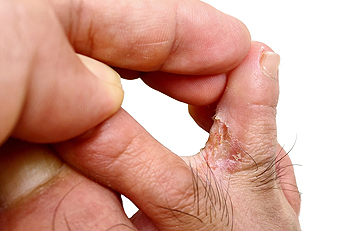
Athlete’s foot, also known as tinea pedis, presents with an inflammatory fungal infection of the skin between the toes, soles of the feet, or on the heels. It can cause itchy, red, or raw skin, and sometimes wounds that are weepy. This is a contagious infection and can spread to the toenails, hands, and other people. Athlete's foot generally breeds under warm and moist conditions. It can easily be caught from contaminated surfaces, such as flooring in public gyms, locker rooms, and nail salons. Additionally, it can be passed between people from shared clothes or towels that have been in contact with infected feet. Athlete’s foot can be hard to cure, and it can recur. If you think you have athlete’s foot, see a podiatrist as soon as possible for the correct treatment options.

Athlete’s foot is an inconvenient condition that can be easily reduced with the proper treatment. If you have any concerns about your feet and ankles, contact one of our podiatrists from Advanced Foot & Ankle Medical Center .  Our doctors will treat your foot and ankle needs.

Athlete’s Foot: The Sole Story

Athlete's foot, also known as tinea pedis, can be an extremely contagious foot infection. It is commonly contracted in public changing areas and bathrooms, dormitory style living quarters, around locker rooms and public swimming pools, or anywhere your feet often come into contact with other people.

Solutions to Combat Athlete’s Foot

  • Hydrate your feet by using lotion
  • Exfoliate
  • Buff off nails
  • Use of anti-fungal products
  • Examine your feet and visit your doctor if any suspicious blisters or cuts develop

Athlete’s foot can cause many irritating symptoms such as dry and flaking skin, itching, and redness. Some more severe symptoms can include bleeding and cracked skin, intense itching and burning, and even pain when walking. In the worst cases, Athlete’s foot can cause blistering as well. Speak to your podiatrist for a better understanding of the different causes of Athlete’s foot, as well as help in determining which treatment options are best for you.

If you have any questions please feel free to contact our office located in Thousand Oaks, CA . We offer the newest diagnostic and treatment technologies for all your foot and ankle needs.
Read more about Athlete’s Foot

Dog Bites May Affect the Feet

Dogs are cute, especially little puppies. But they like to bite and often playfully nip their owner’s feet. If a puppy gets carried away he can pierce the skin, and bacteria from his mouth can get into the foot possibly causing an infection. If this happens, it is important to wash the wound thoroughly to help prevent the bacteria from staying in the body. Infections like tetanus, rabies, or sepsis can develop from such bites. Since infections can spread to other parts of the body, in some cases, antibiotics or vaccinations are needed. If a dog bites your foot and the area swells or becomes red and painful, it is suggested that you consult a podiatrist immediately to get the recommended treatment to halt the spread of a possible infection. 

Foot Pain

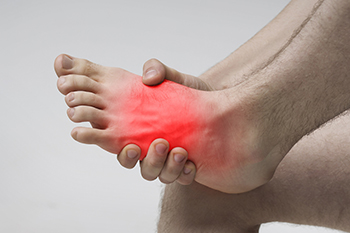
Foot pain can be extremely painful and debilitating. If you have a foot pain, consult with one of our podiatrists from Advanced Foot & Ankle Medical Center . Our doctors will assess your condition and provide you with quality foot and ankle treatment.

Causes

Foot pain is a very broad condition that could be caused by one or more ailments. The most common include:

  • Bunions
  • Hammertoes
  • Plantar Fasciitis
  • Bone Spurs
  • Corns
  • Tarsal Tunnel Syndrome
  • Ingrown Toenails
  • Arthritis (such as Gout, Rheumatoid, and Osteoarthritis)
  • Flat Feet
  • Injury (from stress fractures, broken toe, foot, ankle, Achilles tendon ruptures, and sprains)
  • And more

Diagnosis

To figure out the cause of foot pain, podiatrists utilize several different methods. This can range from simple visual inspections and sensation tests to X-rays and MRI scans. Prior medical history, family medical history, and any recent physical traumatic events will all be taken into consideration for a proper diagnosis.

Treatment

Treatment depends upon the cause of the foot pain. Whether it is resting, staying off the foot, or having surgery; podiatrists have a number of treatment options available for foot pain.

If you have any questions, please feel free to contact our office located in Thousand Oaks, CA . We offer the newest diagnostic and treatment technologies for all your foot care needs.

Read more about Foot Pain

What Causes Foot and Toe Cramps?

Anyone who has been jarred awake in the middle of the night by a toe, foot, or leg cramp knows how uncomfortable that can be. A cramp occurs when a muscle involuntarily contracts and is unable to relax. The intense pain caused by a cramp usually goes away, either on its own or by gently massaging or stretching the muscle that is affected. Athletes are most likely to experience foot and toe cramps after long bouts of exercise or other physical activity. High temperatures can also cause cramps from loss of electrolytes, which is a sign of dehydration. Wearing tight shoes or holding a specific position for a long period can bring on cramps, resulting from restricted blood flow. A more serious cause of cramps is arteriosclerosis, which is a constriction of blood flow to the extremities caused by a blockage in the arteries. In some cases, the cramping may be the result of diabetes, nerve damage, or Parkinson’s disease. Cramps may also be caused by deficiencies in certain minerals, such as potassium, calcium, and magnesium. If lower leg, foot, or toe cramps are becoming a regular occurrence, it is wise to visit a podiatrist for a diagnosis and possible treatment options.

Toe pain can disrupt your daily activities. If you have any concerns, contact one of our podiatrists of Advanced Foot & Ankle Medical Center . Our doctors can provide the care you need to keep you pain-free and on your feet.

What Causes Toe Pain?

Most severe toe pain is caused due to a sports injury, trauma from dropping something heavy on the toe, or bumping into something rigid. Other problems can develop over time for various reasons.

Toe pain can be caused by one or more ailments. The most common include:

  • Trauma
  • Sports injury
  • Wearing shoes that are too tight
  • Arthritis
  • Gout
  • Corns and calluses
  • Hammertoe
  • Bunions
  • Blisters
  • Ingrown toenails
  • Sprains
  • Fractures (broken bones)
  • Dislocations

When to See a Podiatrist

  • Severe pain
  • Persistent pain that lasts more than a week
  • Signs of infection
  • Continued swelling
  • Pain that prevents walking

Diagnosis

In many cases the cause of toe pain is obvious, but in others, a podiatrist may want to use more advanced methods to determine the problem. These can range from simple visual inspections and sensation tests to X-rays and MRI scans. Prior medical history, family medical history, and any recent physical traumatic events will all be taken into consideration for a proper diagnosis.

Treatment

Treatments for toe pain and injuries vary and may include shoe inserts, padding, taping, medicines, injections, and in some cases, surgery. If you believe that you have broken a toe, please see a podiatrist as soon as possible.

If you have any questions please feel free to contact our office located in Thousand Oaks, CA . We offer the newest diagnostic tools and technology to treat your foot and ankle needs.

Read more about Toe Pain

Causes and Prevention of Ankle Pain

The ankle is a complex structure of ligaments, tendons, muscles, and other soft tissues that connect the bones of the feet and the legs. The ankle supports your weight whenever you stand, balance, or move. It helps you flex, extend, and rotate your feet. Pain in the ankles can be caused by many conditions. The most common among them are sprains, fractures, and tendonitis. In addition, ankle pain can be caused by arthritis, bursitis, and flat feet. Among the ways to avoid ankle pain are maintaining a healthy body weight, strengthening the leg and foot muscles, and warming up properly before engaging in strenuous exercise or sports. Further, it is a good idea to wear shoes that support the feet and ankles and that are designed for the sport of activity you are doing. At the first sign of ankle pain, it is recommended that you stop the activity immediately and rest the ankle. If pain persists, if the ankle begins to swell, or if bearing weight becomes a problem, it is wise to consult a podiatrist who can determine the severity of your injury and provide appropriate treatment options.

Ankle pain can be caused by a number of problems and may be potentially serious. If you have ankle pain, consult with one of our podiatrists from Advanced Foot & Ankle Medical Center . Our doctors will assess your condition and provide you with quality foot and ankle treatment.

Ankle pain is any condition that causes pain in the ankle. Due to the fact that the ankle consists of tendons, muscles, bones, and ligaments, ankle pain can come from a number of different conditions.

Causes

The most common causes of ankle pain include:

  • Types of arthritis (rheumatoid, osteoarthritis, and gout)
  • Ankle sprains
  • Broken ankles
  • Achilles tendinitis
  • Achilles tendon rupture
  • Stress fractures
  • Bursitis
  • Tarsal tunnel syndrome
  • Plantar fasciitis

Symptoms

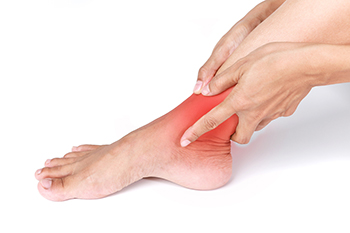
Symptoms of ankle injury vary based upon the condition. Pain may include general pain and discomfort, swelling, aching, redness, bruising, burning or stabbing sensations, and/or loss of sensation.

Diagnosis

Due to the wide variety of potential causes of ankle pain, podiatrists will utilize a number of different methods to properly diagnose ankle pain. This can include asking for personal and family medical histories and of any recent injuries. Further diagnosis may include sensation tests, a physical examination, and potentially x-rays or other imaging tests.

Treatment

Just as the range of causes varies widely, so do treatments. Some more common treatments are rest, ice packs, keeping pressure off the foot, orthotics and braces, medication for inflammation and pain, and surgery.

If you have any questions, please feel free to contact our office located in Thousand Oaks, CA . We offer the newest diagnostic and treatment technologies for all your foot care needs.


Read more about Various Causes of Ankle Pain

Get Proper Treatment for Ankle Injuries

If you're experiencing ankle pain, you may be suffering from an ankle injury. Sprains, fractures, Achilles tendonitis, and Achilles tendon ruptures are just some examples of potential ankle injuries. Don't wait for care for an ankle injury, as it may worsen over time. We can help!

How Is a Broken Ankle Diagnosed and Treated?

The majority of people often notice immediately if they have broken their ankle. There are many moving parts each ankle has, ranging from ligaments and tissues that are connected to the bones. The ankle is key to moving the foot forward, and extreme pain and discomfort may occur if it is broken. Most patients experience symptoms that include swelling, bruising, and redness, and it is often impossible to walk. A protruding bone may happen with a severely broken ankle, and it can look displaced. If this happens, surgery may be necessary to realign the bone back to its natural position. A broken ankle is typically diagnosed by having an X-ray taken. This is a successful method for determining the extent of the fracture. At this point, treatment often begins with placing the foot in a protective boot or cast, which can provide adequate stability as the healing process occurs. A broken ankle can be treated by a podiatrist who can accurately diagnose and treat this condition, and it is strongly suggested that you contact this type of doctor for an appointment.

Broken ankles need immediate treatment. If you are seeking treatment, contact one of our podiatrists from Advanced Foot & Ankle Medical Center . Our doctors can provide the care you need to keep you pain-free and on your feet. 

Broken Ankles
A broken ankle is experienced when a person fractures their tibia or fibula in the lower leg and ankle area. Both of these bones are attached at the bottom of the leg and combine to form what we know to be our ankle.

When a physician is referring to a break of the ankle, he or she is usually referring to a break in the area where the tibia and fibula are joined to create our ankle joint. Ankles are more prone to fractures because the ankle is an area that suffers a lot of pressure and stress. There are some obvious signs when a person experiences a fractured ankle, and the following symptoms may be present.

Symptoms of a Fractured Ankle

  • Excessive pain when the area is touched or when any pressure is placed on the ankle
  •  Swelling around the area
  •  Bruising of the area
  • Area appears to be deformed

If you suspect an ankle fracture, it is recommended to seek treatment as soon as possible. The sooner you have your podiatrist diagnose the fracture, the quicker you’ll be on the way towards recovery.

If you have any questions, please feel free to contact our office located in Thousand Oaks, CA . We offer the newest diagnostic and treatment technologies for all your foot care needs.

Read more about All About Broken Ankle

Ankle Fracture? Don’t Wait for Treatment

If you're suffering from an ankle fracture, professional attention shouldn't wait. Fractures may worsen over time and can make completing everyday activities incredibly difficult. See your podiatrist for treatment and guidance through the healing process.

Strength Training May Help to Prevent Running Injuries

The pandemic may have contributed to the increase in running injuries that have occurred throughout the nation, and this may be a result of gyms that couldn't open. Training may have been compromised, and patients would begin to run on pavement without a proper warm-up or cool-down. Research has shown that it is easier to prevent running injuries than it is to treat them, and this can be accomplished in several ways. It is beneficial to increase speed and distance gradually, which can prepare the body for running longer distances. Stress fractures are a common injury among people who enjoy running, and many people choose to ignore the aches and pains that are associated with this type of injury. It may be prevented by wearing shoes that fit correctly and resting the body for a day between runs. Additionally, running injuries may be avoided by keeping the body strong through strength training, and high repetitions while lifting lighter weights may be effective in achieving this. If you are interested in pursuing running, it is strongly suggested that you speak with a podiatrist who can guide you toward practicing the right running injury prevention techniques. 

All runners should take extra precaution when trying to avoid injury. If you have any concerns about your feet, contact one of our podiatrists of Advanced Foot & Ankle Medical Center . Our doctors will treat your foot and ankle needs.

How to Prevent Running Injuries

There are a lot of mistakes a runner can make prior to a workout that can induce injury. A lot of athletes tend to overstretch before running, instead of saving those workouts for a post-run routine. Deep lunges and hand-to-toe hamstring pulls should be performed after a workout instead of during a warmup. Another common mistake is jumping into an intense routine before your body is physically prepared for it. You should try to ease your way into long-distance running instead of forcing yourself to rush into it.

More Tips for Preventing Injury

  • Incorporate Strength Training into Workouts - This will help improve the body’s overall athleticism
  • Improve and Maintain Your Flexibility – Stretching everyday will help improve overall performance
  • “Warm Up” Before Running and “Cool Down” Afterward – A warm up of 5-10 minutes helps get rid of lactic acid in the muscles and prevents delayed muscle soreness
  • Cross-Training is Crucial
  • Wear Proper Running Shoes
  • Have a Formal Gait Analysis – Poor biomechanics can easily cause injury

If you have any questions, please feel free to contact our office located in Thousand Oaks, CA . We offer the newest diagnostic and treatment technologies for all your foot care needs.

Read more about How to Prevent Running Injuries

Connect With Us

scroll-to-top