Dealing with Stress Fractures of the Foot and Ankle

Stress fractures are small breaks in the bone that are caused by repetitive stress. They typically occur due to overuse, forcing the bones of the foot or ankle to continually absorb the full impact of each step taken. Stress fractures can also be caused by abnormal foot structure, osteoporosis, bone deformities, or wearing improper footwear during exercise.

Stress fractures are common for individuals whose daily activities cause high levels of impact on their feet and ankles. Those who run, play tennis or basketball, or practice gymnastics tend to experience these fractures more frequently. Anyone is susceptible to this problem, though. Individuals who are normally sedentary and suddenly begin an intense, high impact workout may sustain stress fractures. This is because their muscles are not yet strong enough to handle and cushion the intensity of their activity. Osteoporosis may also cause someone to get stress fractures, because the disease weakens an afflicted person's bones and makes it easier for them to break down.

Pain from stress fractures typically occurs in the general area of the fracture. Pain can also manifest as “pinpoint pain” or pain that is felt when the site of the injury is touched, and can be accompanied by swelling. It may occur during or after activity, and it may disappear while resting and return when standing or moving. Engaging in any kind of activity, high impact or otherwise, will aggravate the pain. If the intensity of the activity increases before the stress fracture has properly healed, it can cause a full fracture.

Treatment can vary depending on the individual and the degree of injury. The primary way to treat a stress fracture is to rest the hurt foot. Some fractures will heal quickly with only a little bit of rest, while others may require a long rest period and the use of crutches, immobilization, or physical therapy. Under certain circumstances, surgery may be required to install support pins around the fracture to assist in healing.

If you are undergoing a new exercise regimen in running or some other kind of high impact activity, set incremental goals on a weekly basis so you can build up muscle strength. Make sure to wear supportive shoes to better protect you feet.

If you begin to experience any symptoms of stress fractures, you should stop exercising and rest. If the symptoms persist, consult with your podiatrist. Remembering these tips can help you prevent stress fractures to your foot and ankle, and allow you to continue living normally.
Symptoms May be Gradual With a Stress Fracture

Symptoms May be Gradual With a Stress Fracture

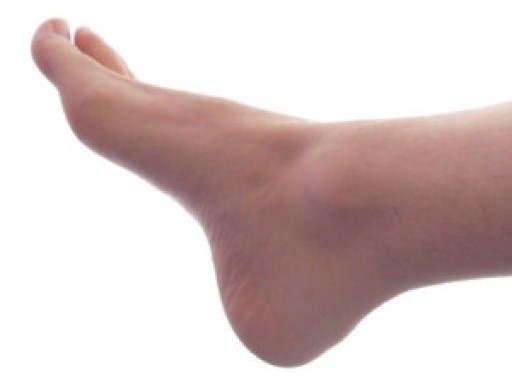
Excess pressure that is exerted on a bone in the foot can lead to a stress fracture. It can develop from practicing high-impact exercise, increasing speed and training too fast, or possible from poor nutrition. This type of injury develops slowly, and symptoms are often ignored. It can become difficult to complete daily activities, and it helps to temporarily stop the activity that caused the injury. After a proper diagnosis is made, which generally occurs when an X-ray is taken, treatment can begin. A walking boot or a cast may be helpful in stabilizing the foot as the healing process takes place. The average time for a stress fracture to heal is four to six weeks, and then a gradual return to the chosen activity is often advised. If you have a stress fracture, please consult with a podiatrist as quickly as possible who can help you with the correct treatment plan.

Activities where too much pressure is put on the feet can cause stress fractures. To learn more, contact one of our podiatrists from Advanced Foot & Ankle Medical Center . Our doctors can provide the care you need to keep your pain free and on your feet.

Dealing with Stress Fractures of the Foot and Ankle

Stress fractures occur in the foot and ankle when muscles in these areas weaken from too much or too little use.  The feet and ankles then lose support when walking or running from the impact of the ground. Since there is no protection, the bones receive the full impact of each step. Stress on the feet can cause cracks to form in the bones, thus creating stress fractures.

What Are Stress Fractures?

Stress fractures occur frequently in individuals whose daily activities cause great impact on the feet and ankles. Stress factors are most common among:

  • Runners                                  
  • People affected with Osteoporosis
  • Tennis or basketball players
  • Gymnasts
  • High impact workouts

Symptoms

Pain from the fractures occur in the area of the fractures and can be constant or intermittent. It will often cause sharp or dull pain with swelling and tenderness. Engaging in any kind of activity which involves high impact will aggravate pain.

If you have any questions please feel free to contact our office located in Thousand Oaks, CA . We offer the newest diagnostic and treatment technologies for all your foot and ankle needs.

Read more about Dealing with Stress Fractures of the Foot and Ankle

Arthritis Can Cause Pain in the Feet and Ankles

Arthritis Can Cause Pain in the Feet and Ankles

If you are suffering from tenderness, pain, or stiffness in the joints of your feet or ankles, call us to schedule an appointment.

Causes, Symptoms, and Treatment for a Broken Foot

Causes, Symptoms, and Treatment for a Broken Foot

The human foot has 26 different bones, and the foot is divided into three parts: the hindfoot, the midfoot, and the forefoot. Each section of the foot is composed of a different amount of bones. For instance, the forefoot is made up of 19 bones. The midfoot is composed of five smaller bones called the navicular, cuboid, and three cuneiform bones. Lastly, the hindfoot is made up of only the talus and the calcaneus. The feet tend to be vulnerable to slipping and twisting; consequently, fractured bones within the foot are common. When a bone gets crushed, bent, twisted, or stretched it may become broken.

Many foot fractures occur through an accident or trauma. More specifically, common causes for broken feet are car accidents, falls, missteps, or overuse. If you have a broken ankle or foot, you may have one or more of the following symptoms: throbbing pain, swelling, bruising, tenderness, deformities, and difficulty walking.

There are some factors that may put you at a higher risk of developing a broken foot. People who participate in high-impact sports are more likely to develop foot fractures because of the stresses, direct blows, and twisting injuries involved in gameplay. Additionally, those who suddenly increase their activity level are more likely to suffer a stress fracture.

Unfortunately, there are different complications that may arise because of a foot fracture. For instance, arthritis may be caused by fractures that extend into the joints. Bone infections are also possible in open fractures due to the bone being exposed to bacteria. However, there are ways you can help prevent yourself from breaking your foot. One way to avoid fractures is to wear proper footwear. If you plan on going on a run, you should wear running shoes. You should also replace your shoes if you notice that they are becoming worn out. For runners, it is best to replace shoes every 300 to 400 miles.

Treatment for foot fractures usually consists of rest, ice, elevation, and compression (RICE). If you plan on wrapping your foot, try not to wrap it too tightly because doing so may cut off blood supply in the foot. You should also avoid walking on the fractured foot.

If you suspect you have a broken foot, you should see your podiatrist right away. It is important that you have someone bring you to your doctor, since driving with a broken foot can be dangerous. You should especially seek urgent care if you are experiencing numbness, pain, or deformities in your foot.

The Jones Fracture

The Jones Fracture

When the bone fractures on the outer edge of the foot, this is known as a Jones fracture. It can be referred to as a 5th metatarsal fracture, and is considered to be a common type of break. It generally happens as a result of tripping on an uneven sidewalk, or twisting the ankle while participating in sporting activities. It causes severe pain and discomfort, and the majority of people who endure this type of fracture cannot walk on the affected foot. After a proper diagnosis is performed, which typically consists of having an X-ray taken, the correct treatment can begin. Many people wear casts or boots for several weeks as the healing process takes place. This enables the patient to walk, while keeping the foot stable. If you have fallen, and think you may have broken your foot, please consult  with a podiatrist as quickly as possible for correct treatment options.

A broken foot requires immediate medical attention and treatment. If you need your feet checked, contact one of our podiatrists from Advanced Foot & Ankle Medical Center . Our doctors can provide the care you need to keep you pain-free and on your feet.

Broken Foot Causes, Symptoms, and Treatment

A broken foot is caused by one of the bones in the foot typically breaking when bended, crushed, or stretched beyond its natural capabilities. Usually the location of the fracture indicates how the break occurred, whether it was through an object, fall, or any other type of injury. 

Common Symptoms of Broken Feet:

  • Bruising
  • Pain
  • Redness
  • Swelling
  • Blue in color
  • Numbness
  • Cold
  • Misshapen
  • Cuts
  • Deformities

Those that suspect they have a broken foot shoot seek urgent medical attention where a medical professional could diagnose the severity.

Treatment for broken bones varies depending on the cause, severity and location. Some will require the use of splints, casts or crutches while others could even involve surgery to repair the broken bones. Personal care includes the use of ice and keeping the foot stabilized and elevated.

If you have any questions please feel free to contact our office located in Thousand Oaks, CA . We offer the newest diagnostic and treatment technologies for all your foot and ankle needs.

Read more about Causes, Symptoms, and Treatment for a Broken Foot

Flatfoot

Flatfoot

Flatfoot is a foot disorder that is not as straightforward as many people believe.  Various types of flatfoot exist, each with their own varying deformities and symptoms.  The partial or total collapse of the arch, however, is a characteristic common to all types of flatfoot.  Other signs of flatfoot include:

  • “Toe drift,” or the pointing outward of the toes and the front part of the foot
  • The tilting outward of the heel and the tilting inward of the ankle
  • The lifting of the heel off the ground earlier when walking due to a tight Achilles tendon
  • Hammertoes
  • Bunions

One of the most common types of flatfoot is flexible flatfoot.  This variation usually starts in childhood and progresses as one ages into adulthood.  Flexible flatfoot presents as a foot that is flat when standing, or weight-bearing.  When not standing, the arch returns.  Symptoms of flexible flatfoot include:

  • Pain located in the heel, arch, ankle, or along the outside of the foot
  • Overpronation, or an ankle that rolls in
  • Shin splint, or pain along the shin bone
  • General foot aches or fatigue
  • Pain located in the lower back, hip, or knee

Your podiatrist will most likely diagnose flatfoot by examining your feet when you stand and sit.  X-rays may be taken to define the severity and help determine the treatment option best for your condition.  Nonsurgical treatments can include activity modification, weight loss, orthotics, immobilization, medications, physical therapy, shoe modifications, and ankle foot orthoses (AFO) devices.  If nonsurgical methods prove ineffective, surgery may be considered.  Multiple surgical procedures can correct flatfoot; and depending on your specific condition, one may be selected alone or combined with other techniques to ensure optimal results.

Supportive Shoes and Exercise May Help Flat Feet

Supportive Shoes and Exercise May Help Flat Feet

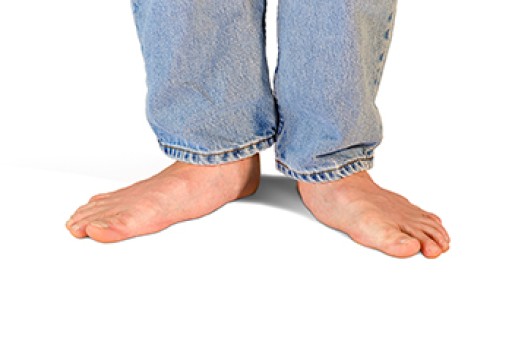
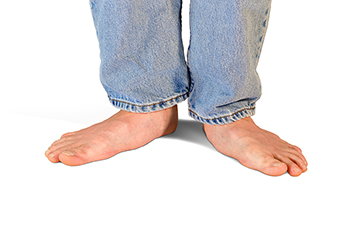
When a patient talks about having fallen arches, they are referring to the condition that is known as flat feet. This is noticeable while standing on the floor, and both feet lie completely flat. There are several reasons why this ailment may occur, including genetics, an injury to the foot or ankle, or medical conditions that can include arthritis. Additionally, obesity, diabetes, and the aging process may cause flat feet. A common symptom many patients notice is foot pain. This can be a result of strained ligaments and muscles this condition may cause. Relief may be found when supportive shoes are worn, and it may help to practice specific exercises. If you have flat feet, it is suggested that you speak with a podiatrist who can guide you toward relief processes.

Flatfoot is a condition many people suffer from. If you have flat feet, contact one of our podiatrists from Advanced Foot & Ankle Medical Center . Our doctors will treat your foot and ankle needs.

What Are Flat Feet?

Flatfoot is a condition in which the arch of the foot is depressed and the sole of the foot is almost completely in contact with the ground. About 20-30% of the population generally has flat feet because their arches never formed during growth.

Conditions & Problems:

Having flat feet makes it difficult to run or walk because of the stress placed on the ankles.

Alignment – The general alignment of your legs can be disrupted, because the ankles move inward which can cause major discomfort.

Knees – If you have complications with your knees, flat feet can be a contributor to arthritis in that area.  

Symptoms

  • Pain around the heel or arch area
  • Trouble standing on the tip toe
  • Swelling around the inside of the ankle
  • Flat look to one or both feet
  • Having your shoes feel uneven when worn

Treatment

If you are experiencing pain and stress on the foot you may weaken the posterior tibial tendon, which runs around the inside of the ankle. 

If you have any questions please feel free to contact our office located in Thousand Oaks, CA . We offer the newest diagnostic and treatment technologies for all your foot and ankle needs.

Read more about Flatfoot

Understanding Corns and Calluses

Corns and Calluses are both hardened layers of thickened skin that develop because of friction. Both ailments are typically found on the feet and may be unsightly. Although they have similarities, corns and calluses are different from each other.

Some causes of corns and calluses may be wearing ill-fitting shoes and not wearing socks. If you wear tight shoes, your feet will constantly be forced to rub against the shoes, causing friction. If you fail to wear socks, you are also causing your feet to endure excess friction.

There are some signs that may help you determine whether you have one of these two conditions. The first symptom is a thick, rough area of skin. Another common symptom is a hardened, raised bump on the foot. You may also experience tenderness or pain under the skin in addition to flaky, dry, or waxy skin.

There are also risk factors that may make someone more prone to developing corns and calluses. If you are already dealing with bunions or hammertoe, you may be more vulnerable to having corns and calluses as well. Other risk factors are foot deformities such as bone spurs, which can cause constant rubbing inside the shoe.

Corns tend to be smaller than calluses and they usually have a hard center surrounded by inflamed skin. They also tend to develop on the parts of the body that don’t bear as much weight such as the tops and sides of toes. Corns may also be painful for those who have them. On the other hand, calluses are rarely painful. These tend to develop on the bottom of the feet and may vary in size and shape.

Fortunately, most people only need treatment for corns and calluses if they are experiencing discomfort. At home treatments for corns and calluses should be avoided, because they will likely lead to infection. If you have either of these ailments it is advised that you consult with your podiatrist to determine the best treatment option for you.

What to Do When You Have a Corn on Your Foot

What to Do When You Have a Corn on Your Foot

Corns are like calluses in that they develop from friction on the skin. They are hard, thick patches of skin that usually occur on the feet. Though corns are not serious, they can become irritated and painful. Different types of corns can develop on the feet – hard (the most common), soft, and seed corns. Hard corns are hard, as the name implies, and usually occur on wider areas of thick skin. Soft corns are more likely to be rubbery in texture, are white or gray in color, and are more apt to develop between toes. Seed corns are usually found on the bottom of the foot. Each of these types of corns can hurt as they thicken. Treatment for corns is often as simple as eliminating the source of friction that caused them in the first place. Make sure shoes and socks fit well and are not too loose or tight, trim toenails regularly so they do not push toes up against shoes and moisturize feet to prevent dry skin. If a corn develops, corn pads help to protect from irritation at its site. If a corn is unusually painful, does not go away, or seems infected, or if you have another physical condition that can lead to a greater problem (such as diabetes or peripheral arterial disease), a visit to a podiatrist is suggested for proper evaluation and treatment.


If you have any concerns regarding your feet and ankles, contact one of our podiatrists of Advanced Foot & Ankle Medical Center . Our doctors will treat your foot and ankle needs.

Corns: What Are They? and How Do You Get Rid of Them?
Corns can be described as areas of the skin that have thickened to the point of becoming painful or irritating. They are often layers and layers of the skin that have become dry and rough, and are normally smaller than calluses.

Ways to Prevent Corns
There are many ways to get rid of painful corns such as wearing:

  • Well-fitting socks
  • Comfortable shoes that are not tight around your foot
  • Shoes that offer support

Treating Corns
Treatment of corns involves removing the dead skin that has built up in the specific area of the foot. Consult with Our doctors to determine the best treatment option for your case of corns.

If you have any questions please feel free to contact our office located in Thousand Oaks, CA . We offer the newest diagnostic and treatment technologies for all your foot and ankle needs.

Read more about Understanding Corns and Calluses

What Are Bunions?

Bunions are large bony bumps at the base of the big toe. Medically known as hallux valgus, a bunion is a misalignment of the metatarsophalangeal joint, or big toe joint. The misalignment will generally worsen with time if left untreated.

The exact cause of bunions is unknown, with genetics seen as a potential cause. High heels and poorly-fitted footwear, rheumatoid arthritis, and heredity all seem to be potential factors behind the exacerbation of bunions. Women have been found to be more likely to develop bunions in comparison to men.

Bunions do not always produce symptoms. The best way to tell is if the big toe is pushing up against the next toe and there is a large protrusion at the base of the big toe. You may or may not feel pain. Redness, swelling, and restricted movement of the big toe may be present as well.

Podiatrists use a variety of methods to diagnose bunions. If there are symptoms present, podiatrists will first consider that it is a bunion. If not, a physical examination will be conducted to check function of the big toe. Finally, an X-ray may be taken to view the extent of the bunion and confirm it is a bunion.

Typically, nonsurgical methods are used to treat bunions, unless the bunion has become too misaligned. Orthotics, icing and resting the foot, roomier and better fitted shoes, taping the foot, and pain medication are usually utilized first. If the bunion doesn’t go away or causes extreme pain, surgery may be required. Surgeons will either remove part of the swollen tissue or bone to straighten the toe out.

If you have a bunion, it is recommended to see a podiatrist. The longer it is left untreated, the worse it may get. Podiatrists can properly diagnose and treat a bunion before it gets worse.

Connect With Us

scroll-to-top