What Is a Bunion?

What Is a Bunion?

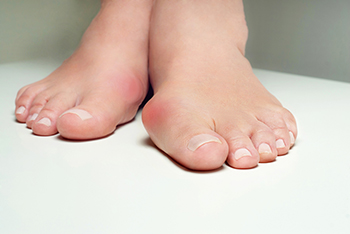
A bunion forms when bones in the front of the foot move and the big toe leans inward towards the smaller toes. The result of this process is a bony bump on the joint at the base of the big toe. The skin over the bump or bunion may be swollen, painful, and red and movement of the big toe may be limited. Bunions are often formed by the inherited structure of one’s foot, a foot problem or injury, or another physical condition, like arthritis. Tight, narrow shoes or high-heeled shoes can irritate bunions and aggravate all symptoms. Bunionettes are smaller bunions that form on the joint of the little toe. Because bunions can lead to other foot conditions, it is important to see a qualified podiatrist for proper diagnosis and treatment.


If you are suffering from bunions, contact one of our podiatrists of Advanced Foot & Ankle Medical Center . Our doctors can provide the care you need to keep you pain-free and on your feet.

What Is a Bunion?

A bunion is formed of swollen tissue or an enlargement of boney growth, usually located at the base joint of the toe that connects to the foot. The swelling occurs due to the bones in the big toe shifting inward, which impacts the other toes of the foot. This causes the area around the base of the big toe to become inflamed and painful.

Why Do Bunions Form?

Genetics – Susceptibility to bunions are often hereditary

Stress on the feet – Poorly fitted and uncomfortable footwear that places stress on feet, such as heels, can worsen existing bunions

How Are Bunions Diagnosed?

Doctors often perform two tests – blood tests and x-rays – when trying to diagnose bunions, especially in the early stages of development. Blood tests help determine if the foot pain is being caused by something else, such as arthritis, while x-rays provide a clear picture of your bone structure to your doctor.

How Are Bunions Treated?

  • Refrain from wearing heels or similar shoes that cause discomfort
  • Select wider shoes that can provide more comfort and reduce pain
  • Anti-inflammatory and pain management drugs
  • Orthotics or foot inserts
  • Surgery

If you have any questions, please feel free to contact our office located in Thousand Oaks, CA . We offer the newest diagnostic and treatment technologies for all your foot care needs.


Read more about What Are Bunions?

Gout Pain Can Be Managed

Gout Pain Can Be Managed

Gout is a painful, inflammatory form of arthritis. Those affected will typically feel an intense stiffness in the joints of their feet, particularly in the big toe. Schedule a visit to learn about how gout can be managed and treated.

Foot Pain

The feet, being the foundation of the body, carry all of the body’s weight and are therefore prone to experiencing pain and discomfort. If you are experiencing foot pain, it is important to determine where in the foot you are experiencing this pain to help discover the cause of it. While pain can be experienced virtually anywhere in the foot, the most common sites of foot pain are in the heel and ankle.   

Heel pain can be due to a multitude of conditions including plantar fasciitis, Achilles tendinitis, and heel spurs. Pain experienced in the ankle can be a sign of an ankle sprain, arthritis, gout, ankle instability, ankle fracture, or nerve compression. In more serious cases, pain in the foot can be a sign of improper alignment or an infection.

Foot pain can be accompanied by symptoms including redness, swelling, stiffness and warmth in the affected area. Whether the pain can be described as sharp or dull depends on the foot condition behind it. It is important to visit your local podiatrist if your foot pain and its accompanying symptoms persist and do not improve over time.

Depending on the location and condition of your foot pain, your podiatrist may prescribe certain treatments. These treatments can include but are not limited to prescription or over-the-counter drugs and medications, certain therapies, cortisone injections, or surgery.

If you are experiencing persistent foot pain, it is important to consult with your foot and ankle doctor to determine the cause and location. He or she will then prescribe the best treatment for you. While milder cases of foot pain may respond well to rest and at-home treatments, more serious cases may take some time to fully recover.

Why Do I Have Nighttime Pain In My Feet?

Why Do I Have Nighttime Pain In My Feet?

There are several conditions that cause foot pain that worsens in the evening or interrupts sleep. Fibromyalgia is a chronic condition causing musculoskeletal pain, burning, tenderness, and tightness which often occurs in the feet. These symptoms can be worse in the evening due to decreased levels of cortisol. Tarsal tunnel syndrome is a condition where the tibial nerve in your ankle becomes compressed, causing pain, numbness, tingling, or a pins and needles sensation in your feet that may flare up at night. Bony bunions that get irritated rubbing against shoes during the day are often sore at night and throb. Peripheral neuropathy (damage to nerves outside of the central nervous system) can cause painful sensations such as tingling, burning or sharp pains, which tend to intensify due to cooler nighttime temperatures. If you are experiencing any type of nighttime pain or discomfort in your feet or ankles, it is suggested that you get your condition diagnosed and treated by a podiatrist.


Foot Pain

Foot pain can be extremely painful and debilitating. If you have a foot pain, consult with one of our podiatrists from Advanced Foot & Ankle Medical Center . Our doctors will assess your condition and provide you with quality foot and ankle treatment.

Causes

Foot pain is a very broad condition that could be caused by one or more ailments. The most common include:

  • Bunions
  • Hammertoes
  • Plantar Fasciitis
  • Bone Spurs
  • Corns
  • Tarsal Tunnel Syndrome
  • Ingrown Toenails
  • Arthritis (such as Gout, Rheumatoid, and Osteoarthritis)
  • Flat Feet
  • Injury (from stress fractures, broken toe, foot, ankle, Achilles tendon ruptures, and sprains)
  • And more

Diagnosis

To figure out the cause of foot pain, podiatrists utilize several different methods. This can range from simple visual inspections and sensation tests to X-rays and MRI scans. Prior medical history, family medical history, and any recent physical traumatic events will all be taken into consideration for a proper diagnosis.

Treatment

Treatment depends upon the cause of the foot pain. Whether it is resting, staying off the foot, or having surgery; podiatrists have a number of treatment options available for foot pain.

If you have any questions, please feel free to contact our office located in Thousand Oaks, CA . We offer the newest diagnostic and treatment technologies for all your foot care needs.

Read more about Foot Pain

Ankle Pain

Ankle Pain

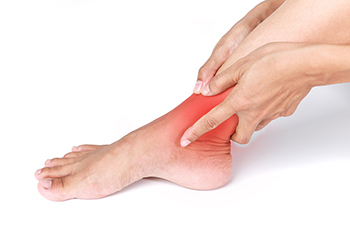
The ankle joint is the point at which the bones of the leg and foot join. This joint is crucial because it is responsible for the foot’s mobility. Ankle pain is typically the result of inflammation from an injury to bones, joint space, cartilage, ligaments, tendons, or muscles in the area. Commonly associated symptoms with ankle pain are bruising, redness, numbness, stiffness, weakness, and tingling.

The most common causes of ankle pain are sprains and injuries. Ankle sprains are one of the most common musculoskeletal injuries. Sprains occur when the ligaments of the ankle become partially or completely torn due to sudden stretching. Sprains can occur on either the inner or outer sides of the ankle joint. Usually, these injuries occur when the ankle is twisted in an activity by stepping off an uneven surface. More specific causes include rheumatoid arthritis, gout, osteoarthritis, and Achilles tendonitis.

If you are experiencing ankle pain, you should consult with your podiatrist to choose the best method of care. Your doctor will conduct an examination of your ankle to determine the underlying cause of the pain.

Your Ankle Pain May Be Caused by a Ganglion Cyst

Your Ankle Pain May Be Caused by a Ganglion Cyst

A ganglion cyst is a benign, fluid-filled mass that develops near a joint capsule or the thin layer of tissue surrounding a tendon. When ganglion cysts develop in the feet, they can occur in the ankle or top of the foot. Ganglion cysts usually present as a visible lump on the outside of the skin, and can cause a dull ache or pain—especially if the cyst is pressing on a joint or tendon, or is being irritated by footwear. In some cases, a ganglion cyst may be caused by some sort of trauma, however the exact cause of these bothersome growths is not always known. Because ganglion cysts sometimes disappear on their own, your podiatrist may determine that monitoring the cyst for a period of time may be the best initial approach. However, if the pain and discomfort are severe, or you have had the cyst for a while, your podiatrist may suggest other treatments such as modifications to footwear, aspirating the cyst and injecting it with steroids, or even surgery if more conservative treatment options don't provide relief or the cyst returns.

Ankle pain can have many different causes and the pain may potentially be serious. If you have ankle pain, consult with one of our podiatrists from Advanced Foot & Ankle Medical Center . Our doctors will assess your condition and provide you with quality foot and ankle treatment.

Ankle pain is any condition that causes pain in the ankle. Due to the fact that the ankle consists of tendons, muscles, bones, and ligaments, ankle pain can come from a number of different conditions.

Causes

The most common causes of ankle pain include:

  • Types of arthritis (rheumatoid, osteoarthritis, and gout)
  • Ankle sprains
  • Broken ankles
  • Achilles tendinitis
  • Achilles tendon rupture
  • Stress fractures
  • Tarsal tunnel syndrome
  • Plantar fasciitis

Symptoms

Symptoms of ankle injury vary based upon the condition. Pain may include general pain and discomfort, swelling, aching, redness, bruising, burning or stabbing sensations, and/or loss of sensation.

Diagnosis

Due to the wide variety of potential causes of ankle pain, podiatrists will utilize a number of different methods to properly diagnose ankle pain. This can include asking for personal and family medical histories and of any recent injuries. Further diagnosis may include sensation tests, a physical examination, and potentially x-rays or other imaging tests.

Treatment

Just as the range of causes varies widely, so do treatments. Some more common treatments are rest, ice packs, keeping pressure off the foot, orthotics and braces, medication for inflammation and pain, and surgery.

If you have any questions, please feel free to contact our office located in Thousand Oaks, CA . We offer the newest diagnostic and treatment technologies for all your foot care needs.

 

Read more about Ankle Pain

Vascular Testing in Podiatry

Vascular Testing in Podiatry

In foot care, vascular testing may be required in the diagnosing and treatment of certain podiatric conditions. Vascular testing is particularly relevant for patients with high-risk diabetes, poor circulation, peripheral artery disease (PAD), and chronic venous insufficiency (CVI). Procedures typically involve the examination of blood vessels throughout the body for blockages or buildup.

Vascular testing is very important for the diagnosis of various conditions, including peripheral artery disease and chronic venous insufficiency, as these conditions can greatly affect one’s quality of life and cause pain in the lower limbs. Circulatory problems in the feet and ankles can reflect issues throughout the body, making testing of the blood vessels pertinent.

Testing methods vary between practitioners and can be specific to certain foot and ankle problems. Modern technology has brought about the ability to perform vascular testing using non-invasive methods, such as the cuff-based PADnet testing device. This device records the Ankle-Brachial Index (ABI)/Toe-Brachial Index (TBI) values and Pulse Volume Recording (PVR) waveforms. Contact your podiatrist to determine what vascular testing is available for your needs.

Ultrasounds Can Help Spot Chronic Venous Insufficiency

Ultrasounds Can Help Spot Chronic Venous Insufficiency

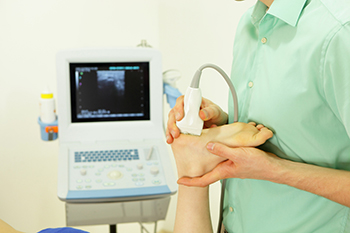
Chronic venous insufficiency is a condition in which the walls and valves of veins in the lower limbs do not function properly. This causes excessive pooling of blood in the lower limbs, resulting in heaviness, tension, swelling, aching, and cramping in the lower legs. One way to diagnose chronic venous insufficiency is through a venous Doppler ultrasound, which uses sound waves to show what the blood flow in the lower legs looks like. Ultrasounds are fast, safe, painless, and provide a great deal of data to help your doctor determine the correct diagnosis and monitor the health of your lower limbs. For more information about chronic venous insufficiency, please consult with a podiatrist. 

Vascular testing plays an important part in diagnosing disease like peripheral artery disease. If you have symptoms of peripheral artery disease, or diabetes, consult with one of our podiatrists from Advanced Foot & Ankle Medical Center . Our doctors will assess your condition and provide you with quality foot and ankle treatment.

What Is Vascular Testing?

Vascular testing checks for how well blood circulation is in the veins and arteries. This is most often done to determine and treat a patient for peripheral artery disease (PAD), stroke, and aneurysms. Podiatrists utilize vascular testing when a patient has symptoms of PAD or if they believe they might. If a patient has diabetes, a podiatrist may determine a vascular test to be prudent to check for poor blood circulation.

How Is it Conducted?

Most forms of vascular testing are non-invasive. Podiatrists will first conduct a visual inspection for any wounds, discoloration, and any abnormal signs prior to a vascular test.

 The most common tests include:

  • Ankle-Brachial Index (ABI) examination
  • Doppler examination
  • Pedal pulses

These tests are safe, painless, and easy to do. Once finished, the podiatrist can then provide a diagnosis and the best course for treatment.

If you have any questions, please feel free to contact our office located in Thousand Oaks, CA . We offer the newest diagnostic and treatment technologies for all your foot care needs.


Read more about Vascular Testing in Podiatry

Sesamoiditis

Sesamoiditis

Sesamoiditis is a condition in which the sesamoid bones in the forefoot become inflamed from physical activity. Sesamoid bones are bones that are not connected to other bones but are located in tendons or muscle. Two of these sesamoid bones are very small and located on the underside of the foot near the big toe. Athletes such as runners, baseball and football players, and dancers are likely to experience sesamoiditis. Those with high arched feet, flat feet, or runners who run on the ball of their foot are also prone to suffer from sesamoiditis.

Symptoms include pain or throbbing on the ball of the foot near the big toe. The pain generally starts with a mild throbbing but gradually builds up to shooting pain. Bruising, swelling, and redness are possible, but in most cases, these symptoms are not present. However, moving the big toe can result in pain and difficulty.

To conduct a diagnosis, the podiatrist will examine the ball of the foot and big toe. They will look for any outliers and check the movement of the toe. X-rays will be taken to rule out any other conditions and ensure that it is sesamoiditis.

Treatment for sesamoiditis is generally mild and includes rest, anti-inflammatory and pain medication, and ice treatments to deal with the swelling and pain. Orthotics may be needed with people who have flat or high arched feet to relieve pressure off the bones. In some cases the toe will be taped and immobilized to allow healing. The podiatrist may also decide to use a steroid injection to help with swelling as well. If you have sesamoiditis, you shouldn’t engage in any intensive activity, as it may inflame the area and worsen your pain. If the sesamoid bone has fractured, surgery may be required to remove the sesamoid bone.

If you are suffering from sesamoiditis or are experiencing symptoms similar to sesamoiditis, you should stop all physical activity that puts strain on the area. Furthermore you should see a podiatrist for a diagnosis to see if you have sesamoiditis.

Chronic Dull Pain Under Your Big Toe Joint

Chronic Dull Pain Under Your Big Toe Joint

Joints predominantly connect bones with each other. Sesamoid bones, however, do not connect to other bones; they are small, oval shaped bones embedded within tendons. Sesamoid bones are found in the knees and hands, and two are located underneath the big toe joint of the foot. This pair of hardworking sesamoids plays a vital role in bearing weight and movement. Sesamoids help the big toe move and push off forcefully when walking and running, and they act as shock absorbers for the long metatarsal bone in the forefoot that attaches to the big toe. Physical activities such as football, basketball, running, tennis and ballet can apply excessive pressure on the ball of the foot and cause various injuries to the sesamoids and surrounding tissue and tendons. Sesamoiditis is one such injury. Sesamoiditis is a chronic inflammation of the sesamoid bones and tendons that can produce a fluctuating dull pain under the big toe joint. There are several types of treatment—both conservative and surgical (if necessary)—that your podiatrist can go over with you if you are diagnosed with sesamoiditis.

Sesamoiditis is an unpleasant foot condition characterized by pain in the balls of the feet. If you think you’re struggling with sesamoiditis, contact one of our podiatrists of Advanced Foot & Ankle Medical Center . Our doctors will treat your condition thoroughly and effectively.

Sesamoiditis

Sesamoiditis is a condition of the foot that affects the ball of the foot. It is more common in younger people than it is in older people. It can also occur with people who have begun a new exercise program, since their bodies are adjusting to the new physical regimen. Pain may also be caused by the inflammation of tendons surrounding the bones. It is important to seek treatment in its early stages because if you ignore the pain, this condition can lead to more serious problems such as severe irritation and bone fractures.

Causes of Sesamoiditis

  • Sudden increase in activity
  • Increase in physically strenuous movement without a proper warm up or build up
  • Foot structure: those who have smaller, bonier feet or those with a high arch may be more susceptible

Treatment for sesamoiditis is non-invasive and simple. Doctors may recommend a strict rest period where the patient forgoes most physical activity. This will help give the patient time to heal their feet through limited activity. For serious cases, it is best to speak with your doctor to determine a treatment option that will help your specific needs.

If you have any questions please feel free to contact our office located in Thousand Oaks, CA . We offer the newest diagnostic and treatment technologies for all your foot and ankle needs.

Read more about Sesamoiditis

Connect With Us

scroll-to-top