Exercises That Can Help to Strengthen the Feet

Exercises That Can Help to Strengthen the Feet

The easiest way to strengthen the feet is by exercising. There are specific foot stretches and exercises that can enhance the overall foot when frequently practiced. The feet are the foundation of the body and are often forgotten about during strength training routines. There are two categories of muscles that are found in each foot. The muscles that are responsible for maintaining the arch and aid in shock absorption are referred to as the intrinsic foot muscles. The ankle is moved, and the toes are flexed and pointed by engaging the global lower limb muscles. The toes can be strengthened by performing toe curls which are done by stepping on a towel and picking it up with the toes. The arch can become stronger by sitting in a chair while trying to shorten the foot by bringing the ball of the foot toward the heel. If you would like additional information about the benefits of exercising your feet, please confer with a podiatrist.

Exercising your feet regularly with the proper foot wear is a great way to prevent injuries and build strength. If you have any concerns about your feet, contact one of our podiatrists from Advanced Foot & Ankle Medical Center . Our doctors can provide the care you need to keep you pain-free and on your feet.

Exercise for Your Feet

Exercise for your feet can help you gain strength, mobility and flexibility in your feet. They say that strengthening your feet can be just as rewarding as strengthening another part of the body. Your feet are very important, and we often forget about them in our daily tasks. But it is because of our feet that are we able to get going and do what we need to. For those of us fortunate enough to not have any foot problems, it is an important gesture to take care of them to ensure good health in the long run.

Some foot health exercises can include ankle pumps, tip-toeing, toe rises, lifting off the floor doing reps and sets, and flexing the toes. It is best to speak with Our doctors to determine an appropriate regimen for your needs. Everyone’s needs and bodies are different, and the activities required to maintain strength in the feet vary from individual to individual. 

Once you get into a routine of doing regular exercise, you may notice a difference in your feet and how strong they may become.

If you have any questions please feel free to contact our office located in Thousand Oaks, CA . We offer the newest diagnostic and treatment technologies for all your foot and ankle needs.
Read more about Exercise for Your Feet

Toenail Fungus

Toenail Fungus

Toenail fungus is a frustrating problem that affects many people. It can be persistent and hard to get rid of. As many different types of fungi are present throughout the environment, it is very easy to contract toenail fungus.  

The feet are especially susceptible to toenail fungus because shoes and socks create the ideal dark and moist environment that fungal infections thrive in. While fungal infections of the nail plate are quite common, if left untreated they can spread beyond the toenail and into the skin and other parts of the body.

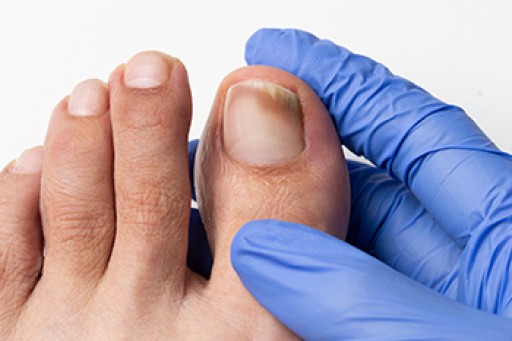
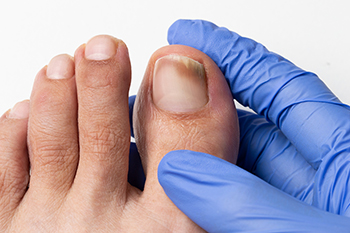
Signs of toenail fungus include a thickened nail that has become yellow or brown in color, a foul smell, and debris beneath the nail. The toe may become painful due to the pressure of a thicker nail or the buildup of debris.

Treatment for toenail fungus is most effective during the early stages of an infection. If there is an accumulation of debris beneath the nail plate, an ingrown nail or a more serious infection can occur. While each treatment varies between patients, your podiatrist may prescribe you oral medications, topical liquids and creams, or laser therapy. To determine the best treatment process for you, be sure to visit your podiatrist at the first signs of toenail fungus.

Do You Have Ugly Toenails?

Do You Have Ugly Toenails?

If you have ugly toenails, the cause might be toenail fungus. Many adults have it, particularly as one ages. This unsightly condition is especially common among those who go barefoot in public swimming areas, locker rooms, and who sweat inside their shoes for many hours in a day. The medical term for toenail fungus is onychomycosis. It is a condition that generally starts out as a white or yellow spot under the nail. While it is easy to ignore in the beginning stages, the toenail later begins to thicken, discolor, and crumble. The longer you wait to treat this, the longer it takes to get rid of it. The fungus that causes toenails to be affected is the same type of fungus that causes athlete’s foot. The two can happen concurrently if the fungus affects the skin around the infected nail. The toenail also may become painful and emit a foul odor. Those with diabetes or a suppressed immune system need to be especially cautious of toenail fungus because it can affect the blood circulation to the feet. If you suspect that you have toenail fungus, it is suggested that you see a podiatrist as soon as possible so that the condition can be treated before it spreads or becomes entrenched to the point of taking years to heal.

If left untreated, toenail fungus may spread to other toenails, skin, or even fingernails. If you suspect you have toenail fungus it is important to seek treatment right away. For more information about treatment, contact one of our podiatrists of Advanced Foot & Ankle Medical Center . Our doctors can provide the care you need to keep you pain-free and on your feet.

Symptoms

  • Warped or oddly shaped nails
  • Yellowish nails
  • Loose/separated nail
  • Buildup of bits and pieces of nail fragments under the nail
  • Brittle, broken, thickened nail

Treatment

If self-care strategies and over-the-counter medications does not help your fungus, your podiatrist may give you a prescription drug instead. Even if you find relief from your toenail fungus symptoms, you may experience a repeat infection in the future.

Prevention

In order to prevent getting toenail fungus in the future, you should always make sure to wash your feet with soap and water. After washing, it is important to dry your feet thoroughly especially in between the toes. When trimming your toenails, be sure to trim straight across instead of in a rounded shape. It is crucial not to cover up discolored nails with nail polish because that will prevent your nail from being able to “breathe”.

In some cases, surgical procedure may be needed to remove the toenail fungus. Consult with your podiatrist about the best treatment options for your case of toenail fungus.  

If you have any questions, please feel free to contact our office located in Thousand Oaks, CA . We offer the newest diagnostic and treatment technologies for all your foot care needs.


Read more about Toenail Fungus

Gait Changes Caused By High Heels

Gait Changes Caused By High Heels

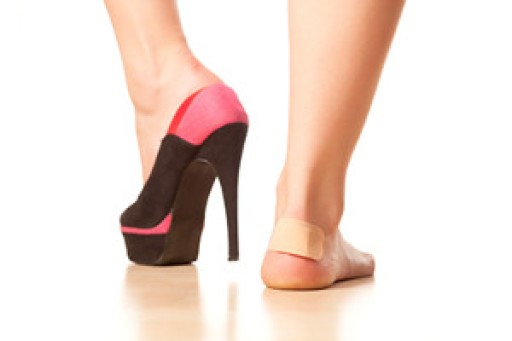
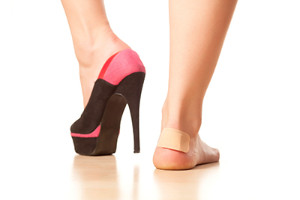
Many women wear high heels as a fashion statement and to increase their height. While these are certainly two important benefits of wearing high heels, there are also many risks. One potential risk of wearing high-heeled shoes is that it might detrimentally alter one’s gait, or walking pattern. For example, women who wear high heels sometimes exhibit shorter gait patterns and unconsciously point their toes. As a result, the gaits of these women exert more pressure on the calf muscles and can ultimately facilitate strain on the feet. Some women who wear high heels might even demonstrate these gait changes when they are not wearing high heels, such as when they are walking barefoot or in a pair of flats. Of course, sometimes wearing high heels can be an unavoidable choice. However, there are several things one might do to mitigate the extent to which high heels can change the gait. Namely, someone might limit the time that high heels are worn throughout the day and set a limit on the number of days in the week in which these shoes are worn. Contact a podiatrist for more information about how high heels can alter your gait.

High heels have a history of causing foot and ankle problems. If you have any concerns about your feet or ankles, contact one of our podiatrists from Advanced Foot & Ankle Medical Center . Our doctors can provide the care you need to keep you pain-free and on your feet.

Effects of High Heels on the Feet

High heels are popular shoes among women because of their many styles and societal appeal.  Despite this, high heels can still cause many health problems if worn too frequently.

Which Parts of My Body Will Be Affected by High Heels?

  • Ankle Joints
  • Achilles Tendon – May shorten and stiffen with prolonged wear
  • Balls of the Feet
  • Knees – Heels cause the knees to bend constantly, creating stress on them
  • Back – They decrease the spine’s ability to absorb shock, which may lead to back pain.  The vertebrae of the lower back may compress.

What Kinds of Foot Problems Can Develop from Wearing High Heels?

  • Corns
  • Calluses
  • Hammertoe
  • Bunions
  • Morton’s Neuroma
  • Plantar Fasciitis

How Can I Still Wear High Heels and Maintain Foot Health?

If you want to wear high heeled shoes, make sure that you are not wearing them every day, as this will help prevent long term physical problems.  Try wearing thicker heels as opposed to stilettos to distribute weight more evenly across the feet.  Always make sure you are wearing the proper shoes for the right occasion, such as sneakers for exercising.  If you walk to work, try carrying your heels with you and changing into them once you arrive at work.  Adding inserts to your heels can help cushion your feet and absorb shock. Full foot inserts or metatarsal pads are available. 

If you have any questions please feel free to contact our office located in Thousand Oaks, CA . We offer the newest diagnostic and treatment technologies for all your foot and ankle needs.
Read more about Effect of High Heels on the Feet

Effect of High Heels on the Feet

High heels are uncomfortable, but many women sacrifice comfort to be stylish. There are many problems that stem from wearing high heels, however these issues can be avoided by wearing proper shoes.

Heels are bad because they push your weight forward toward the fall of the foot. The higher the heel is, the more weight and pressure get shifted. This process causes the back to hyperextend backwards to counterbalance which may cause pain in the leg, hip, and back. Consequently, major posture problems may occur, and these issues may eventually become permanent.

Wearing high heels is one of the leading cause of ingrown toenails. Heels create a great deal of pressure on the big toenails which disrupts proper toenail growth. This may eventually lead to the big toenail growing into the skin.  Another common problem that stems from high heels is bunions. If bunions go untreated, they can cause serious scar tissue to form along with severe pain.

However, there are ways to minimize the harmful risks associated with wearing heels. You should try to massage and stretch your legs and feet after wearing heels for an extended time. Stretching helps prevent the Achilles tendons and calf muscles from becoming too tight. A good substitute for heels are platforms which provide a better surface area to evenly distribute the body’s weight.

If you are experiencing any painful foot conditions from wearing high heels, you should consult with your podiatrist right away.

Stretching Your Feet

Debilitating foot pain is a problem for many people. But just as stretching the torso can help alleviate back pain, stretching the feet can also help mend existing foot problems and prevent future ones.

The feet, as the body’s foundation, carry the body’s entire weight and can get easily strained from overexertion. Persistent sharp pain and cramping in the feet are often common concerns. Foot pain and foot problems can be due to any number of causes, and in many cases pain may be eased without medication or doctor visits. It is always a good idea, however, to first rule out any serious medical issues with a physician.

Stretching can help relax the feet and alleviate pain, but is especially important before heavy aerobic exercise. Stretching before such activities can help you avoid experiencing painful cramps or strained foot muscles. Stretches should be performed slowly and deliberately without forceful pulling. The stretch should be held for several seconds before relaxing.

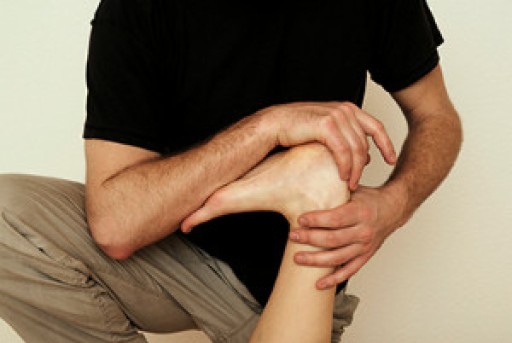
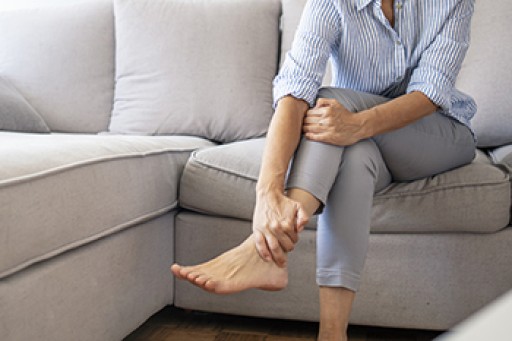
A great way to stretch out and loosen up the foot muscles while sitting is to cross one leg over the other and pull the toes carefully back without overextending. Start by resting the left ankle on the right knee. With the left hand, gently flex the left foot by pulling back on the toes. Do not pull too hard; just hard enough to feel the stretch in the arch of the foot. Then point the toes of the left foot as far as you can. Rotate the motion of pointing with pulling back on the toes. This should relax and stretch the muscles on the bottom and the top of the foot. Doing this stretch ten to twenty times should bring relief. Repeat the whole process for the other foot by resting the right ankle on the left knee.

A stretch that focuses on the often injured Achilles tendon involves standing and facing a wall with your arms out and hands flat against the wall. Step back with one foot, keeping it flat against the floor. Move the other leg forward and lean toward the wall. You should feel a stretch through the back of your leg and your Achilles tendon, but do not push yourself too much. Stop when you feel a stretching sensation, and hold for 30 seconds. Ten repetitions may be done for each foot.

Stretching the feet is important for athletes or those performing aerobic exercise, but it can also help anyone with foot pain caused by poor footwear, plantar fasciitis, or long hours standing and walking. Individuals who tend to their feet by regularly stretching every day should be able to minimize foot pain and prevent new problems from arising.

Stretching for Runners

Stretching for Runners

One of the most critical, yet often overlooked, ways to improve and maintain good foot health is to regularly perform stretches and exercises for the feet. These stretches are important for several reasons. Most importantly, regularly and intentionally stretching the feet is an excellent way to improve the strength of the muscles in the feet. When the muscles in the feet are stronger, this can make the foot more stable and agile. This benefit of increased stability and agility can be especially important for runners who can benefit from this the most. For example, when someone runs, they can put up to two to three times their natural body weight onto one foot at a time. Therefore, strengthened foot muscles from stretching can help runners go faster and further. Additionally, stretching can help your feet by making suffering an injury less likely. When your feet are stronger and the muscles are more fortified, rolling your feet inward becomes less likely. Stronger feet are also more protected against conditions such as plantar fasciitis, neuromas, and stress fractures. Again, runners stand to benefit because suffering from an injury or foot affliction can make continuing to run difficult. If you are a runner or simply want to improve the strength of your feet, consider consulting a podiatrist who can teach you helpful stretches for the feet.

Stretching the feet is a great way to prevent injuries. If you have any concerns with your feet consult with one of our podiatrists from Advanced Foot & Ankle Medical Center . Our doctors will assess your condition and provide you with quality foot and ankle treatment.

Stretching the Feet

Stretching the muscles in the foot is an important part in any physical activity. Feet that are tight can lead to less flexibility and make you more prone to injury. One of the most common forms of foot pain, plantar fasciitis, can be stretched out to help ease the pain. Stretching can not only ease pain from plantar fasciitis but also prevent it as well. However, it is important to see a podiatrist first if stretching is right for you. Podiatrists can also recommend other ways to stretch your feet. Once you know whether stretching is right for you, here are some excellent stretches you can do.

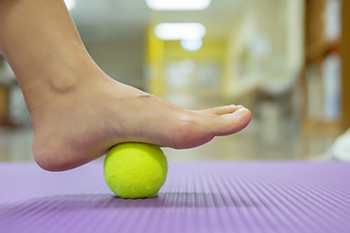
  • Using a foam roller or any cylindrical object (a water bottle or soda can will do), roll the object under your foot back and forth. You should also exert pressure on the object. Be sure to do this to both feet for a minute. Do this exercise three times each.
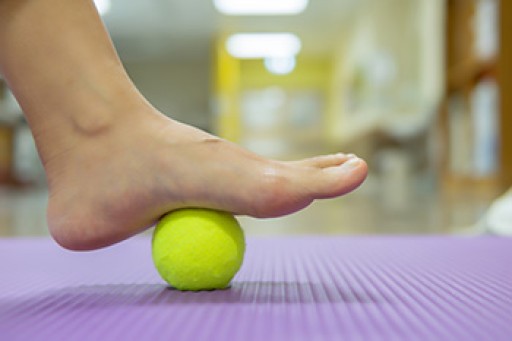
  • Similar to the previous one, take a ball, such as a tennis ball, and roll it under your foot while seated and exert pressure on it.
  • Grab a resistance band or towel and take a seat. If you are using a towel, fold it length wise. Next put either one between the ball of your foot and heel and pull with both hands on each side towards you. Hold this for 15 seconds and then switch feet. Do this three times for each foot.
  • Finally hold your big toe while crossing one leg over the other. Pull the toe towards you and hold for 15 seconds. Once again do this three times per foot.

It is best to go easy when first stretching your foot and work your way up. If your foot starts hurting, stop exercising and ice and rest the foot. It is advised to then see a podiatrist for help.

If you have any questions, please feel free to contact our office located in Thousand Oaks, CA . We offer the newest diagnostic and treatment technologies for all your foot care needs.

Read more about Stretching Your Feet

Foot and Ankle Surgery

Foot and Ankle Surgery

When conservative, noninvasive methods prove ineffective, surgery may be selected as the next course of action for the treatment of your foot or ankle condition.  A wide number of foot and ankle surgical procedures exist, and it is up to your podiatrist to determine which intervention will be most appropriate and helpful for your case.  Some surgical procedures include bunion surgery, fusion, hammertoe surgery, heel spur surgery, metatarsal surgery, nail surgery, neuroma surgery, reconstructive surgery, skin surgery, and tendon surgery.  Typically, surgery is turned to as a definitive way to alleviate excessive pain or discomfort and to return your foot to full mobility.

Regardless of the location on the body, all surgical procedures require preoperative testing and examination to ensure the surgery’s success and preferred outcome.  A review of your medical history and medical conditions will take place, as will an evaluation of any current diseases, illnesses, allergies, and medications.  Tests such as blood studies, urinalyses, EKG, X-rays, and blood flow studies may be ordered.  Because the procedure involves the foot and/or ankle, the structures of your feet while walking may also be observed by your podiatrist.

Care post-surgery will depend on the type of surgical procedure performed.  Typically, all postoperative care involves rest, ice, compression, and elevation.  To improve and ensure a safe recovery, your foot and ankle surgeon may also employ the use of bandages, splints, surgical shoes, casts, crutches, or canes.  He will also determine if and when you can bear weight.  A timely and thorough recovery is a priority for both you and your podiatrist, and carefully following postoperative instructions can help achieve this.  

Heel and Toe Spurs May Require Surgery

Heel and Toe Spurs May Require Surgery

There are several different types of foot surgery that have to be performed for permanent relief. A bone spur is a growth on the back of the heel that can develop from wearing shoes that do not fit correctly. The Achilles tendon is often affected by a bone spur, and may have to be repaired following removal of the bone spur. A cast is generally worn for several weeks, and this is helpful as the healing process occurs. The removal of a toe spur can be a reason to have foot surgery. This is a bony growth that develops on the toe, and the surgery is done by making a small cut in the skin surrounding the toe spur. A tool that is referred to as a power rasp is inserted into the small incision, and used to file the spur in addition to smoothing the skin. The majority of patients wear a surgical shoe for several weeks following the surgery. This is helpful in providing stability and protecting the affected toe. If you have developed spurs on your foot, it is strongly advised that you are under the care of a podiatrist who can effectively perform the foot surgery that is needed.

Foot surgery is sometimes necessary to treat a foot ailment. To learn more, contact one of our podiatrists of Advanced Foot & Ankle Medical Center . Our doctors will assist you with all of your foot and ankle needs.

When Is Surgery Necessary?

Foot and ankle surgery is generally reserved for cases in which less invasive, conservative procedures have failed to alleviate the problem. Some of the cases in which surgery may be necessary include:

  • Removing foot deformities like bunions and bone spurs
  • Severe arthritis that has caused bone issues
  • Cosmetic reconstruction

What Types of Surgery Are There?

The type of surgery you receive will depend on the nature of the problem you have. Some of the possible surgeries include:

  • Bunionectomy for painful bunions
  • Surgical fusion for realignment of bones
  • Neuropathy decompression surgery to treat nerve damage

Benefits of Surgery

Although surgery is usually a last resort, it can provide more complete pain relief compared to non-surgical methods and may allow you to finally resume full activity.

Surgical techniques have also become increasingly sophisticated. Techniques like endoscopic surgery allow for smaller incisions and faster recovery times.

If you have any questions please feel free to contact our office located in Thousand Oaks, CA . We offer the newest diagnostic and treatment technologies for all your foot and ankle needs.
Read more about Foot and Ankle Surgery

How to Care for Your Arthritic Foot

How to Care for Your Arthritic Foot

Arthritis is an inflammation of the joints and it can occur at any joint in the body, especially in the foot. It generally effects those who are older, however, it can occur at any age. Although there are many different forms of arthritis, there are three main types that occur in the foot. The three types are osteoarthritis, rheumatoid arthritis, and gout.

The primary cause of osteoarthritis is aging. As you age, cartilage degenerates around the joints which causes friction and pain. Obesity can cause osteoarthritis through mechanical stress. Injuries that damage joints can increase the probability as well. Finally, a family history of osteoarthritis can also increase chances of having it.

Rheumatoid arthritis occurs when the immune system attacks the joint linings and weakens them over a long time. While there is no known cause of rheumatoid arthritis, obesity and smoking can increase your chances of getting it. Women are also more likely to get it than men.

Gout is a form of arthritis that occurs when there is too much uric acid in your blood and painful crystals form in your joints. Men are more likely to have gout than women. People who are obese or drink alcohol often are also more likely to develop gout. Furthermore, having diabetes, heart disease, high blood pressure, high cholesterol, gastric bypass surgery or a family history of gout may increase your likelihood of developing the condition.

Symptoms of arthritis include pain, stiffness, swelling in the joints. These symptoms can make it harder and more painful to walk. Physical activity can increase pain and discomfort. Furthermore, joint pain can worsen throughout the day for osteoarthritis. Gout attacks generally last several days with the first few being the worst.

Diagnosis of gout includes either a joint fluid test or a blood test. X-ray imaging can detect osteoarthritis but not gout. On the other hand, there is no blood test for osteoarthritis. Rheumatoid arthritis is difficult to diagnosis. Doctors utilize family and personal medical history, a physical examination, and antibody blood tests to determine if you have rheumatoid arthritis.

Treatment varies for the different kinds of arthritis. Anti-inflammatory medication or steroids can help reduce pain from inflammation of the joints. Changing shoe types can help with some symptoms. Wider shoes can help with discomfort from gout and osteoarthritis. High heels should be avoided. Shoes with proper arch support and that take pressure off the ball of the foot can help with rheumatoid arthritis. Drinking lots of water can also help rid uric acid from the blood. Losing weight, improving your diet, and limiting alcohol and smoking can also help prevent or lessen the symptoms of arthritis.

If you are having trouble walking or pain in your feet, see a podiatrist to check if you have arthritis.

Connect With Us

scroll-to-top