Flexible Flat Feet

Flexible Flat Feet

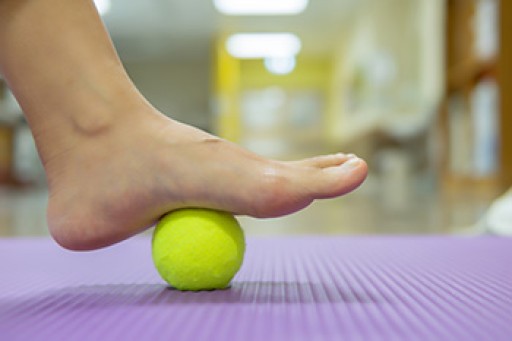
Most babies are born with flat feet, but the arch fully develops during the teenage years. There are some children that have a joint hypermobility condition, and this is referred to as low muscle tone. This may prevent the arch from developing, which could result in having flat feet in their adult years. One type of flat feet is called flexible flat feet. The ligaments hold the bones in place in addition to supporting the arches. Children who have joint hypermobility do not have the same support as those without it, and the ligaments are more flexible than normal. There are stretches and exercises that can be performed that may help to strengthen the arch. An effective stretch is done by standing up while slightly leaning back. This will propel the muscles in the front of the ankle to become stronger. Additionally, standing on one leg will activate the muscles in the ankle to maintain balance as well as stability. If you have questions about flat feet and would like to learn more about how to perform effective stretches, please schedule a consultation with a podiatrist.

Flatfoot is a condition many people suffer from. If you have flat feet, contact one of our podiatrists from Advanced Foot & Ankle Medical Center . Our doctors will treat your foot and ankle needs.

What Are Flat Feet?

Flatfoot is a condition in which the arch of the foot is depressed and the sole of the foot is almost completely in contact with the ground. About 20-30% of the population generally has flat feet because their arches never formed during growth.

Conditions & Problems:

Having flat feet makes it difficult to run or walk because of the stress placed on the ankles.

Alignment – The general alignment of your legs can be disrupted, because the ankles move inward which can cause major discomfort.

Knees – If you have complications with your knees, flat feet can be a contributor to arthritis in that area.  

Symptoms

  • Pain around the heel or arch area
  • Trouble standing on the tip toe
  • Swelling around the inside of the ankle
  • Flat look to one or both feet
  • Having your shoes feel uneven when worn

Treatment

If you are experiencing pain and stress on the foot you may weaken the posterior tibial tendon, which runs around the inside of the ankle. 

If you have any questions please feel free to contact our office located in Thousand Oaks, CA . We offer the newest diagnostic and treatment technologies for all your foot and ankle needs.
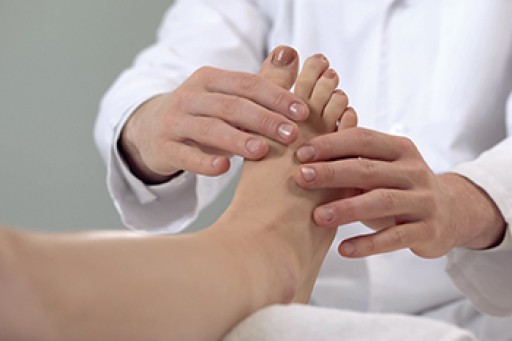
Read more about Flat Feet

Flat Feet

Flat Feet

Flatfoot is a foot condition in which the arch of the foot has either partially or totally dropped or has never developed. While it is common in babies and small children, it can become a problem for them in adulthood if the arch never forms. For adults, the development of flat feet can be brought upon by injury, as a result of pregnancy due to increased elasticity, or obesity. Those who have health concerns such as rheumatoid arthritis or diabetes may also be at greater risk for developing the condition.

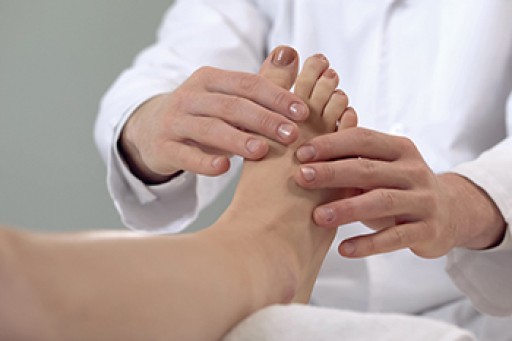
If you suspect that you have flat feet, it is best to consult your podiatrist. Your foot doctor will examine the suspected foot and observe how it looks while you sit and stand. He or she may take an X-ray to determine how serious the condition is. Some common signs of flatfoot include toe drift, in which the toes and front part of the foot point outward, a short Achilles tendon, and a heel that tilts outwardly while the ankle tilts inward.

Once flatfoot has been diagnosed, your podiatrist may suggest one of several treatment options. Flat feet can be rigid, in which the feet appear to have no arch even when the person is not standing; or flexible, in which the person appears to have an arch while not standing, but once standing the arch disappears. Those with flexible flatfoot may be told to reduce any activities that cause pain and to avoid extended periods of walking or standing. Another suggestion may be weight loss, as excessive weight may be placing pressure on the arches

In few cases, if the condition is severe and all other methods have been exhausted surgery may be required. This is normally avoided, however, due to a lengthy recovery time and high cost.

What Causes Foot Pain in Toddlers?

What Causes Foot Pain in Toddlers?

If your toddler seems to have foot pain, he or she may not be able to sleep and will often complain about walking or putting on shoes. Sometimes their foot discomfort is nothing more than growing pains that begin in the late part of the second year of life and last until age 4. Toddlers can also feel foot pain due to muscle soreness or overuse from zealous running, jumping, and climbing. However, other things may also be brewing that cause foot pain in these youngsters. Flatfoot is when the foot does not develop a normal arch. It is normal for babies to have flat feet, but if it continues beyond age 2 or 3 and the feet have taken on their shape, it can cause pain in the arch, heel, ankle, leg, hip, and back, as well as rolling of the foot. A child may also suffer from restless leg syndrome. This is a neurological condition where sensations are felt in the legs and feet. While the cause is unknown, this is found more often in small children and early walkers with allergic conditions, asthma, and eczema. It may also be due to a particular medication, anemia, or childhood diabetes. Toddler foot pain may be due to a nutritional deficiency, such as dehydration, low potassium, and magnesium. Sever’s disease is a condition that develops from an injury to the growth plate in the heel. The growth plate becomes inflamed and may cause pain until the feet have finished growing. Contact a podiatrist if your child’s foot pain persists or worsens. This professional can see if one of these conditions is present that needs attention and treatment.


Making sure that your children maintain good foot health is very important as they grow. If you have any questions, contact one of our podiatrists of Advanced Foot & Ankle Medical Center . Our doctors can provide the care you need to keep you pain-free and on your feet.

Keeping Children's Feet Healthy

Having healthy feet during childhood can help prevent medical problems later in life, namely in the back and legs. As children grow, their feet require different types of care. Here are some things to consider...

Although babies do not walk yet, it is still very important to take care of their feet.

Avoid putting tight shoes or socks on his or her feet.

Allow the baby to stretch and kick his or her feet to feel comfortable.

As a toddler, kids are now on the move and begin to develop differently. At this age, toddlers are getting a feel for walking, so don’t be alarmed if your toddler is unsteady or ‘walks funny’. 

As your child gets older, it is important to teach them how to take care of their feet.

Show them proper hygiene to prevent infections such as fungus.

Be watchful for any pain or injury.

Have all injuries checked by a doctor as soon as possible.

Comfortable, protective shoes should always be worn, especially at play.

If you have any questions please feel free to contact our office located in Thousand Oaks, CA . We offer the newest diagnostic and treatment technologies for all your foot and ankle needs.

Read more about What to Do to Keep Your Child’s Feet Healthy

What to Do to Keep Your Child’s Feet Healthy

Being a parent involves caring for your child in every way you can. You make sure they are eating the right food, being nice to others, and staying out of any trouble. However, it is also important that you are watchful of their health, more specifically their foot health. Maintaining good foot health in childhood is important in preventing later conditions in life from happening. As children continue to develop, their feet require different techniques of care. Here are some various ways in which you can help your child’s feet stay healthy.

A baby needs a lot of care and attention overall, but the importance of their feet should never be forgotten. Before a baby turns one, their feet change and develop greatly. It is important that during this time, a mother avoids putting tight socks on their child. She should also encourage movement of their feet so the baby can begin to feel more comfortable using them.

As a baby enters the toddler years of his or her life, they are begin to walk around. When your baby begins to take those first steps, it is crucial that they are wearing protective shoes on their feet. As a mother that is observant of your child’s feet, you may notice changes in them. This is completely normal as the feet are becoming susceptible to the activity of walking. It is normal for a toddler to be a bit unsteady or to “walk funny” at first.

When your child grows out of their toddler years, it is important that you begin to show him or her how to care for their feet on their own. Practice with your child proper hygiene in order to prevent foot fungus or infection. Since children are constantly on the move, it is crucial to be cautious of any accidents or injuries that might occur. If an injury occurs, it is advised that you take your child to be examined by a doctor immediately. Since your child is still growing, particular injuries can shift the way in which a bone or other important part of the foot is developing.

Babies and kids are always changing and growing. Your job as a parent is to make sure they stay healthy and making sure they are properly maintained. This involves proper foot care and making sure the feet stay healthy. Following this guide, your child can live a long and happy life.

It's Time for Beautiful Feet

It's Time for Beautiful Feet

You don't need an excuse to have beautiful nails. Step outside without worrying about the appearance of your feet.

Morton's Neuroma

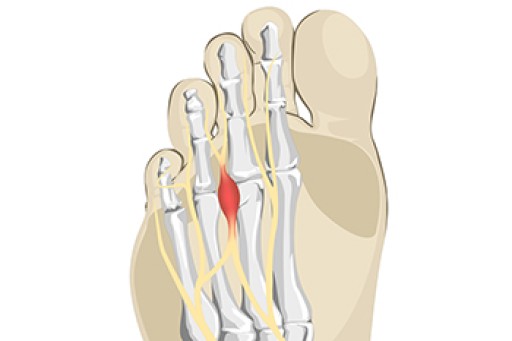
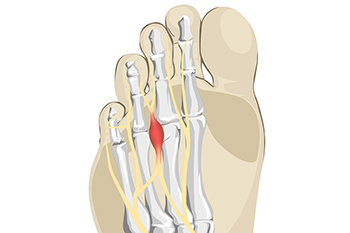
A neuroma is a thickening of nerve tissue and can develop throughout the body.  In the foot, the most common neuroma is a Morton’s neuroma; this typically forms between the third and fourth toes.  The thickening of the nerve is typically caused by compression and irritation of the nerve; this thickening can in turn cause enlargement and, in some cases, nerve damage.

Neuromas can be caused by anything that causes compression or irritation of the nerve.  A common cause is wearing shoes with tapered toe boxes or high heels that force the toes into the toe boxes.  Physical activities that involve repeated pressure to the foot, such as running or basketball, can also create neuromas.  Those with foot deformities, such as bunions, hammertoes, or flatfeet, are more likely to develop the condition.

Symptoms of Morton’s neuroma include tingling, burning, numbness, pain, and the feeling that either something is inside the ball of the foot or that something in one’s shoe or sock is bunched up.  Symptoms typically begin gradually and can even go away temporarily by removing one’s shoes or massaging the foot.  An increase in the intensity of symptoms correlates with the increasing growth of the neuroma.

Treatment for Morton’s neuroma can vary between patients and the severity of the condition.  For mild to moderate cases, padding, icing, orthotics, activity modifications, shoe modifications, medications, and injection therapy may be suggested or prescribed.  Patients who have not responded successfully to less invasive treatments may require surgery to properly treat their condition.  The severity of your condition will determine the procedure performed and the length of recovery afterwards.

Pain Between the Toes May Indicate Morton’s Neuroma

Pain Between the Toes May Indicate Morton’s Neuroma

The pain located between the third and fourth toes is a foot condition known as Morton’s neuroma. It is also referred to as Morton’s syndrome, and is defined as a compressed nerve in the top of the foot. Patients notice that it is difficult to push off with the forefoot, and it can feel like a pins and needles sensation. Morton’s neuroma may be prevalent among people who have flat feet, and this may cause the foot to gradually compress the nerve. Many cases of Morton’s neuroma are caused by wearing shoes that do not have enough room for the toes to move freely. Additionally, participating in sporting activities like golf and tennis may lead to this condition. The affected foot will often feel better when it is frequently elevated and rested, and it may help to wear a protective pad in the shoes for additional cushioning. If you have pain in this part of your foot, it is strongly suggested that you consult with a podiatrist who can treat it accordingly.

Morton’s neuroma is a very uncomfortable condition to live with. If you think you have Morton’s neuroma, contact one of our podiatrists of Advanced Foot & Ankle Medical Center . Our doctors will attend to all of your foot care needs and answer any of your related questions.  

Morton’s Neuroma

Morton's neuroma is a painful foot condition that commonly affects the areas between the second and third or third and fourth toe, although other areas of the foot are also susceptible. Morton’s neuroma is caused by an inflamed nerve in the foot that is being squeezed and aggravated by surrounding bones.

What Increases the Chances of Having Morton’s Neuroma?

  • Ill-fitting high heels or shoes that add pressure to the toe or foot
  • Jogging, running or any sport that involves constant impact to the foot
  • Flat feet, bunions, and any other foot deformities

Morton’s neuroma is a very treatable condition. Orthotics and shoe inserts can often be used to alleviate the pain on the forefront of the feet. In more severe cases, corticosteroids can also be prescribed. In order to figure out the best treatment for your neuroma, it’s recommended to seek the care of a podiatrist who can diagnose your condition and provide different treatment options.

If you have any questions, please feel free to contact our office located in Thousand Oaks, CA . We offer the newest diagnostic and treatment technologies for all your foot care needs.

Read more about Morton's Neuroma

Falls Prevention

Falls Prevention

Elderly Americans are very susceptible to falls as they get older. Everyone experiences decreases in flexibility, balance, strength, and the senses as they age. This correlates to some eye-opening statistics. 1 in 4 Americans aged 65 and older fall each year. An elderly American is being treated for a fall in an emergency room every 11 seconds. In light of these striking statistics, one can see the importance of taking steps to prevent falls.

Finding an exercise program for the elderly is an excellent way to reduce the likelihood of falls. Look for an exercise program that improves strength and balance. Elderly people who live a more sedentary lifestyle, with little physical activity, are at an increased risk of falling. Wearing well-fitted footwear that provides good foot support and cushion will help prevent falls from poorly fitted shoes. Talking to a podiatrist about your susceptibility to falls and about inspecting your prescriptions will help to avoid any medication that could make falls more likely. Due to a decline in the senses among the elderly, having your eyes and hearing checked is recommended.

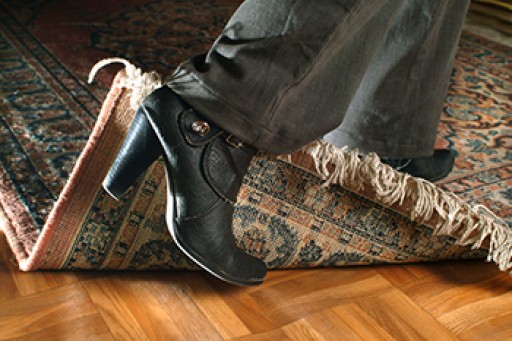
Around half of all falls occur in the household. Removing tripping hazards in the home and making it more accommodating to older persons can significantly reduce falls. Some notable household changes include increasing lighting around the house, installing grab bars in the shower and bathroom, and making sure the floor is clear of clutter. Other smart options include installing a shower chair, using rubber-bottomed rugs, and placing railings on both sides of stairwells.  

Finally, discuss with a doctor and your family about your fear of falling. This will help to increase awareness among the population on the need for fall prevention. A lack of awareness on the matter, and a downplaying of importance are what increase the risks of falling. Following these tips can help to reduce the risk for yourself and your loved ones.

Effective Fall Prevention Methods

Effective Fall Prevention Methods

Research has indicated that approximately one in three Americans who are 65 or older will fall, which is a leading cause of hospitalization for adults in New York City. Many people develop a fear of falling, and this can be detrimental to completing daily chores and experiencing new activities. When people fall, their feet are often negatively affected. Ankles or toes may be broken, and this can cause severe pain and discomfort. There are simple prevention techniques that can be implemented to help prevent painful falling episodes. These can include incorporating gentle exercise and stretching routines into the daily regime, clearing clutter in the household, and improving lighting in the living area. Additionally, it is beneficial to have regular physical examinations performed, as this is helpful in monitoring existing medications. Glasses can be updated when the eyes are checked, and it is beneficial to have this done annually. Wearing shoes that fit correctly can be helpful in possibly preventing falls, and maintaining proper foot care is essential in having the feet feel good. Some people find it useful to have grab bars installed in the bath and toilet area, in addition to using a bathmat. If you would like to know about how to protect the feet and how to reduce the number of falls, please ask a podiatrist who can answer any questions you may have.

Preventing falls among the elderly is very important. If you are older and have fallen or fear that you are prone to falling, consult with one of our podiatrists from Advanced Foot & Ankle Medical Center . Our doctors will assess your condition and provide you with quality advice and care.

Every 11 seconds, an elderly American is being treated in an emergency room for a fall related injury. Falls are the leading cause of head and hip injuries for those 65 and older. Due to decreases in strength, balance, senses, and lack of awareness, elderly persons are very susceptible to falling. Thankfully, there are a number of things older persons can do to prevent falls.

How to Prevent Falls

Some effective methods that older persons can do to prevent falls include:

  • Enrolling in strength and balance exercise program to increase balance and strength
  • Periodically having your sight and hearing checked
  • Discuss any medications you have with a doctor to see if it increases the risk of falling
  • Clearing the house of falling hazards and installing devices like grab bars and railings
  • Utilizing a walker or cane
  • Wearing shoes that provide good support and cushioning
  • Talking to family members about falling and increasing awareness

Falling can be a traumatic and embarrassing experience for elderly persons; this can make them less willing to leave the house, and less willing to talk to someone about their fears of falling. Doing such things, however, will increase the likelihood of tripping or losing one’s balance. Knowing the causes of falling and how to prevent them is the best way to mitigate the risk of serious injury.  

If you have any questions, please feel free to contact our office located in Thousand Oaks, CA . We offer the newest diagnostic and treatment technologies for all your foot care needs.

Read more about Falls Prevention

Exercises That Can Help to Strengthen the Feet

Exercises That Can Help to Strengthen the Feet

The easiest way to strengthen the feet is by exercising. There are specific foot stretches and exercises that can enhance the overall foot when frequently practiced. The feet are the foundation of the body and are often forgotten about during strength training routines. There are two categories of muscles that are found in each foot. The muscles that are responsible for maintaining the arch and aid in shock absorption are referred to as the intrinsic foot muscles. The ankle is moved, and the toes are flexed and pointed by engaging the global lower limb muscles. The toes can be strengthened by performing toe curls which are done by stepping on a towel and picking it up with the toes. The arch can become stronger by sitting in a chair while trying to shorten the foot by bringing the ball of the foot toward the heel. If you would like additional information about the benefits of exercising your feet, please confer with a podiatrist.

Exercising your feet regularly with the proper foot wear is a great way to prevent injuries and build strength. If you have any concerns about your feet, contact one of our podiatrists from Advanced Foot & Ankle Medical Center . Our doctors can provide the care you need to keep you pain-free and on your feet.

Exercise for Your Feet

Exercise for your feet can help you gain strength, mobility and flexibility in your feet. They say that strengthening your feet can be just as rewarding as strengthening another part of the body. Your feet are very important, and we often forget about them in our daily tasks. But it is because of our feet that are we able to get going and do what we need to. For those of us fortunate enough to not have any foot problems, it is an important gesture to take care of them to ensure good health in the long run.

Some foot health exercises can include ankle pumps, tip-toeing, toe rises, lifting off the floor doing reps and sets, and flexing the toes. It is best to speak with Our doctors to determine an appropriate regimen for your needs. Everyone’s needs and bodies are different, and the activities required to maintain strength in the feet vary from individual to individual. 

Once you get into a routine of doing regular exercise, you may notice a difference in your feet and how strong they may become.

If you have any questions please feel free to contact our office located in Thousand Oaks, CA . We offer the newest diagnostic and treatment technologies for all your foot and ankle needs.

Read more about Exercise for Your Feet

Connect With Us

scroll-to-top