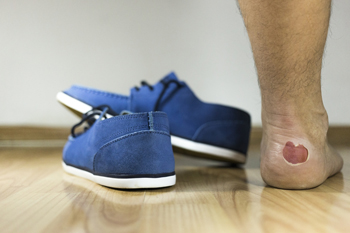
Eczema May Cause Blisters on the Feet

Eczema May Cause Blisters on the Feet

Blisters can develop on the feet from a condition that is known as dyshidrotic eczema. It may be caused by genetic tendencies and can be prevalent in people who have other forms of eczema. There may also be outside factors that can cause this condition. These can consist of stress situations, having an allergic reaction to specific kinds of metals, or certain types of irritants. This ailment may cause blisters to form on the feet, and may be preceded by severe itching and burning. The skin may turn red and become cracked after the blisters have healed, and can become infected. This condition can be treated by washing and drying the affected area, followed by moisturizing the feet. It is beneficial to keep the fingernails as short as possible, which may help to prevent breaking the skin from scratching. It is advised to manage stress levels as best as possible, which may be a key factor in preventing this type of eczema. If you have developed blisters on your feet, please consult a podiatrist as quickly as possible who can determine the cause, and treat it accordingly.

Blisters are prone to making everyday activities extremely uncomfortable. If your feet are hurting, contact one of our podiatrists of Advanced Foot & Ankle Medical Center . Our doctors can provide the care you need to keep you pain-free and on your feet.

Foot Blisters

Foot blisters develop as a result of constantly wearing tight or ill-fitting footwear. This happens due to the constant rubbing from the shoe, which can often lead to pain.

What Are Foot Blisters?

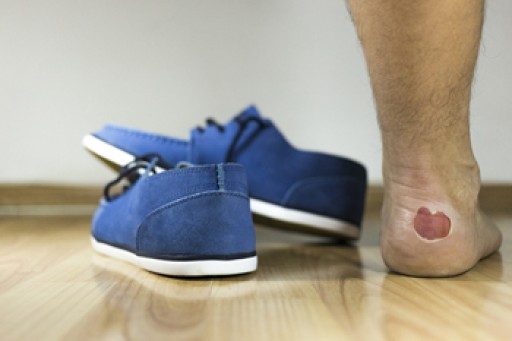
A foot blister is a small fluid-filled pocket that forms on the upper-most layer of the skin. Blisters are filled with clear fluid and can lead to blood drainage or pus if the area becomes infected.

How Do Blisters Form?

Blisters on the feet are often the result of constant friction of skin and material, usually by shoe rubbing. Walking in sandals, boots, or shoes that don’t fit properly for long periods of time can result in a blister. Having consistent foot moisture and humidity can easily lead to blister formation.

Prevention & Treatment

It is important to properly care for the affected area in order to prevent infection and ease the pain. Do not lance the blister and use a Band-Aid to provide pain relief. Also, be sure to keep your feet dry and wear proper fitting shoes. If you see blood or pus in a blister, seek assistance from a podiatrist.

If you have any questions, please feel free to contact our office located in Thousand Oaks, CA . We offer the newest diagnostic and treatment technologies for all your foot care needs.
Read more about Blisters

Sports Related Foot and Ankle Injuries

Foot and ankle injuries are common among athletes and those who exercise frequently. Most of these injuries are non-life-threatening and can heal in weeks with proper treatment and care. Serious injuries, however, require urgent medical treatment.

Common minor injuries include ankle sprains, ankle strains, Achilles tendonitis, plantar fasciitis, stress fractures, and turf toe. An ankle sprain is when the ligaments in the ankle have either become stretched or torn. When the muscle or tendon is stretched or torn, it is an ankle strain. When the big toe is sprained, it is known as turf toe. Achilles tendonitis is the overuse and inflammation of the Achilles tendon. Plantar fasciitis is the inflammation of the plantar fascia and generally occurs from overuse in athletics. Stress fractures are also caused from overuse and are small cracks in the bone.

Achilles tendon ruptures are common, but more serious. This injury occurs when the Achilles tendon, the largest tendon in the body, ruptures. In most cases, this causes severe pain and difficulty walking; some who have experienced this injury have reported, however, no signs or symptoms. A laceration is a deep cut that can occur anywhere on the body. Lacerations on the foot are rarer, but can occur from things like metal cleats landing on the foot.   

Treatment options cover a wide range of methods based upon the injury and its severity. Conditions like plantar fasciitis, stress fractures, Achilles tendonitis, turf toe and ankle sprains/ strains can heal on their own without immediate medical care, but seeing a podiatrist to monitor the injury is always recommended. Following the RICE (Rest, Icing, Compression, and Elevation) protocol is generally enough to treat minor injuries. This means resting the foot by either keeping pressure off the foot or not walking at all. Icing the injury will help reduce swelling and pain. Compressing the wound with a wrap will immobilize and help promote healing. Finally, keeping the wound elevated will also reduce swelling and also help the healing process.

It is important to note that even minor injuries can vary in severity, with grade one being a minor injury and grade three requiring urgent care by a podiatrist. Achilles tendon ruptures and lacerations on the foot generally require urgent medical care and treatment options that need a podiatrist. These could include imaging tests, stitches for cuts, rehabilitation, and casts or braces. Every case is different, however, so it is always recommended to see a podiatrist when pain in the foot does not disappear.

Foot and Ankle Injuries in Pickleball

Foot and Ankle Injuries in Pickleball

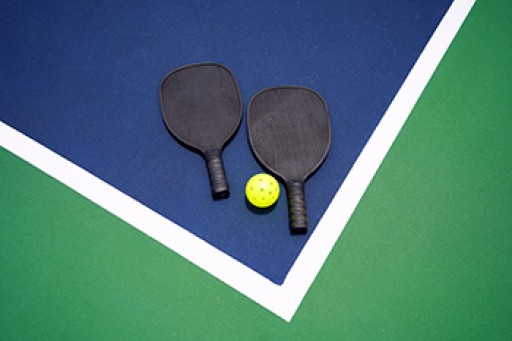
The increasingly popular sport of pickleball was born from a cross between tennis, badminton and ping-pong. 2022 marked the 57th anniversary of this sport. It has grown in participation because it is fun and older participants especially think it is easier on the body. However, those who play this sport are still at risk for injury to various parts of their bodies. The quick side-to-side movements in pickleball put the ankle joint at high risk for sprain injuries. The repeated pounding of the feet on hard courts can also lead to foot pain. Investing in good, stable court shoes with a large toe box can help offset some of the pain suffered. Also, increasing the strength of the foot and ankle by practicing balancing exercises on one foot at a time can help in the prevention of injuries. If you are a pickleball player and have sustained an injury or suffer from foot pain, contact a podiatrist who can help with proper diagnoses and treatments appropriate for you. 
Sports related foot and ankle injuries require proper treatment before players can go back to their regular routines. For more information, contact one of our podiatrists of Advanced Foot & Ankle Medical Center . Our doctors can provide the care you need to keep you pain-free and on your feet.

Sports Related Foot and Ankle Injuries

Foot and ankle injuries are a common occurrence when it comes to athletes of any sport. While many athletes dismiss the initial aches and pains, the truth is that ignoring potential foot and ankle injuries can lead to serious problems. As athletes continue to place pressure and strain the area further, a mild injury can turn into something as serious as a rupture and may lead to a permanent disability. There are many factors that contribute to sports related foot and ankle injuries, which include failure to warm up properly, not providing support or wearing bad footwear. Common injuries and conditions athletes face, including:

  • Plantar Fasciitis
  • Plantar Fasciosis
  • Achilles Tendinitis
  • Achilles Tendon Rupture
  • Ankle Sprains

Sports related injuries are commonly treated using the RICE method. This includes rest, applying ice to the injured area, compression and elevating the ankle. More serious sprains and injuries may require surgery, which could include arthroscopic and reconstructive surgery. Rehabilitation and therapy may also be required in order to get any recovering athlete to become fully functional again. Any unusual aches and pains an athlete sustains must be evaluated by a licensed, reputable medical professional.

If you have any questions please feel free to contact our office located in Thousand Oaks, CA . We offer the newest diagnostic and treatment technologies for all your foot and ankle needs.

Read more about Sports Related Foot and Ankle Injuries

Falls Prevention

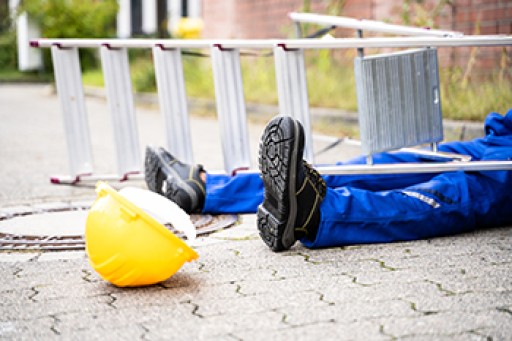
Elderly Americans are very susceptible to falls as they get older. Everyone experiences decreases in flexibility, balance, strength, and the senses as they age. This correlates to some eye-opening statistics. 1 in 4 Americans aged 65 and older fall each year. An elderly American is being treated for a fall in an emergency room every 11 seconds. In light of these striking statistics, one can see the importance of taking steps to prevent falls.

Finding an exercise program for the elderly is an excellent way to reduce the likelihood of falls. Look for an exercise program that improves strength and balance. Elderly people who live a more sedentary lifestyle, with little physical activity, are at an increased risk of falling. Wearing well-fitted footwear that provides good foot support and cushion will help prevent falls from poorly fitted shoes. Talking to a podiatrist about your susceptibility to falls and about inspecting your prescriptions will help to avoid any medication that could make falls more likely. Due to a decline in the senses among the elderly, having your eyes and hearing checked is recommended.

Around half of all falls occur in the household. Removing tripping hazards in the home and making it more accommodating to older persons can significantly reduce falls. Some notable household changes include increasing lighting around the house, installing grab bars in the shower and bathroom, and making sure the floor is clear of clutter. Other smart options include installing a shower chair, using rubber-bottomed rugs, and placing railings on both sides of stairwells.  

Finally, discuss with a doctor and your family about your fear of falling. This will help to increase awareness among the population on the need for fall prevention. A lack of awareness on the matter, and a downplaying of importance are what increase the risks of falling. Following these tips can help to reduce the risk for yourself and your loved ones.

Preventing Falls Around Your Pets

Preventing Falls Around Your Pets

Having a dog can provide emotional support and a reason to exercise. However, dogs sometimes contribute to injuries at home or while walking them. Falling is a major type of dog-related injury. Tripping over the dog itself or pet-related items, such as a toy or dog bowl, can lead to serious injuries. Putting toys away and placing dog bowls in less trafficked areas can help prevent such falls. Leash pulling can also cause falls. Holding the leash in one’s hand versus wrapping it around the wrist or hand can help reduce the risk of falling due to pulling. Training the dog not to pull is better but takes more patience and in the face of a loud noise or something enticing, like a squirrel, may not work. Being aware of surroundings and doing strengthening and balance exercises can help reduce the risk of dog-related falling or injuries sustained from them. If you own a dog and are interested in preventing such falls, consult with a podiatrist who can provide additional information.

Preventing falls among the elderly is very important. If you are older and have fallen or fear that you are prone to falling, consult with one of our podiatrists from Advanced Foot & Ankle Medical Center . Our doctors will assess your condition and provide you with quality advice and care.

Every 11 seconds, an elderly American is being treated in an emergency room for a fall related injury. Falls are the leading cause of head and hip injuries for those 65 and older. Due to decreases in strength, balance, senses, and lack of awareness, elderly persons are very susceptible to falling. Thankfully, there are a number of things older persons can do to prevent falls.

How to Prevent Falls

Some effective methods that older persons can do to prevent falls include:

  • Enrolling in strength and balance exercise program to increase balance and strength
  • Periodically having your sight and hearing checked
  • Discuss any medications you have with a doctor to see if it increases the risk of falling
  • Clearing the house of falling hazards and installing devices like grab bars and railings
  • Utilizing a walker or cane
  • Wearing shoes that provide good support and cushioning
  • Talking to family members about falling and increasing awareness

Falling can be a traumatic and embarrassing experience for elderly persons; this can make them less willing to leave the house, and less willing to talk to someone about their fears of falling. Doing such things, however, will increase the likelihood of tripping or losing one’s balance. Knowing the causes of falling and how to prevent them is the best way to mitigate the risk of serious injury.  

If you have any questions, please feel free to contact our office located in Thousand Oaks, CA . We offer the newest diagnostic and treatment technologies for all your foot care needs.

Read more about Falls Prevention

Why Live with Pain and Numbness in Your Feet?

Why Live with Pain and Numbness in Your Feet?

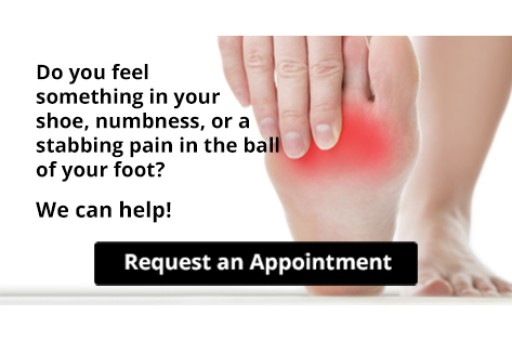
Suffering from this type of pain? You may have the foot condition known as Morton's neuroma. Morton's neuroma may develop as a result of ill-fitting footwear and existing foot deformities. We can help.

Stages of Children’s Foot Development

Stages of Children’s Foot Development

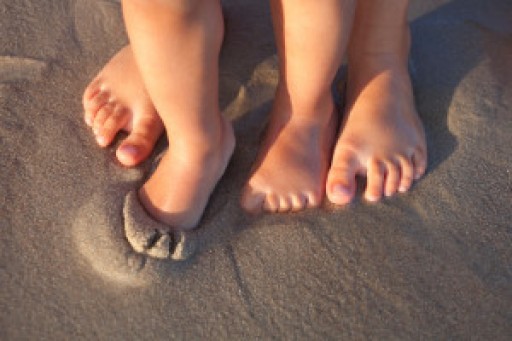
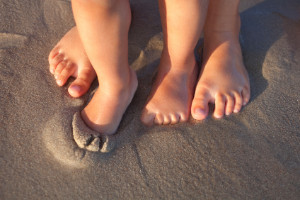
Children’s feet grow at different paces, and growth spurts can depend on the age of the child. This is a good reason to measure your child’s feet approximately every two months until they are six years old. When children are born up until the age of two, their feet are generally soft and flexible. During this stage of life, it is beneficial that children have access to different types of surfaces. Their ability to sense different textures is heightened, and foot muscles can begin to develop. Many parents choose to have their children walk barefoot while indoors, and this can help to strengthen the overall foot. When it is time to purchase their first pair of shoes, arch support is not recommended. Shoes that do not have an arch may allow the big toe to naturally extend. Additionally, the remaining toes can help to control the foot as walking is done, and may be harder to do with an arch in the shoe. If you would like to have more knowledge about what kind of shoes to purchase for your child, a podiatrist can give you the information you are seeking. 

The health of a child’s feet is vital to their overall well-being. If you have any questions regarding foot health, contact one of our podiatrists of Advanced Foot & Ankle Medical Center . Our doctors can provide the care you need to keep you pain-free and on your feet.

Tips for Keeping Children's Feet Healthy

  • Make sure their shoes fit properly
  • Look for any signs of in-toeing or out-toeing
  • Check to see if they have Clubfoot (condition that affects your child’s foot and ankle, twisting the heel and toes inward) which is one of the most common nonmajor birth defects.
  • Lightly cover your baby’s feet (Tight covers may keep your baby from moving their feet freely, and could prevent normal development)
  • Allow your toddler to go shoeless (Shoes can be restricting for a young child’s foot)
  • Cut toenails straight across to avoid ingrown toenails
  • Keep your child’s foot clean and dry
  • Cover cuts and scrapes. Wash any scratches with soap and water and cover them with a bandage until they’ve healed.

If you have any questions, please feel free to contact our office located in Thousand Oaks, CA . We offer the newest diagnostic and treatment technologies for all your foot care needs.

Read more about How to Care for Your Child's Feet

How to Care for Your Child's Feet

It is never normal for a child to experience pain in his or her feet. Foot pain that lasts more than a few days and limits a child’s ability to walk should be examined by a podiatrist. Many adult foot ailments originate in childhood and may be present at birth. Common foot issues that are experienced by children are pediatric flat foot, Sever’s disease, ingrown toenails, and plantar warts.

A child’s foot grows rapidly during the first year, allowing it to reach almost half of their adult foot size. Consequently, foot specialists consider the first year to be the most crucial point in the foot development process. There are ways you can help ensure that your child’s foot develops properly. One way is to carefully look at your baby’s feet. If you notice any deformities, you should immediately seek professional care. You should also loosely cover your child’s foot, since tight coverings may prevent movement and inhibit normal development. Another tip is to change the baby’s positioning throughout the day. If your baby lies down in one spot for too long, it may put an excess amount of strain on the feet and legs.

It is best that you try not to force a child to start walking. Children will begin to walk when they are both physically and emotionally capable to do so. You should also avoid comparing your child’s walking progress with other children because the age range for independent walking may range. When your child’s feet begin to develop, you may need to change both their shoe and sock size every few months to allow room for their feet to grow.

Kids are sometimes prone to splinters, cuts, and severe injuries because they tend to walk around barefoot. This also makes them more susceptible to developing plantar warts which is a condition caused by a virus that invades the sole of the foot through breaks in the skin. These ailments can be avoided by making sure your child wears shoes in unsanitary environments. You should also wash any minor cuts or scrapes on your child’s feet. It is a myth that exposure to fresh air will heal injuries; fresh air will only expose your child’s cuts to germs.

As a parent, you should ensure that your child’s feet are developing properly and are being properly maintained. Consequently, it is important that you perform routine inspections on his or her feet to detect any injuries or deformities in their early stages. Early detection and treatment will help to ensure that your child does not develop any serious foot conditions.

Tips for Protecting Your Feet if You Have Diabetes

Tips for Protecting Your Feet if You Have Diabetes

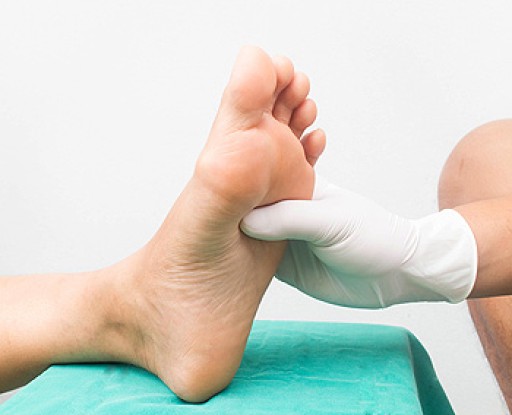
Many people with diabetes begin to develop problems in their lower legs and feet. Many develop corns, calluses, blisters, and skin ulcers. The main cause of ulcers is an increased level of blood sugar in the body, which can damage nerves (specifically those in the extremities). The result is a condition known as diabetic neuropathy, which is experienced by about 70 percent of diabetics, studies show. The numbing sensation to the feet invites all sorts of problems, including cracked heels, sores that go undetected, and increased exposure to bacterial and fungal infections. It is suggested that diabetics examine their feet daily for cracks, wounds, and sores. Wear shoes that fit properly, and avoid socks that are too tight. Avoid walking barefoot, indoors and out. Keep the feet clean and thoroughly dried each day. Quitting smoking and doing low-impact exercise are recommended by experts. Most importantly, if you have foot problems related to diabetes, please contact a podiatrist for regular visits to stay on top of any complications that may develop. 

Diabetic foot care is important in preventing foot ailments such as ulcers. If you are suffering from diabetes or have any other concerns about your feet, contact one of our podiatrists from Advanced Foot & Ankle Medical Center . Our doctors can provide the care you need to keep you pain-free and on your feet.

Diabetic Foot Care

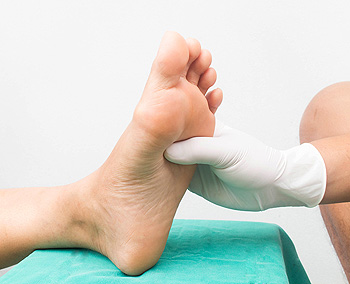
Diabetes affects millions of people every year. The condition can damage blood vessels in many parts of the body, especially the feet. Because of this, taking care of your feet is essential if you have diabetes, and having a podiatrist help monitor your foot health is highly recommended.

The Importance of Caring for Your Feet

  • Routinely inspect your feet for bruises or sores.
  • Wear socks that fit your feet comfortably.
  • Wear comfortable shoes that provide adequate support.

Patients with diabetes should have their doctor monitor their blood levels, as blood sugar levels play such a huge role in diabetic care. Monitoring these levels on a regular basis is highly advised.

It is always best to inform your healthcare professional of any concerns you may have regarding your feet, especially for diabetic patients. Early treatment and routine foot examinations are keys to maintaining proper health, especially because severe complications can arise if proper treatment is not applied.

If you have any questions please feel free to contact our office located in Thousand Oaks, CA . We offer the newest diagnostic and treatment technologies for all your foot and ankle needs.

Read more about Diabetic Foot Conditions

Diabetic Foot Conditions

Diabetic Foot Conditions

According to the American Diabetes Association (ADA), diabetes is a condition that affects approximately 23.6 million Americans.  Around 750,000 new cases are diagnosed each year, and the disease’s most common form, Type 2 diabetes, makes up for 90 to 95 percent of these cases.  Type 2 diabetes is especially prevalent among older Americans, those who are obese, and those who lead sedentary lifestyles.

Complications of the disease may lead to several foot and ankle-related conditions.  The loss of nerve sensation, or neuropathy, can cause diabetics to lose feeling at the bottom of the feet and therefore leave them unaware of pain, pressure, and heat.  Decreased circulation is another complication of diabetes that can slow down the healing of wounds and injuries; this can lead to the development of foot ulcers.

To prevent foot ulcers from forming, diabetics should examine their feet every day for small cuts and wear shoes that curtail pressure.  Constant monitoring for the risk factors associated with ulcer formation can allow for early detection and therefore lessen the possibility of ulcers or, even worse, amputation.  The removal of calluses and ingrown toenails should be left to the podiatrist to avoid improper removal and possible infection.

Diabetic patients may also experience foot deformities due to complications in their feet, such as limited joint mobility, muscle atrophy, and decreased fat padding.  These complications can increase pressure in certain areas of the foot, which in turn can cause certain deformities, such as hammertoe, to form.  Another deformity, Charcot foot, develops due to the collapsing of microfractures in the bones of the feet.  The resulting deformity is a foot that is flattened and wider in appearance.

To help minimize pressure and prevent the development of these diabetes-related foot and ankle conditions, your podiatrist may consider using orthotics or special shoes.  Charcot foot may be treated using walkers, custom orthotic insoles, or non-weight-bearing or rigid weight-bearing casts or braces.  In more serious cases, surgery may be considered to treat more developed deformities.  Ulcers can be further cared for with the help of proper diet, medication to control glucose, intensive wound care, and infection treatment.

Connect With Us

scroll-to-top