Different Types of Heel Pain

Different Types of Heel Pain

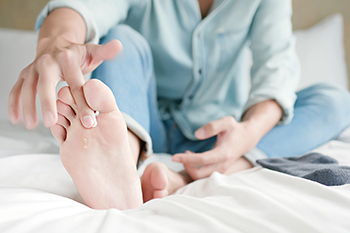
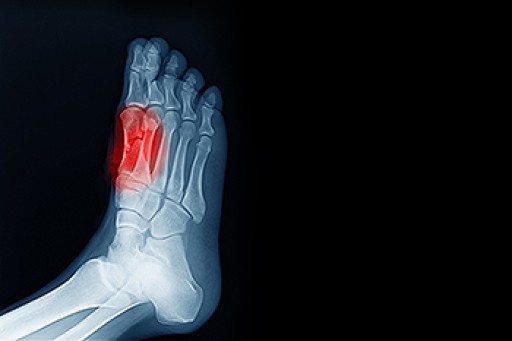
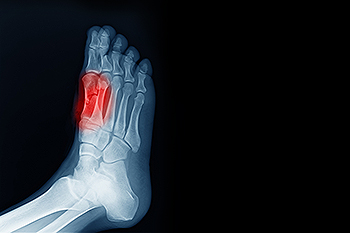
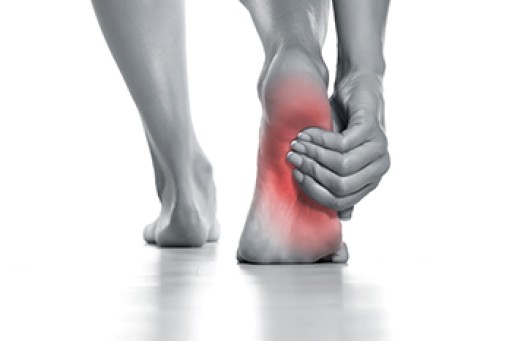
Heel pain is a common issue that can have various causes, often related to mechanical factors. The location of the pain can provide clues for diagnosis. Plantar fasciitis, a prevalent condition, leads to medial plantar heel pain, especially during the first steps in the morning or after rest. Other causes of plantar heel pain include calcaneal stress fractures, nerve entrapment, heel pad syndrome, neuromas, and plantar warts. Posterior heel pain is often due to Achilles tendinopathy, while pain at the tendon's insertion point is related to other tendinopathies. Haglund deformity, a protrusion of the calcaneus, can cause pain between the calcaneus and Achilles tendon. In children, Sever’s disease, a calcaneal apophysitis, may be the cause. Medial midfoot heel pain, especially with weight-bearing, might be linked to tarsal tunnel syndrome, caused by nerve compression. Sinus tarsi syndrome leads to lateral midfoot heel pain. If you have heel pain, it is suggested that you schedule an appointment with a podiatrist for a diagnosis of the problem so that the proper treatment can be provided.

Many people suffer from bouts of heel pain. For more information, contact one of our podiatrists of Advanced Foot & Ankle Medical Center . Our doctors can provide the care you need to keep you pain-free and on your feet.

Causes of Heel Pain

Heel pain is often associated with plantar fasciitis. The plantar fascia is a band of tissues that extends along the bottom of the foot. A rip or tear in this ligament can cause inflammation of the tissue.

Achilles tendonitis is another cause of heel pain. Inflammation of the Achilles tendon will cause pain from fractures and muscle tearing. Lack of flexibility is also another symptom.

Heel spurs are another cause of pain. When the tissues of the plantar fascia undergo a great deal of stress, it can lead to ligament separation from the heel bone, causing heel spurs.

Why Might Heel Pain Occur?

  • Wearing ill-fitting shoes                  
  • Wearing non-supportive shoes
  • Weight change           
  • Excessive running

Treatments

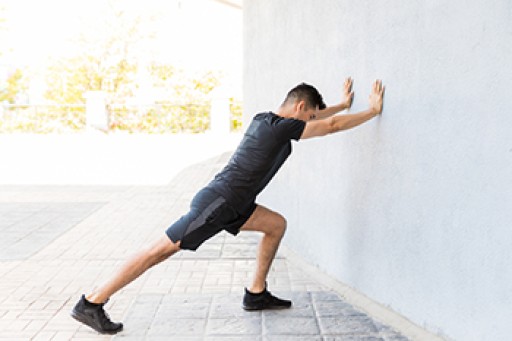
Heel pain should be treated as soon as possible for immediate results. Keeping your feet in a stress-free environment will help. If you suffer from Achilles tendonitis or plantar fasciitis, applying ice will reduce the swelling. Stretching before an exercise like running will help the muscles. Using all these tips will help make heel pain a condition of the past.

If you have any questions please contact our office located in Thousand Oaks, CA . We offer the newest diagnostic and treatment technologies for all your foot and ankle needs.

Read more about Heel Pain

Surgery for Ingrown Toenails

Surgery for Ingrown Toenails

Ingrown toenails can be a persistent source of discomfort, often caused by improper toenail care or wearing ill-fitting shoes. When conservative measures fail, surgical intervention becomes a viable solution to address the root cause and provide lasting relief. The primary goal of ingrown toenail surgery is to eliminate infection and pain. Before considering surgery, it is beneficial to implement conservative measures. These can include cutting toenails straight across and avoiding leaving sharp edges, and opting for shoes that accommodate the natural position of the toes. In some cases, a podiatrist may be able to manually address the issue by pushing the skin away from the ingrown toenail or carefully trimming the offending toenail section. Surgical procedures for ingrown toenails include nail avulsion, involving the complete removal of the toenail and wedge excision. This procedure removes the section of the toenail growing into the skin, along with the adjacent tissue. Another surgical remedy is nail-bed ablation, partial or complete toenail removal. This is followed by the application of a chemical to the tissue where the toenail originates. Electrocautery methods may also be employed. If you experience ingrown toenails on a regular basis, it is suggested that you schedule an appointment with a podiatrist for a full examination and suggested treatment options. 

Ingrown toenails may initially present themselves as a minor discomfort, but they may progress into an infection in the skin without proper treatment. For more information about ingrown toenails, contact one of our podiatrists of Advanced Foot & Ankle Medical Center . Our doctors can provide the care you need to keep you pain-free and on your feet.

Ingrown Toenails

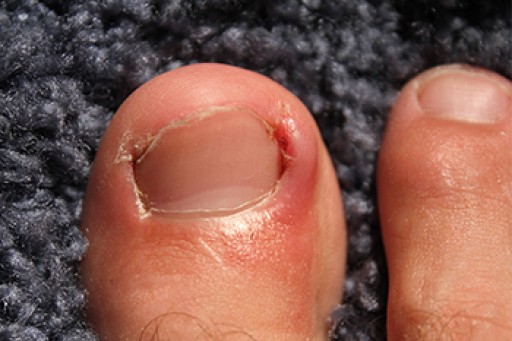
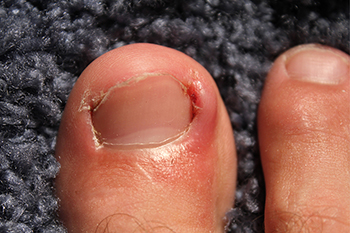
Ingrown toenails are caused when the corner or side of a toenail grows into the soft flesh surrounding it. They often result in redness, swelling, pain, and in some cases, infection. This condition typically affects the big toe and may recur if it is not treated properly.

Causes

  • Improper toenail trimming
  • Genetics
  • Improper shoe fitting
  • Injury from pedicures or nail picking
  • Abnormal gait
  • Poor hygiene

You are more likely to develop an ingrown toenail if you are obese, have diabetes, arthritis, or have any fungal infection in your nails. Additionally, people who have foot or toe deformities are at a higher risk of developing an ingrown toenail.

Symptoms

Some symptoms of ingrown toenails are redness, swelling, and pain. In rare cases, there may be a yellowish drainage coming from the nail.

Treatment

Ignoring an ingrown toenail can have serious complications. Infections of the nail border can progress to a deeper soft-tissue infection, which can then turn into a bone infection. You should always speak with your podiatrist if you suspect you have an ingrown toenail, especially if you have diabetes or poor circulation.

If you have any questions, please feel free to contact our office located in Thousand Oaks, CA . We offer the newest diagnostic and treatment technologies for all your foot care needs.

Read more about Ingrown Toenail Care

Ingrown Toenail Care

Ingrown Toenail Care

An ingrown toenail is a toenail that grows sideways into the nail bed, causing pain and swelling. Ingrown toenails can worsen and cause drainage, turning into a serious infection.

Several factors affect whether a person is at risk from an ingrown toenail. The many causes include being overweight, diabetes, participating in sports, having a fungal infection of the toe, and cutting your nails too short. Ingrown toenails also have a genetic predisposition, causing some people to be more prone to receive the condition than others. Other causes include improperly fitting shoes and shoes that keep the feet damp.

Ingrown toenails can be preventable with certain measures. For starters, allowing your toe nails to grow slightly longer in length will help prevent them from becoming ingrown. If you have already developed an ingrown toenail, soak the affected toe in warm water. This will alleviate the pain and help prevent an infection from forming. Antibiotic soap or Epsom salts may be added to further help the relieving process and avoid infection. Placing cotton beneath the affected area is also suggested, as this may help the toenail grow upwards and not into the nail bed. Swelling and redness can be reduced by resting with your feet elevated.

A podiatrist should be seen if the pain becomes so serious that it prevents you from doing your everyday activities. If a red streak running up your leg appears or if you suspect your infection has spread, contact a podiatrist immediately. Fast treatments can be undertaken to lessen your pain and have you walking comfortably.

An ingrown toenail can be easily treated with a Band-Aid. Simply wrap the affected toe with a Band-Aid to prevent infection and keep the nail from growing out at a painful angle.

In more serious cases, your podiatrist may decide to make a small incision to remove a portion of your toenail. To prevent the nail from growing back, medication will be placed directly into the nail bed. This procedure would be performed under local anesthesia and is a faster method to alleviate discomfort from an ingrown toenail. Post-procedure directions will have you stay off the affected foot for a day. Afterwards, normal activities can be resumed.  

Wounds That Don't Heal Need to Be Checked

Wounds That Don't Heal Need to Be Checked

Your feet are covered most of the day. If you're diabetic, periodic screening is important for good health. Numbness is often a sign of diabetic foot and can mask a sore or wound.

Causes and Risk Factors for Athlete’s Foot

Causes and Risk Factors for Athlete’s Foot

Athlete's foot, or tinea pedis, is a fungal infection that affects up to 70 percent of the population. Despite its name, athlete’s foot is not limited to athletes. It can affect anyone exposed to various fungi that thrive in warm and moist environments, such as gyms, locker rooms, swimming pools, and communal showers. Exposure is also possible at nail salons and through contact with contaminated socks, towels and clothing. Direct person-to-person transmission is also possible. Walking barefoot in areas frequented by someone with athlete's foot is a common mode of transmission. Warmth combined with moisture is a popular breeding ground for fungal infections like athlete’s foot. Several factors increase the risk of developing this annoying condition. Walking barefoot in wet, dark areas and wearing footwear made of material that does not breathe create an ideal environment for fungal growth. Excessive sweating or exposure to external moisture increases the risk. Wearing the same shoes and socks for extended periods can damage the skin and leave you open to infection. Individuals with diabetes are predisposed, and having eczema may contribute. Athlete's foot appears to affect more men than women. Pedicures performed in contaminated environments also can contribute to the spread of the disease. If you have been infected with athlete’s foot that has become problematic, it is suggested that you schedule an appointment with a podiatrist for an examination and advanced treatment measures. 

Athlete’s foot is an inconvenient condition that can be easily reduced with the proper treatment. If you have any concerns about your feet and ankles, contact one of our podiatrists from Advanced Foot & Ankle Medical Center .  Our doctors will treat your foot and ankle needs.

Athlete’s Foot: The Sole Story

Athlete's foot, also known as tinea pedis, can be an extremely contagious foot infection. It is commonly contracted in public changing areas and bathrooms, dormitory style living quarters, around locker rooms and public swimming pools, or anywhere your feet often come into contact with other people.

Solutions to Combat Athlete’s Foot

  • Hydrate your feet by using lotion
  • Exfoliate
  • Buff off nails
  • Use of anti-fungal products
  • Examine your feet and visit your doctor if any suspicious blisters or cuts develop

Athlete’s foot can cause many irritating symptoms such as dry and flaking skin, itching, and redness. Some more severe symptoms can include bleeding and cracked skin, intense itching and burning, and even pain when walking. In the worst cases, Athlete’s foot can cause blistering as well. Speak to your podiatrist for a better understanding of the different causes of Athlete’s foot, as well as help in determining which treatment options are best for you.

If you have any questions please feel free to contact our office located in Thousand Oaks, CA . We offer the newest diagnostic and treatment technologies for all your foot and ankle needs.
Read more about Athlete's Foot

Athlete's Foot

Athlete's Foot

Athlete’s foot is an extremely contagious infection caused by a fungus that results in itching, burning, dry, and flaking feet. The fungus that causes athlete’s foot is known as tinea pedis and thrives in moist, dark areas such as shower floors, gyms, socks and shoes, commons areas, public changing areas, bathrooms, dormitory style houses, locker rooms, and public swimming pools. Athlete’s foot is difficult to treat as well because of the highly contagious and recurrent nature of the fungus.

Tinea is the same fungus that causes ringworm, and is spread by direct contact with an infected body part, contaminated clothing, or by touching other objects and body parts that have been exposed to the fungus. Because the feet are an ideal place for tinea to grow and spread, this is the most commonly affected area.  It is, however, known to grow in other places. The term athlete’s foot describes tinea that grows strictly on the feet.

The most commonly infected body parts are the hands, groin, and scalp, as well as the feet. Around 70% of the population suffer from tinea infections at some point in their lives, however not all of these cases are athlete’s foot. Just like any other ailment, some people are more likely to get it than others, such as people with a history of tinea infections or other skin infections, both recurring and non-recurring ones. The extent to which a person experiences regrowth and recurrent tinea infections varies from person to person.

Sometimes people will not even know that they are infected with tinea or that they have athlete’s foot because of a lack of symptoms. However, most experience mild to moderate flaking, itching, redness, and burning. However, some of the more severe symptoms include cracking and bleeding skin, intense itching and burning, pain while walking or standing, and even blistering.

Because of the recurring nature of the tinea fungus and the athlete’s foot it causes, the best way to treat this condition is with prevention. You can take some preventative measures such as wearing flip flops or sandals in locker rooms and public showers to reduce contact with the floor. It also helps to keep clean, dry feet while allowing them to breathe. Using powders to keep your feet dry is a good idea, as well as keeping your feet exposed to light and cool air, to prevent the growth of tinea. If you do happen to get athlete’s foot, opt for using topical medicated creams, ointments or sprays. These treatments help eliminate and prevent it from coming back.

Sesamoiditis

Sesamoiditis

Sesamoiditis is a condition that affects the joint that is just behind the big toe in the area known as the ball of the foot. It is most common in younger people and people who have just begun an exercise program. Since the sesamoid bones are like a pulley controlling the big toe, they can rub against each other and cause a gradual onset of pain. Pain may also be caused by the inflammation of tendons surrounding the bones. If ignored, sesamoiditis can lead to other, more serious problems such as severe irritation and fractures of the bones.

The cause of sesamoiditis is sudden increase in activity. The ball of your foot acts as a springboard to help you lift off when you are jogging or running. Sudden increase in the use of these bones or the tendon that controls them can cause irritation. The tendon then begins to develop inflammation and the joint begins to swell. People with smaller, bonier feet or those with a high arch are typically more susceptible to this condition.

Sesamoiditis is fairly simple to diagnose since the symptoms have a gradual onset rather than a sudden impact. The symptoms begin with slight irritation around the joint shortly after the increase in activity. The discomfort eventually turns to pain with light swelling and possibly redness. Although redness or bruising are rare, this may be a symptom. After each session of exercising, the aggravated joint becomes more irritated and increases into a very intense throbbing.

Treatment for sesamoiditis can vary depending on the severity of the situation. However, treatment is almost always approached in a noninvasive way. For a case that is just beginning the doctor may recommend a very strict rest period that will limit the activity allowed on the joint. If you must be active, a recommendation for as modified shoe or insole, along with bandaging and immobilizing the big toe will be made to ensure that pressure is not placed on the joint. For severe cases, it is typically recommended that the joint and the big toe be completely immobilized to allow adequate time to heal. Ice and an over the counter anti-inflammatory may can help with the pain and discomfort while you are at rest.

When you return to your regular exercise activities, it is recommended that you use an insole that will allow even distribution of impact to your entire foot, rather than just the balls of your foot. This will prevent further aggravation of the injury.


Pain Caused by Sesamoiditis

Pain Caused by Sesamoiditis

Sesamoiditis causes pain beneath the big toe and is often exacerbated by weight-bearing and specific footwear choices. The two tiny sesamoid bones, located just below the big toe, are integral to foot locomotion. They can be affected by direct trauma or positional changes, especially in individuals with high-arched feet, bunions, or those who wear high heels. For dancers, joggers, and those individuals with certain foot structures, the discomfort associated with sesamoiditis can be particularly challenging. Diagnosis by a podiatrist relies on examination of the toe, and determining range of motion. Other tests, such as synovial fluid analysis and X-rays, may be used to exclude infection and fractures. Pain from sesamoiditis is often intensified by walking and may involve inflammation, warmth, and swelling around the 1st metatarsophalangeal, or MTP, joint. Footwear modification and custom orthotics can play a pivotal role in managing symptoms. Wearing thick-soled shoes may also help alleviate sesamoid pressure. In cases where a sesamoid fracture without displacement is identified, treatment involves immobilizing the joint with a flat, rigid, surgical shoe. For help with pain resulting from sesamoiditis, it is suggested that you schedule an appointment with a podiatrist for an exam and treatment.

Sesamoiditis is an unpleasant foot condition characterized by pain in the balls of the feet. If you think you’re struggling with sesamoiditis, contact one of our podiatrists of Advanced Foot & Ankle Medical Center . Our doctors will treat your condition thoroughly and effectively.

Sesamoiditis

Sesamoiditis is a condition of the foot that affects the ball of the foot. It is more common in younger people than it is in older people. It can also occur with people who have begun a new exercise program, since their bodies are adjusting to the new physical regimen. Pain may also be caused by the inflammation of tendons surrounding the bones. It is important to seek treatment in its early stages because if you ignore the pain, this condition can lead to more serious problems such as severe irritation and bone fractures.

Causes of Sesamoiditis

  • Sudden increase in activity
  • Increase in physically strenuous movement without a proper warm up or build up
  • Foot structure: those who have smaller, bonier feet or those with a high arch may be more susceptible

Treatment for sesamoiditis is non-invasive and simple. Doctors may recommend a strict rest period where the patient forgoes most physical activity. This will help give the patient time to heal their feet through limited activity. For serious cases, it is best to speak with your doctor to determine a treatment option that will help your specific needs.

If you have any questions please feel free to contact our office located in Thousand Oaks, CA . We offer the newest diagnostic and treatment technologies for all your foot and ankle needs.

Read more about Sesamoiditis

Exercise for Your Feet

Exercise for Your Feet

Whether your feet are over-worked or under-worked, chances are they could benefit from some special attention. Even those who exercise regularly probably do not spend any time strengthening their feet. This can be just as rewarding as strengthening the rest of the body, since the health of your feet affects the health of the rest of the body as well, especially the ankles, legs, and spine.

For those who might not have any idea on how a foot-specific exercise might be conducted, there are several workouts that are fairly easy to perform in the comfort of ones’ home. One of the easiest is the toe rise, also known as the tip-toe. This exercise involves standing on the tip-toes for a count of 15 then resting the feet on the ground. This process should be repeated a minimum of three times a day in order to strengthen the feet.

Toe pick-ups strengthen the feet by working them in a very different way. In this exercise, small items are picked up using the toes in order to strengthen the muscles on the upper part of the feet. Once again three sets should be performed, with the item in question being held for 15 seconds then dropped. Items that may be picked up using the feet include marbles and even stationery, which works wonders for the toes and the surrounding muscles.

Yet another simple workout is the ankle pump. This can be done either upwards or downwards, but for the workout to be most effective both can be incorporated into the routine. As the term suggests, this involves lifting the foot off the floor and flexing the toes either towards the shin or towards the ground. This movement puts the feet and ankles through a large range of motion which works the muscles.

Last but not least, feet should be stretched so that the muscles can relax and recuperate. This can be done by placing both feet off of the floor and bracing oneself against the wall at a 45 degree angle. This ensures that the feet and ankles are adequately stretched once the workout is complete.

In short, giving the feet a good workout every now and then is important in order to avoid problems such as plantar fasciitis. It’s also important to warm-up or cool-down after running or vigorous walking. Foot exercises may be followed by a good foot massage. This encourages circulation in the feet as well as muscle relaxation.

Exercises Can Improve Ankle Mobility

Exercises Can Improve Ankle Mobility

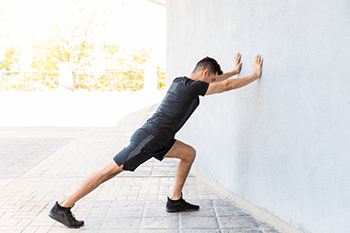
Mobility in the ankle joint is vital for everyday activities such as walking, climbing stairs, and transitioning between sitting and standing. Reduced ankle mobility can stem from various factors, with tight calf muscles being a primary contributor. The calf muscle, situated at the back of the shin, plays an essential role in the ability to flex and extend the foot. When this calf muscle becomes tight, it can affect overall ankle movement. In addition, scar tissue at the front of the ankle can also lead to anterior ankle impingement. It may cause discomfort and restrict movement, particularly during activities like squats. To counteract reduced ankle mobility, incorporating targeted exercises into your routine is important. One such effective exercise focuses on stretching the calf muscles, including the gastrocnemius. This wall stretch involves standing upright with one leg straight behind you and the other in front. While keeping the heel of your hindfoot on the floor, lean against the wall. Maintain this position until you feel a light pull on the back of your leg, holding for 45 seconds. Repeat this stretch several times daily to alleviate tightness and enhance ankle mobility. Whether you are an athlete aiming to optimize performance or simply want relief from ankle discomfort, it is suggested that you make an appointment with a podiatrist who can evaluate the situation and present you with appropriate treatment options. 

Exercising your feet regularly with the proper foot wear is a great way to prevent injuries and build strength. If you have any concerns about your feet, contact one of our podiatrists from Advanced Foot & Ankle Medical Center . Our doctors can provide the care you need to keep you pain-free and on your feet.

Exercise for Your Feet

Exercise for your feet can help you gain strength, mobility and flexibility in your feet. They say that strengthening your feet can be just as rewarding as strengthening another part of the body. Your feet are very important, and we often forget about them in our daily tasks. But it is because of our feet that are we able to get going and do what we need to. For those of us fortunate enough to not have any foot problems, it is an important gesture to take care of them to ensure good health in the long run.

Some foot health exercises can include ankle pumps, tip-toeing, toe rises, lifting off the floor doing reps and sets, and flexing the toes. It is best to speak with Our doctors to determine an appropriate regimen for your needs. Everyone’s needs and bodies are different, and the activities required to maintain strength in the feet vary from individual to individual. 

Once you get into a routine of doing regular exercise, you may notice a difference in your feet and how strong they may become.

If you have any questions please feel free to contact our office located in Thousand Oaks, CA . We offer the newest diagnostic and treatment technologies for all your foot and ankle needs.

Read more about Exercise for Your Feet

Connect With Us

scroll-to-top