

How Rheumatoid Arthritis Affects the Feet and Ankles

How Rheumatoid Arthritis Affects the Feet and Ankles

Rheumatoid arthritis (RA) is an autoimmune disorder that causes the body’s immune system to attack the lining of the joints. This leads to joint pain, as well as weakened tendons and ligaments. RA often affects the joints of the feet and ankles, especially in the early stages of the disease. Symptoms of this condition include painful, swollen, and stiff joints. Over time, RA can also change the position of joints, leading to misalignment and a decrease in joint function and range of motion. The earlier RA is detected and diagnosed, the earlier treatment can begin. Early treatment can prevent RA symptoms from worsening. If you have RA and experience foot and ankle symptoms, it is suggested that you are under the care of a podiatrist, who can help you manage this condition and stay on your feet. 

Because RA affects more than just your joints, including the joints in your feet and ankles, it is important to seek early diagnosis from your podiatrist if you feel like the pain in your feet might be caused by RA. For more information, contact one of our podiatrists of Advanced Foot & Ankle Medical Center . Our doctors will assist you with all of your podiatric concerns.

What Is Rheumatoid Arthritis?

Rheumatoid Arthritis (RA) is an autoimmune disorder in which the body’s own immune system attacks the membranes surrounding the joints. Inflammation of the lining and eventually the destruction of the joint’s cartilage and bone occur, causing severe pain and immobility.

Rheumatoid Arthritis of the Feet

Although RA usually attacks multiple bones and joints throughout the entire body, almost 90 percent of cases result in pain in the foot or ankle area.

Symptoms

  • Swelling and pain in the feet
  • Stiffness in the feet
  • Pain on the ball or sole of feet
  • Joint shift and deformation

Diagnosis

Quick diagnosis of RA in the feet is important so that the podiatrist can treat the area effectively. Your doctor will ask you about your medical history, occupation, and lifestyle to determine the origin of the condition. Rheumatoid Factor tests help to determine if someone is affected by the disease.

If you have any questions please feel free to contact our office located in Thousand Oaks, CA . We offer the newest diagnostic and treatment technologies for all your foot and ankle needs.
Read more about Rheumatoid Arthritis in the Feet

Ankle Sprains

Ankle Sprains

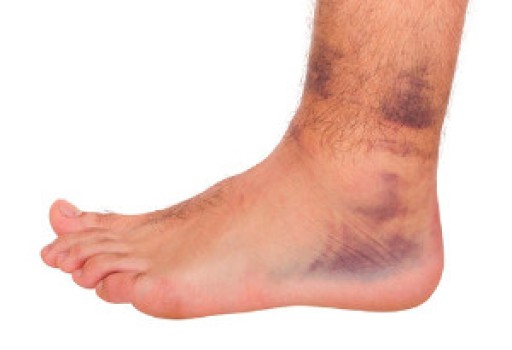
Although ankle sprains may not be as serious as a broken ankle, they should be given immediate attention and care. An ankle sprain can lead to a significant amount of pain, as well as limited mobility. They are often characterized by the swelling and discoloration of the skin. This occurs when the ligaments are stretched beyond their limits.

The simple act of walking can sometimes cause a sprain, which makes ankle sprains a very common injury that can happen to anyone. They occur when the ankle twists in an awkward way or rolls over itself, causing a pop or snap in the tendons around the ankle. Some people are more at risk than others. These include athletes who continually push their bodies to the limits and also people who have previously suffered accidents to the feet, ankles, or lower legs.

Most of the time, an ankle sprain is not severe enough for hospital attention. There are many at-home treatment options available, including propping the leg up above your head to reduce blood flow and inflammation, applying ice packs to the affected area as needed, taking over-the-counter pain relievers and anti-inflammatory medication, using an ACE bandage to wrap and support the injured ankle, and most importantly, remaining off your feet until the ankle has fully healed.

Despite this, an ankle sprain can turn into a severe injury that might require hospitalization. If the ankle ligaments or muscles are damaged from a tear or rip, that is one sign that the sprain is severe enough for hospital attention and possibly for surgery. Even after the surgery, the recovery process can be long. You may need to have rehabilitation sessions administered by your podiatrist to get your ankle back to full health.

The severity of your sprain might become apparent if you are unable to stand or walk, consistent pain occurs over a prolonged period of time, swelling is much more severe than initially present, or if you start to experience tingling or numbness. These signs may indicate that your ankle sprain might actually be a broken ankle, an injury that requires immediate medical attention.

Although they are not completely avoidable, ankle sprains can be curbed with some preventative treatment measures. These include wearing appropriate-fitting shoes that not only provide a comfortable fit, but also ankle support. It is also recommended to stretch before doing any kind of physical activity, as this will help lower your body’s chance for an injury.

Types of Ankle Sprains

Types of Ankle Sprains

Ankle sprains occur as damage or a tear to the ligaments surrounding the ankle. Ankle sprains most commonly occur when the ankle is twisted inward (inversion), but they may also occur when the ankle twists outward (eversion). Sprains are categorized into three tiers. A first degree sprain is generally mild, and the ankle is weakened. A second degree sprain results in a swollen and bruised ankle, and walking can be difficult and painful. Sprained ankles that are unstable and unable to bear weight are considered to be third degree sprains. These sprains usually cause the whole ankle to swell, and the nerves and cartilage may be damaged as well. Those who have severely sprained their ankle should consult with a podiatrist. A podiatrist will make sure that the ankle has not been fractured and will provide options to stabilize the ankle to help it heal.  

Ankle sprains are common but need immediate attention. If you need your feet checked, contact one of our podiatrists from Advanced Foot & Ankle Medical Center . Our doctors can provide the care you need to keep you pain-free and on your feet.

How Does an Ankle Sprain Occur?

Ankle sprains take place when the ligaments in your ankle are torn or stretched beyond their limits. There are multiple ways that the ankle can become injured, including twisting or rolling over onto your ankle, putting undue stress on it, or causing trauma to the ankle itself.

What Are the Symptoms?

  • Mild to moderate bruising
  • Limited mobility
  • Swelling
  • Discoloration of the skin (depending on severity)

Preventing a Sprain

  • Wearing appropriate shoes for the occasion
  • Stretching before exercises and sports
  • Knowing your limits

Treatment of a Sprain

Treatment of a sprain depends on the severity.  Many times, people are told to rest and remain off their feet completely, while others are given an air cast. If the sprain is very severe, surgery may be required.

If you have suffered an ankle sprain previously, you may want to consider additional support such as a brace and regular exercises to strengthen the ankle.

If you have any questions please feel free to contact our office located in Thousand Oaks, CA . We offer the newest diagnostic and treatment technologies for all your foot and ankle needs.

Read more about Ankle Sprains

See If You're Eligible for Orthotics or More

See If You're Eligible for Orthotics or More

If you've met your deductible for the year, you may be eligible for your first or an extra pair of orthotics, bunion surgery, ingrown toenail surgery, or more.

Please contact our office for more information.

Heel Pain

Heel pain can be difficult to deal with, especially if you do not know what the underlying cause is. If you ignore your heel pain, the pain can magnify and potentially develop into a chronic condition. Depending on the location of your heel pain, you have developed a specific condition.  

One condition is plantar fasciitis.  Plantar fasciitis is caused by the inflammation of the plantar fascia, or the band of tissue that connects the heel bone to the base of the toes. The pain from this condition is initially mild but can intensify as more steps are taken when you wake up in the morning. To treat this condition, medication will likely be necessary. Plantar fasciitis is often associated with heel spurs; both require rest and special stretching exercises.

There are various options your podiatrist may suggest for heel pain.  Treatment options for heel pain typically include non-steroidal anti-inflammatory drugs (NSAIDS), which may reduce swelling and pain. Other options are physical therapy, athletic taping, and orthotics. In severe cases of heel pain, surgery may be required.

Preventing heel pain is possible.  If you are looking to prevent heel pain from developing in the future, be sure to wear shoes that fit you properly and do not have worn down heels or soles. Be sure to warm up properly before participating in strenuous activities or sports that place a lot of a stress on the heels. If you are experiencing any form of heel pain, speak with your podiatrist to determine the underlying cause and receive the treatment you need.

Different Types of Heel Pain

Different Types of Heel Pain

Heel pain affects roughly 1 out of every 10 people in the world, particularly runners and those between the ages of 40 and 60. Heel pain generally builds up and worsens over time, and most commonly it is a result of damage to the plantar fascia. The plantar fascia is the band of tissue that runs along the sole of the foot and connects the heel bone to the toes. Any damage, whether it is sudden or reoccurring over time, will cause the plantar fascia to thicken, along with the surrounding tissues and heel bone. This is known as plantar fasciitis. Other less common sources of heel pain include stress fractures, bursitis, wearing of the fat pad under the heel, or a heel spur. If you are suffering from heel pain, it is important to consult with a podiatrist to receive a proper diagnosis. Once the source of the pain is determined, your podiatrist will be able to provide treatment options for your specific condition.

Many people suffer from bouts of heel pain. For more information, contact one of our podiatrists of Advanced Foot & Ankle Medical Center . Our doctors can provide the care you need to keep you pain-free and on your feet.

Causes of Heel Pain

Heel pain is often associated with plantar fasciitis. The plantar fascia is a band of tissues that extends along the bottom of the foot. A rip or tear in this ligament can cause inflammation of the tissue.

Achilles tendonitis is another cause of heel pain. Inflammation of the Achilles tendon will cause pain from fractures and muscle tearing. Lack of flexibility is also another symptom.

Heel spurs are another cause of pain. When the tissues of the plantar fascia undergo a great deal of stress, it can lead to ligament separation from the heel bone, causing heel spurs.

Why Might Heel Pain Occur?

  • Wearing ill-fitting shoes                  
  • Wearing non-supportive shoes
  • Weight change           
  • Excessive running

Treatments

Heel pain should be treated as soon as possible for immediate results. Keeping your feet in a stress-free environment will help. If you suffer from Achilles tendonitis or plantar fasciitis, applying ice will reduce the swelling. Stretching before an exercise like running will help the muscles. Using all these tips will help make heel pain a condition of the past.

If you have any questions please contact our office located in Thousand Oaks, CA . We offer the newest diagnostic and treatment technologies for all your foot and ankle needs.

Read more about Heel Pain

Treating Toenail Fungus

Treating Toenail Fungus

Fungal infection of the toenail, or onychomycosis, typically appears as a gradual change in a toenail’s texture and color that involves brittleness and darkening.  The fungal infection itself occurs beneath the surface of the nail.  Aside from discoloration, other symptoms include the collection of debris beneath the nail plate, white marks on the nail plate, and a foul odor emanating from the nail.  If ignored, the infection can spread into other nails and the skin; in severe cases, it can hinder one’s ability to work or walk. 

The toenails are particularly vulnerable to contracting infection in moist environments where people are likely to be walking barefoot, such as around swimming pools, public showers, and locker rooms.  Fungal infection may also be more likely to occur in nail beds that have been injured, and sufferers of chronic diseases such as diabetes, circulatory problems, or immunodeficiency conditions are particularly prone to developing fungal nails. 

Fungal nails can be primarily prevented by practicing proper hygiene and regularly examining the feet and toes.  Carefully washing the feet with soap and water and thoroughly drying the feet afterwards are essential.  Other tips include wearing shower shoes in public areas, changing shoes and socks daily, keeping toenails clipped at a short length, wearing breathable shoes that fit properly, wearing moisture-wicking socks, and disinfecting home pedicure tools and instruments used to cut nails.

Fungal nail treatment may vary between patients and the severity of the condition.  Your podiatrist may suggest a daily routine of cleansing that spans over a period of time to ease mild infections.  Over-the-counter or prescription antifungal agents may also be prescribed, including topical and/or oral medications.  Debridement, or the removal of diseased nail matter and debris, may also be performed.  In more severe cases, surgical treatment may be needed.  In some instances, the temporary removal of the fungal nail allows for the direct application of a topical antifungal to the nail bed.  In other cases, a chronically painful fungal nail that has not responded to other treatments may be permanently removed; this allows the infection to be cured and avoids the growth of a deformed nail.  

Causes of Fungal Nail Infections

Causes of Fungal Nail Infections

Fungal nail infections, also known as onychomycosis, can cause the nails to become thick, yellow, and crumbly. Fungal nail infections are usually not painful unless they become severe. Small cracks in the nail or the skin surrounding the nail allow for fungi to come into the nail and infect it. Those who have an injury to the nail, are diabetic, or have a weakened immune system, are said to be at a higher risk of developing a fungal nail infection. Fungi often thrive in warm, moist environments, such as locker rooms and public pools, and the fungi tend to spread to others while in these areas. Because antifungal medication or removal of the nail may be necessary to get rid of the infection fully, those who are experiencing a fungal nail infection should consult a podiatrist.

If left untreated, toenail fungus may spread to other toenails, skin, or even fingernails. If you suspect you have toenail fungus it is important to seek treatment right away. For more information about treatment, contact one of our podiatrists of Advanced Foot & Ankle Medical Center . Our doctors can provide the care you need to keep you pain-free and on your feet.

Symptoms

  • Warped or oddly shaped nails
  • Yellowish nails
  • Loose/separated nail
  • Buildup of bits and pieces of nail fragments under the nail
  • Brittle, broken, thickened nail

Treatment

If self-care strategies and over-the-counter medications does not help your fungus, your podiatrist may give you a prescription drug instead. Even if you find relief from your toenail fungus symptoms, you may experience a repeat infection in the future.

Prevention

In order to prevent getting toenail fungus in the future, you should always make sure to wash your feet with soap and water. After washing, it is important to dry your feet thoroughly especially in between the toes. When trimming your toenails, be sure to trim straight across instead of in a rounded shape. It is crucial not to cover up discolored nails with nail polish because that will prevent your nail from being able to “breathe”.

In some cases, surgical procedure may be needed to remove the toenail fungus. Consult with your podiatrist about the best treatment options for your case of toenail fungus.  

If you have any questions, please feel free to contact our office located in Thousand Oaks, CA . We offer the newest diagnostic and treatment technologies for all your foot care needs.


Read more about Treating Toenail Fungus

Foot Surgery

Foot Surgery

In most cases, foot surgery is often chosen as the last available option for conditions that have otherwise been unsuccessfully treated. Surgery may be necessary for several reasons, including the removal of foot deformities (e.g. bone spurs or bunions), arthritis problems, reconstruction due to injury, and congenital malformations (e.g. club foot or flat feet). Regardless of one’s age, foot surgery may be the only successful option for treatment for certain conditions.

The type of surgery one undergoes depends on the type of foot condition the patient has. For the removal of a bunion growth, a bunionectomy is necessary. If the bones in the feet need to be realigned or fused together, a surgical fusion of the foot is needed. For pain or nerve issues, a patient may require surgery in which the tissues surrounding the painful nerve are removed. Initially, less invasive treatments are generally attempted; surgery is often the last measure taken if other treatments are unsuccessful.

While in many cases surgery is often deemed as the final resort, choosing surgery comes with certain benefits. The associated pain experienced in relation to the particular condition is often relieved with surgery, allowing patients to quickly resume daily activities. The greatest benefit, however, is that surgery generally eliminates the problem immediately.

Podiatry history has shown that foot treatments continue to evolve over time. In the field of foot surgery, endoscopic surgery is just one of the many advanced forms of surgery. As technology vastly improves so too will the various techniques in foot surgery, which already require smaller and smaller incisions with the use of better and more efficient tools. Thanks to such innovations, surgery is no longer as invasive as it was in the past, allowing for faster and easier recoveries. 

What Is a Foot Osteotomy?

What Is a Foot Osteotomy?

An osteotomy is a type of surgery that removes parts of a bone in your foot. The bone is then reshaped to relieve pain and pressure from a deformity or injury. Some conditions that may require this surgery are fractures, bunions, hammertoes, and flat feet. Prior to undergoing an osteotomy, the doctor will take X-rays of your foot to diagnose your condition and plan the surgery. The purpose of osteotomies are to relieve pain, improve alignment and walking, and reduce the likelihood of arthritis. This type of surgery is done while you are under anesthesia. After the surgery, you may be required to use crutches to keep weight off of your foot. For more information about osteotomies, and to find out if surgery may be an option for you, consult with a podiatrist. 

Foot surgery is sometimes necessary to treat a foot ailment. To learn more, contact one of our podiatrists of Advanced Foot & Ankle Medical Center . Our doctors will assist you with all of your foot and ankle needs.

When Is Surgery Necessary?

Foot and ankle surgery is generally reserved for cases in which less invasive, conservative procedures have failed to alleviate the problem. Some of the cases in which surgery may be necessary include:

  • Removing foot deformities like bunions and bone spurs
  • Severe arthritis that has caused bone issues
  • Cosmetic reconstruction

What Types of Surgery Are There?

The type of surgery you receive will depend on the nature of the problem you have. Some of the possible surgeries include:

  • Bunionectomy for painful bunions
  • Surgical fusion for realignment of bones
  • Neuropathy decompression surgery to treat nerve damage

Benefits of Surgery

Although surgery is usually a last resort, it can provide more complete pain relief compared to non-surgical methods and may allow you to finally resume full activity.

Surgical techniques have also become increasingly sophisticated. Techniques like endoscopic surgery allow for smaller incisions and faster recovery times.

If you have any questions please feel free to contact our office located in Thousand Oaks, CA . We offer the newest diagnostic and treatment technologies for all your foot and ankle needs.

Read more about Foot Surgery

Connect With Us

scroll-to-top