What to Do if You Have a Foot Blister

What to Do if You Have a Foot Blister

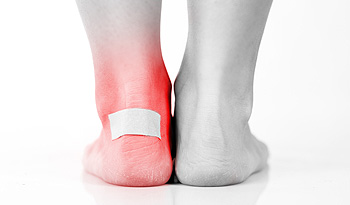
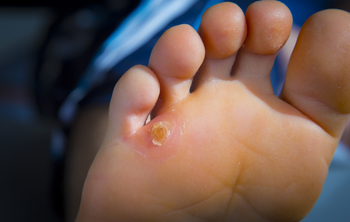
Blisters on the feet are a common occurrence. They are usually the result of friction from your shoes rubbing against a specific area of skin. A blister forms as a natural protective measure to shield raw skin under a bubble of liquid. If you find a friction blister on your foot, cover it with a soft or padded bandage or dressing. Do not pop the blister, as this will expose the raw skin underneath it to dirt and bacteria and may lead to an infection. If the blister pops naturally, wash your hands prior to touching the blister. Allow the fluid to drain and then cover the area with a bandage. Blisters usually heal on their own, without medical intervention. However, if you have a particularly painful blister, the blister is showing signs of infection, or you have recurring blisters on your feet, please seek the care of a podiatrist. 

Blisters are prone to making everyday activities extremely uncomfortable. If your feet are hurting, contact one of our podiatrists of Advanced Foot & Ankle Medical Center . Our doctors can provide the care you need to keep you pain-free and on your feet.

Foot Blisters

Foot blisters develop as a result of constantly wearing tight or ill-fitting footwear. This happens due to the constant rubbing from the shoe, which can often lead to pain.

What Are Foot Blisters?

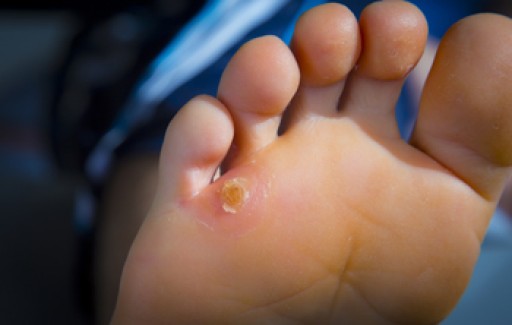
A foot blister is a small fluid-filled pocket that forms on the upper-most layer of the skin. Blisters are filled with clear fluid and can lead to blood drainage or pus if the area becomes infected.

How Do Blisters Form?

Blisters on the feet are often the result of constant friction of skin and material, usually by shoe rubbing. Walking in sandals, boots, or shoes that don’t fit properly for long periods of time can result in a blister. Having consistent foot moisture and humidity can easily lead to blister formation.

Prevention & Treatment

It is important to properly care for the affected area in order to prevent infection and ease the pain. Do not lance the blister and use a Band-Aid to provide pain relief. Also, be sure to keep your feet dry and wear proper fitting shoes. If you see blood or pus in a blister, seek assistance from a podiatrist.

If you have any questions, please feel free to contact our office located in Thousand Oaks, CA . We offer the newest diagnostic and treatment technologies for all your foot care needs.
Read more about Blisters on the Feet

Everything You Need to Know About Corns

Corns are hard and thick areas of skin that form as a result of constant rubbing, friction, or pressure on the skin. They are patches of dead skin with a small plug toward the center. They may appear on the tops and sides of toes and can make walking painful.

Soft corns are typically thinner with a white color and rubbery texture. Soft corns tend to appear between the toes. Seed corns are another type of corn that appear in clusters and can be tender if they are on a weight-bearing part of the foot. Seed corns usually appear on the bottom of the foot and are likely caused by a blockage in sweat ducts.

While corns and calluses are somewhat similar, calluses are a bit different. Calluses are a patch of dead skin that can occur anywhere on the body. In comparison to corns, calluses are usually a bit larger in size. However, both corns and calluses are caused by increased friction on the skin.

There are some risk factors that may increase your chances of developing corns and calluses. If you have bunions, hammertoe, or a bone spur, you are more likely to develop a corn or callus on your foot.

While Corns and Calluses tend to disappear when the friction to the affected area ceases, the help of a podiatrist may be useful in the removal process. It is important to remove the dead skin around the area and this may be done in a few different ways. Moisturizing creams may be helpful in softening and removing the dead skin around the callus. You should never use razors or other pedicure equipment to remove your corns. Doing this may worsen your corn or callus and cause infection. 

In some cases, corns and calluses may be caused by abnormal foot structure or walking motion. In such a case, you should seek a podiatrist’s assistance in order to correct the issue.

Is It a Corn, or a Callus?

Is It a Corn, or a Callus?

Corns and calluses are similar in that they are both patches of dry skin that can appear on the feet in response to friction. Corns are small lumps of hardened skin that resemble a corn kernel in appearance. They often form on the soles of the feet or in between the toes and can be yellowish in color. Calluses are larger patches of rough, thick skin that often appear on the balls or heels of the feet. While both corns and calluses can usually be treated with conservative methods such as wearing wider, more comfortable shoes, moisturizing the skin, and wearing thicker, cushioned socks, certain cases may require medical intervention. If you have diabetes, circulatory problems, notice signs of infection such as bleeding or pus discharge, or are in severe pain, please seek the care of a podiatrist.

If you have any concerns regarding your feet and ankles, contact one of our podiatrists of Advanced Foot & Ankle Medical Center . Our doctors will treat your foot and ankle needs.

Corns: What Are They? and How Do You Get Rid of Them?
Corns can be described as areas of the skin that have thickened to the point of becoming painful or irritating. They are often layers and layers of the skin that have become dry and rough, and are normally smaller than calluses.

Ways to Prevent Corns
There are many ways to get rid of painful corns such as wearing:

  • Well-fitting socks
  • Comfortable shoes that are not tight around your foot
  • Shoes that offer support

Treating Corns
Treatment of corns involves removing the dead skin that has built up in the specific area of the foot. Consult with Our doctors to determine the best treatment option for your case of corns.

If you have any questions please feel free to contact our office located in Thousand Oaks, CA . We offer the newest diagnostic and treatment technologies for all your foot and ankle needs.

Read more about Everything You Need to Know About Corns

Foot Orthotics

Foot Orthotics

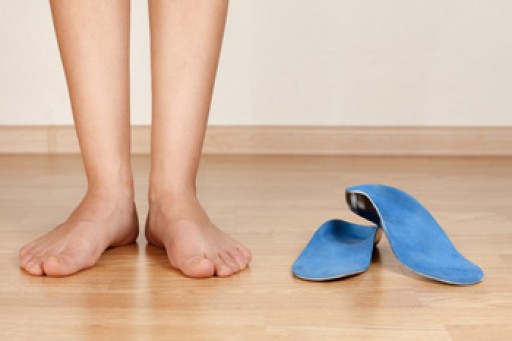
Orthotics are shoe inserts that are meant to correct an irregular walking gait or provide cushioning to the feet.  Orthotics come in a variety of different models and sizes, including over-the-counter and customizable variants. Customizable orthotics can be shaped and contoured to fit inside a specific shoe and are typically prescribed through a podiatrist who specializes in customized footwear and orthotics design and management.

Orthotics are beneficial because they can help prevent injuries from occurring and provide cushioning to keep pain levels down to a minimum. They also allow for the correct positioning of the feet. Orthotics can act as shock absorbers to help remove pressure from the foot and ankle. Therefore, orthotics can make bodily movements, such as walking and running, become more comfortable as well as help prevent the development of certain foot conditions.

Orthotics alleviate pain and make the foot more comfortable by slightly altering the angle at which the foot strikes the ground surface, therefore controlling the movement of the foot and ankle. Orthotics come in different variants and can be made of various materials. To determine what type of orthotic is most suited to your feet and your needs, it is best to consult your podiatrist. He or she will be able to recommend a type of orthotic that can help improve your foot function or prescribe a custom orthotic to best fit your feet.  

Debunking Myths About Orthotics

Debunking Myths About Orthotics

Orthotics are inserts that can be placed within shoes for many different reasons. They are designed to treat, manage, or prevent a variety of foot problems from plantar fasciitis to flat foot pain. There are multiple myths surrounding the use of orthotics. Some believe that wearing orthotics can weaken the feet. This is not the case, as orthotics are used to support and return normal function to the feet. It is more likely that not wearing orthotics and continuing to suffer with an injury or biomechanical deficit can damage the feet. Orthotics are often thought of as only being necessary for elderly patients or athletes. While both elderly individuals and athletes can certainly benefit from orthotics, these inserts are worn by people of all ages and abilities. To learn more about orthotics and to determine if they may be right for you, please consult with a podiatrist. 

If you are having discomfort in your feet and would like to try orthotics, contact one of our podiatrists from Advanced Foot & Ankle Medical Center . Our doctors can provide the care you need to keep you pain-free and on your feet.

What Are Orthotics?

Orthotics are inserts you can place into your shoes to help with a variety of foot problems such as flat feet or foot pain. Orthotics provide relief and comfort for minor foot and heel pain but can’t correct serious biomechanical problems in your feet.

Over-the-Counter Inserts

Orthotics come in a wide variety of over-the-counter inserts that are used to treat foot pain, heel pain, and minor problems. For example, arch supports can be inserted into your shoes to help correct overarched or flat feet, while gel insoles are often used because they provide comfort and relief from foot and heel pain by alleviating pressure.

Prescription Orthotics

If over-the-counter inserts don’t work for you or if you have a more severe foot concern, it is possible to have your podiatrist prescribe custom orthotics. These high-quality inserts are designed to treat problems such as abnormal motion, plantar fasciitis, and severe forms of heel pain. They can even be used to help patients suffering from diabetes by treating foot ulcers and painful calluses and are usually molded to your feet individually, which allows them to provide full support and comfort.

If you are experiencing minor to severe foot or heel pain, it’s recommended to speak with your podiatrist about the possibilities of using orthotics. A podiatrist can determine which type of orthotic is right for you and allow you to take the first steps towards being pain-free.

If you have any questions please contact our office located in Thousand Oaks, CA . We offer the newest diagnostic and treatment technologies for all your foot and ankle needs.

Read more about Foot Orthotics

Ingrown Toenails

Ingrown Toenails

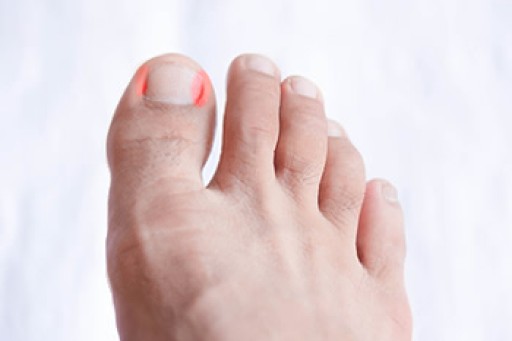
Ingrown toenails (onychocryptosis) are a common foot ailment and it is very unpleasant to experience. The condition is caused by an increase in pressure from the ingrowth of the nail edge into the skin of the toe. Ingrown toenails commonly cause pain in those who experience them. In some cases, the skin surrounding the ingrown toenail may break which may lead bacteria to enter through and cause an infection. Common symptoms of this ailment include pain, redness, swelling, and warmth around the toe.

An imbalance between the size of the nail and the enlargement of the nail skin edge causes ingrown toenails. This condition is often caused by improperly trimming the toenails. If you are trying you cut your nails, you should always try to trim straight across instead of in a rounded shape. Ingrown toenails can also be an inherited condition and they may also be caused by improper shoe fitting.

Another common cause of the condition is wearing shoes that are either too small or too large. Other causes include poor foot hygiene, obesity, diabetes, arthritis, edema, and fungal infections. There are many risk factors that may make a person more likely to develop an ingrown toenail. Athletes who play “stop and start” sports such as tennis, soccer, and basketball are most likely to have ingrown toenails.

People who have diabetes, a compromised immune system, or poor circulation should immediately seek care from a podiatrist if they have an ingrown toenail. It is also recommended to seek professional assistance if at-home remedies are not successful within a week or if there is persistent pain.

How to Deal With an Ingrown Toenail 

How to Deal With an Ingrown Toenail 

Ingrown toenails (when the nail grows into the surrounding skin) are a very common malady that podiatrists treat, as oftentimes the toenail becomes very painful, inflamed, or even infected. You can help prevent ingrown toenails from developing by avoiding shoes that are too tight and trimming your nails straight across—and not too short. There are a couple of home remedies you can try to get relief from an ingrown toenail, such as soaking the toe in warm water mixed with either Epsom salts, apple cider vinegar, or a mild soap. Also, try applying an antibiotic cream to the nail several times a day and keeping it wrapped in a bandage to help reduce the chances of an infection developing. Wear comfortable, non-restrictive shoes that give the toes plenty of room. You can even try using an over-the-counter toe protector, which is a padded ring that cushions the toe and prevents it from rubbing against other toes or footwear. If your ingrown toenail becomes a chronic issue, the pain worsens, or you see signs of an infection, contact a podiatrist for more advanced treatment options.

Ingrown toenails may initially present themselves as a minor discomfort, but they may progress into an infection in the skin without proper treatment. For more information about ingrown toenails, contact one of our podiatrists of Advanced Foot & Ankle Medical Center . Our doctors can provide the care you need to keep you pain-free and on your feet.

Ingrown Toenails

Ingrown toenails are caused when the corner or side of a toenail grows into the soft flesh surrounding it. They often result in redness, swelling, pain, and in some cases, infection. This condition typically affects the big toe and may recur if it is not treated properly.

Causes

  • Improper toenail trimming
  • Genetics
  • Improper shoe fitting
  • Injury from pedicures or nail picking
  • Abnormal gait
  • Poor hygiene

You are more likely to develop an ingrown toenail if you are obese, have diabetes, arthritis, or have any fungal infection in your nails. Additionally, people who have foot or toe deformities are at a higher risk of developing an ingrown toenail.

Symptoms

Some symptoms of ingrown toenails are redness, swelling, and pain. In rare cases, there may be a yellowish drainage coming from the nail.

Treatment

Ignoring an ingrown toenail can have serious complications. Infections of the nail border can progress to a deeper soft-tissue infection, which can then turn into a bone infection. You should always speak with your podiatrist if you suspect you have an ingrown toenail, especially if you have diabetes or poor circulation.

If you have any questions, please feel free to contact our office located in Thousand Oaks, CA . We offer the newest diagnostic and treatment technologies for all your foot care needs.

Read more about Ingrown Toenails

Plantar Warts Can Be Treated!

Plantar Warts Can Be Treated!

Plantar warts are small growths that develop on parts of the feet that bear weight. They're typically found on the bottom of the foot. Don't live with plantar warts, and call us today!

Athlete’s Foot

Athlete’s foot, or tinea pedis, is a skin disease caused by a fungal infection.  The infection typically occurs between the toes, and the feet are most subject to this disease because shoes best create the warm, dark, and moist environment in which fungus thrives.  Other areas that create a similar environment, such as swimming pools, public showers, and locker rooms; can also promote fungi growth. 

Symptoms of athlete’s foot include dry skin, itching, scaling, inflammation, and blistering.  Sometimes, blisters can evolve into the cracks or breaks in the skin.  The exposed tissue can then create pain, swelling, and discharge.  The spread of infection can cause itching and burning as well.

While athlete’s foot commonly occurs between the toes, it may also spread to the toenails or soles of the feet.  Other parts of the body, such as the groin or underarms, can also become infected if they are touched after the original area of infection is scratched.  Aside from physical contact, athlete’s foot can also spread through the contamination of footwear, clothing or bedsheets.

Proper foot hygiene is essential in preventing athlete’s foot.  You can prevent the fungus from spreading by frequently washing your feet using soap and water, thoroughly drying the feet between the toes, changing shoes and socks every day to reduce moisture, and ensuring that bathroom and shower floors are disinfected.  Other tips include using shower shoes, avoiding walking barefoot in public environments, wearing light and airy shoes, and wearing socks that keep the feet dry.

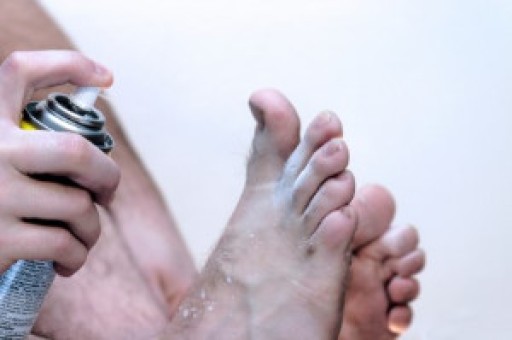
While treatment for athlete’s foot can involve topical or oral antifungal drugs, mild cases of the infection can be treated by dusting foot powder in shoes and socks.  Any treatment used can be supplemented by frequently bathing the feet and drying the toes.  If proper foot hygiene and self-care do not ease your case of athlete’s foot, contact your podiatrist.  He will determine if the underlying cause of your condition is truly a fungus.  If that is the case, a comprehensive treatment plan may be suggested with the inclusion of prescription antifungal medications.

How to Tell if You Have Athlete’s Foot

How to Tell if You Have Athlete’s Foot

Athlete’s foot is a fungal infection caused by fungi that thrive and grow in warm and moist environments such as showers, locker rooms, and pools. Because Athlete’s foot is very contagious, it can even spread from towels, floors, or clothing. Athlete’s foot presents itself as a red, scaly rash between the toes. The infection will become itchy and form blisters, and the skin will become cracked and peel. As the infection spreads to the toenails, they will become thick and discolored as well. If left untreated, the infection can spread to the entire foot and even to the hands. Because of how contagious it is, it is important to keep the feet dry and to not share any personal items such as socks, shoes, or towels. If you notice the signs of Athlete’s foot, visiting a podiatrist is suggested.

Athlete’s Foot

Athlete’s foot is often an uncomfortable condition to experience. Thankfully, podiatrists specialize in treating athlete’s foot and offer the best treatment options. If you have any questions about athlete’s foot, consult with one of our podiatrists from Advanced Foot & Ankle Medical Center . Our doctors will assess your condition and provide you with quality treatment.

What Is Athlete’s Foot?

Tinea pedis, more commonly known as athlete’s foot, is a non-serious and common fungal infection of the foot. Athlete’s foot is contagious and can be contracted by touching someone who has it or infected surfaces. The most common places contaminated by it are public showers, locker rooms, and swimming pools. Once contracted, it grows on feet that are left inside moist, dark, and warm shoes and socks.

Prevention

The most effective ways to prevent athlete’s foot include:

  • Thoroughly washing and drying feet
  • Avoid going barefoot in locker rooms and public showers
  • Using shower shoes in public showers
  • Wearing socks that allow the feet to breathe
  • Changing socks and shoes frequently if you sweat a lot

Symptoms

Athlete’s foot initially occurs as a rash between the toes. However, if left undiagnosed, it can spread to the sides and bottom of the feet, toenails, and if touched by hand, the hands themselves. Symptoms include:

  • Redness
  • Burning
  • Itching
  • Scaly and peeling skin

Diagnosis and Treatment

Diagnosis is quick and easy. Skin samples will be taken and either viewed under a microscope or sent to a lab for testing. Sometimes, a podiatrist can diagnose it based on simply looking at it. Once confirmed, treatment options include oral and topical antifungal medications.

If you have any questions, please feel free to contact our office located in Thousand Oaks, CA . We offer the newest diagnostic and treatment technologies for all your foot care needs.


Read more about Athlete’s Foot

Connect With Us

scroll-to-top