Blog

High Heels Are Bad for Your Health

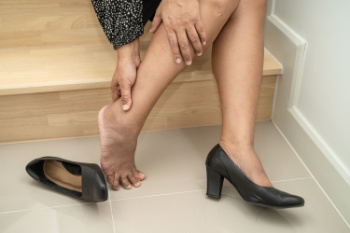
High heels, while often a fashionable choice, can lead to a variety of foot problems and discomfort. Prolonged wearing of high heels forces the feet into an unnatural position, which can cause deformities such as hammertoes and bunions. These shoes also increase the risk of developing neuromas, which are painful nerve growths often felt between the toes. Beyond the feet, high heels can place excessive stress on the back and lower extremities due to the altered distribution of body weight. This shift not only affects posture but also disrupts the natural gait and balance, leading to potential injuries and chronic pain in the legs and spine. To mitigate these issues, it is advisable to limit the time spent in high heels, choose shoes with a lower heel height and more supportive structure, and alternate with more comfortable footwear. Stretching exercises and proper foot care can also alleviate symptoms. If you have persistent pain or deformities from wearing high heels, it is suggested that you speak to a podiatrist for professional advice and treatment options.

High heels have a history of causing foot and ankle problems. If you have any concerns about your feet or ankles, contact one of our podiatrists from Advanced Foot & Ankle Medical Center . Our doctors can provide the care you need to keep you pain-free and on your feet.

Effects of High Heels on the Feet

High heels are popular shoes among women because of their many styles and societal appeal.  Despite this, high heels can still cause many health problems if worn too frequently.

Which Parts of My Body Will Be Affected by High Heels?

  • Ankle Joints
  • Achilles Tendon – May shorten and stiffen with prolonged wear
  • Balls of the Feet
  • Knees – Heels cause the knees to bend constantly, creating stress on them
  • Back – They decrease the spine’s ability to absorb shock, which may lead to back pain.  The vertebrae of the lower back may compress.

What Kinds of Foot Problems Can Develop from Wearing High Heels?

  • Corns
  • Calluses
  • Hammertoe
  • Bunions
  • Morton’s Neuroma
  • Plantar Fasciitis

How Can I Still Wear High Heels and Maintain Foot Health?

If you want to wear high heeled shoes, make sure that you are not wearing them every day, as this will help prevent long term physical problems.  Try wearing thicker heels as opposed to stilettos to distribute weight more evenly across the feet.  Always make sure you are wearing the proper shoes for the right occasion, such as sneakers for exercising.  If you walk to work, try carrying your heels with you and changing into them once you arrive at work.  Adding inserts to your heels can help cushion your feet and absorb shock. Full foot inserts or metatarsal pads are available. 

If you have any questions please feel free to contact our office located in Thousand Oaks, CA . We offer the newest diagnostic and treatment technologies for all your foot and ankle needs.
Read more about Effect of High Heels on the Feet

The Prevalence of Foot Pain

Foot pain is a pervasive ailment affecting people of all ages and lifestyles. It manifests in various forms and can be felt anywhere in the foot, from the toes to the heel. Unfortunately, foot care is frequently neglected, leading to greater discomfort and potential complications. Foot discomfort is particularly pronounced among the elderly and women, which may be due to the aging process and footwear choices. The role of footwear cannot be overstated in the context of foot pain. Wearing ill-fitting shoes, high heels, or footwear with inadequate support can contribute significantly to discomfort and even chronic conditions like plantar fasciitis or bunions. Conversely, proper footwear selection, including supportive insoles or custom orthotics when necessary, can alleviate pressure points and promote overall foot health. If you suffer from persistent foot pain, it is suggested that you schedule an appointment with a podiatrist for a proper diagnosis and treatment.

Foot Pain

Foot pain can be extremely painful and debilitating. If you have a foot pain, consult with one of our podiatrists from Advanced Foot & Ankle Medical Center . Our doctors will assess your condition and provide you with quality foot and ankle treatment.

Causes

Foot pain is a very broad condition that could be caused by one or more ailments. The most common include:

  • Bunions
  • Hammertoes
  • Plantar Fasciitis
  • Bone Spurs
  • Corns
  • Tarsal Tunnel Syndrome
  • Ingrown Toenails
  • Arthritis (such as Gout, Rheumatoid, and Osteoarthritis)
  • Flat Feet
  • Injury (from stress fractures, broken toe, foot, ankle, Achilles tendon ruptures, and sprains)
  • And more

Diagnosis

To figure out the cause of foot pain, podiatrists utilize several different methods. This can range from simple visual inspections and sensation tests to X-rays and MRI scans. Prior medical history, family medical history, and any recent physical traumatic events will all be taken into consideration for a proper diagnosis.

Treatment

Treatment depends upon the cause of the foot pain. Whether it is resting, staying off the foot, or having surgery; podiatrists have a number of treatment options available for foot pain.

If you have any questions, please feel free to contact our office located in Thousand Oaks, CA . We offer the newest diagnostic and treatment technologies for all your foot care needs.

Read more about Foot Pain

How Bunions Develop

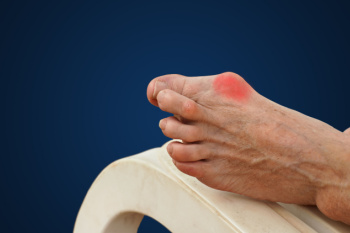
Bunions, medically known as hallux valgus, are bony bumps that form at the base of the big toe. They develop when the bones in the front part of the foot move out of place, while the tip of the big toe pulls toward the smaller toes. This forces the joint at the base of the big toe to stick out.  Over time, the movement of the big toe toward the others creates a noticeable bump, which can become painful due to inflammation or arthritis within the joint. It may require treatment ranging from padded shoes and orthotics to surgery. Certain people are genetically predisposed to develop bunions, whereas other cases of bunions may develop due to ill-fitting footwear. High heels or shoes with a narrow toe box can exacerbate this condition. Additionally, conditions like arthritis can also contribute to bunion development by weakening and damaging the cartilage in the joint. If you have a bunion, it is suggested that you visit a podiatrist for treatment options and to prevent it from worsening. 

If you are suffering from bunion pain, contact one of our podiatrists of Advanced Foot & Ankle Medical Center . Our doctors can provide the care you need to keep you pain-free and on your feet.

What Is a Bunion?

Bunions are painful bony bumps that usually develop on the inside of the foot at the joint of the big toe. As the deformity increases over time, it may become painful to walk and wear shoes. Women are more likely to exacerbate existing bunions since they often wear tight, narrow shoes that shift their toes together. Bunion pain can be relieved by wearing wider shoes with enough room for the toes.

Causes

  • Genetics – some people inherit feet that are more prone to bunion development
  • Inflammatory Conditions - rheumatoid arthritis and polio may cause bunion development

Symptoms

  • Redness and inflammation
  • Pain and tenderness
  • Callus or corns on the bump
  • Restricted motion in the big toe

In order to diagnose your bunion, your podiatrist may ask about your medical history, symptoms, and general health. Your doctor might also order an x-ray to take a closer look at your feet. Nonsurgical treatment options include orthotics, padding, icing, changes in footwear, and medication. If nonsurgical treatments don’t alleviate your bunion pain, surgery may be necessary.

If you have any questions, please feel free to contact our office located in Thousand Oaks, CA . We offer the newest diagnostic and treatment technologies for all your foot care needs.

Read more about What Are Bunions?

Blistery Foot Woes

Blisters on the feet are often caused by friction from wearing ill-fitting shoes or engaging in prolonged physical activity. Corns can also result from burns, allergic reactions, or fungal infections. These fluid-filled pockets form as a protective response to pressure or irritation on the skin. While blisters are usually harmless, they can become painful if they rupture or get infected. Preventing blisters involves wearing properly fitting shoes, using moisture-wicking socks, and avoiding repetitive friction on the skin. Applying cushioning pads or bandages to high-friction areas can also help reduce the risk of blister formation. Podiatrists can provide treatment to relieve pain, prevent infection, and address underlying factors that contribute to blister formation, ensuring optimal foot health and comfort. If you have a foot blister that persists or has become painful or infected, it is suggested that you seek professional care from a podiatrist.

Blisters are prone to making everyday activities extremely uncomfortable. If your feet are hurting, contact one of our podiatrists of Advanced Foot & Ankle Medical Center . Our doctors can provide the care you need to keep you pain-free and on your feet.

Foot Blisters

Foot blisters develop as a result of constantly wearing tight or ill-fitting footwear. This happens due to the constant rubbing from the shoe, which can often lead to pain.

What Are Foot Blisters?

A foot blister is a small fluid-filled pocket that forms on the upper-most layer of the skin. Blisters are filled with clear fluid and can lead to blood drainage or pus if the area becomes infected.

How Do Blisters Form?

Blisters on the feet are often the result of constant friction of skin and material, usually by shoe rubbing. Walking in sandals, boots, or shoes that don’t fit properly for long periods of time can result in a blister. Having consistent foot moisture and humidity can easily lead to blister formation.

Prevention & Treatment

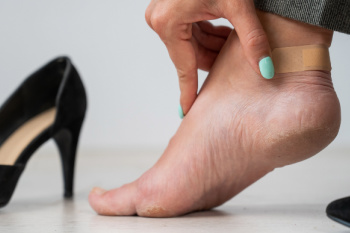
It is important to properly care for the affected area in order to prevent infection and ease the pain. Do not lance the blister and use a Band-Aid to provide pain relief. Also, be sure to keep your feet dry and wear proper fitting shoes. If you see blood or pus in a blister, seek assistance from a podiatrist.

If you have any questions, please feel free to contact our office located in Thousand Oaks, CA . We offer the newest diagnostic and treatment technologies for all your foot care needs.

Read more about Blisters

Are You Suffering From Ingrown Toenails?

If left untreated, an ingrown toenail can lead to more serious concerns, such as an infection. Knowing proper nail care can help in the prevention of an ingrown toenail. Give us a call, and get treated!

Vascular Testing of the Feet

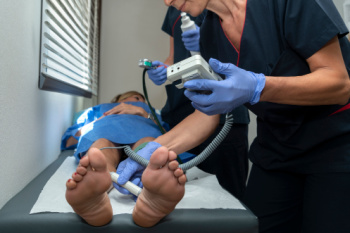
Vascular testing of the feet by podiatrists is a critical diagnostic tool in assessing blood flow and circulation, especially in patients with diabetes or peripheral artery disease. Podiatrists employ various techniques to evaluate vascular health, including ankle-brachial index, or ABI measurements, Doppler ultrasound, and toe pressure measurements. ABI compares blood pressure in the ankle to that in the arm, indicating potential arterial blockages. Doppler ultrasound assesses blood flow velocity and direction, identifying narrowing or blockages in arteries. Toe pressure measurements gauge the pressure in the toes, offering insight into distal circulation. Indicators for conducting vascular testing include symptoms like leg pain, wounds that do not heal, or changes in skin color or temperature. Obstacles to performing these tests may include time, limited access to equipment, or patient discomfort. If you notice discomfort in your feet and toes that may indicate a circulation issue, it is strongly suggested that you schedule an appointment with a podiatrist so that if vascular testing is needed, it is done so in a timely manner.

Vascular testing plays an important part in diagnosing disease like peripheral artery disease. If you have symptoms of peripheral artery disease, or diabetes, consult with one of our podiatrists from Advanced Foot & Ankle Medical Center . Our doctors will assess your condition and provide you with quality foot and ankle treatment.

What Is Vascular Testing?

Vascular testing checks for how well blood circulation is in the veins and arteries. This is most often done to determine and treat a patient for peripheral artery disease (PAD), stroke, and aneurysms. Podiatrists utilize vascular testing when a patient has symptoms of PAD or if they believe they might. If a patient has diabetes, a podiatrist may determine a vascular test to be prudent to check for poor blood circulation.

How Is it Conducted?

Most forms of vascular testing are non-invasive. Podiatrists will first conduct a visual inspection for any wounds, discoloration, and any abnormal signs prior to a vascular test.

 The most common tests include:

  • Ankle-Brachial Index (ABI) examination
  • Doppler examination
  • Pedal pulses

These tests are safe, painless, and easy to do. Once finished, the podiatrist can then provide a diagnosis and the best course for treatment.

If you have any questions, please feel free to contact our office located in Thousand Oaks, CA . We offer the newest diagnostic and treatment technologies for all your foot care needs.


Read more about Vascular Testing in Podiatry

Foot Health for Runners

Common running injuries such as Achilles tendinitis, plantar fasciitis, and stress fractures can sideline runners and hinder training progress. Achilles tendinitis involves inflammation of the Achilles tendon, often caused by overuse, improper footwear, or inadequate stretching. Plantar fasciitis, characterized by heel pain due to inflammation of the plantar fascia, typically arises from excessive running, poor foot mechanics, or inadequate support. Stress fractures, tiny cracks in bones resulting from repetitive impact, often occur in the feet or lower legs due to sudden increases in training intensity or duration. To prevent these injuries, runners should gradually increase mileage, wear appropriate footwear, incorporate strength and flexibility exercises, and listen to their bodies for signs of overtraining. A podiatrist can provide valuable assistance by assessing foot biomechanics and recommending proper footwear or orthotics. Additionally, these types of doctors can prescribe tailored rehabilitation exercises, and offer guidance on training modifications to prevent recurrence and promote optimal foot health for runners. If you have sustained an injury while running, it is suggested that you schedule an appointment with a podiatrist for a proper diagnosis and treatment.

Exercising your feet regularly with the proper foot wear is a great way to prevent injuries. If you have any concerns about your feet, contact one of our podiatrists of Advanced Foot & Ankle Medical Center . Our doctors will treat your foot and ankle needs.

How to Prevent Running Injuries

Many common running injuries are caused by overuse and overtraining. When the back of the kneecap starts wearing out and starts causing pain in your knee, this is commonly referred to as runner’s knee. Runner’s knee is a decrease in strength in your quadriceps and can occur if you’re not wearing properly fitted or supporting shoes. To prevent runner’s knee, focusing on hip strengthening is a good idea, as well as strengthening your quads to keep the kneecaps aligned.

What Are Some Causes of Running Injuries?
- One cause of a common running injury is called iliotibial band syndrome.
- Plantar fasciitis is also another common injury.
- Stress fractures can occur from overtraining, lack of calcium, or even your running style.

Best Ways to Prevent Running Injuries
- Wear footwear that fits properly and suits your running needs.
- Running shoes are the only protective gear that runners have to safeguard them from injury.
- Make a training schedule. Adding strengthening exercises as well as regular stretching can help keep you strong and limber and can lessen the possibility of injuries.
- Stretching keeps muscles limber; this will help you gain better flexibility.

If you have any questions please feel free to contact our office located in Thousand Oaks, CA . We offer the newest diagnostic and treatment technologies for all your foot and ankle needs.

Read more about Preventing Running Injuries

Benefits of Orthotics for the Physically Active Person

Custom-made orthotics offer significant benefits to individuals who are physically active by providing better alignment, balance, and improved mechanics. These orthotic shoe inserts are tailored to each individual's unique foot structure and biomechanics, ensuring optimal support and stability during physical activity. By correcting imbalances and redistributing pressure, custom orthotics help alleviate pain and reduce the risk of injuries, such as shin splints, plantar fasciitis, and stress fractures. Additionally, orthotics can improve gait efficiency, enhancing performance in activities, such as running, jumping, and sports. The precise fit and support offered by custom orthotics help maintain proper alignment of the feet, ankles, and lower limbs, minimizing strain on muscles and joints. If you are physically active, it is suggested that you make an appointment with a podiatrist to discuss if custom-made orthotics can support your active lifestyle and improve more comfortable performance.

If you are having discomfort in your feet and would like to try orthotics, contact one of our podiatrists from Advanced Foot & Ankle Medical Center . Our doctors can provide the care you need to keep you pain-free and on your feet.

What Are Orthotics?

Orthotics are inserts you can place into your shoes to help with a variety of foot problems such as flat feet or foot pain. Orthotics provide relief and comfort for minor foot and heel pain but can’t correct serious biomechanical problems in your feet.

Over-the-Counter Inserts

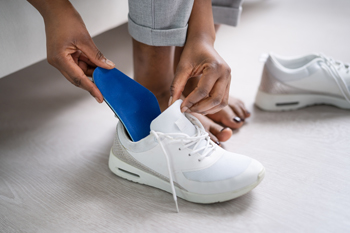
Orthotics come in a wide variety of over-the-counter inserts that are used to treat foot pain, heel pain, and minor problems. For example, arch supports can be inserted into your shoes to help correct overarched or flat feet, while gel insoles are often used because they provide comfort and relief from foot and heel pain by alleviating pressure.

Prescription Orthotics

If over-the-counter inserts don’t work for you or if you have a more severe foot concern, it is possible to have your podiatrist prescribe custom orthotics. These high-quality inserts are designed to treat problems such as abnormal motion, plantar fasciitis, and severe forms of heel pain. They can even be used to help patients suffering from diabetes by treating foot ulcers and painful calluses and are usually molded to your feet individually, which allows them to provide full support and comfort.

If you are experiencing minor to severe foot or heel pain, it’s recommended to speak with your podiatrist about the possibilities of using orthotics. A podiatrist can determine which type of orthotic is right for you and allow you to take the first steps towards being pain-free.

If you have any questions please contact our office located in Thousand Oaks, CA . We offer the newest diagnostic and treatment technologies for all your foot and ankle needs.

Read more about Ankle Foot Orthotics for Athletes

Injuries to the Feet and Ankle From Running

Running is a fantastic way to stay fit, but it comes with risks, particularly for the feet and ankles. With a complex network of bones and joints, these areas are prone to injury. One common ailment is plantar fasciitis, characterized by sharp pain in the heel or arch. Ankle sprains, caused by twisting or rolling the ankle, are also prevalent among runners, leading to swelling and instability. Morton's neuroma, a nerve condition, manifests as a sharp, burning pain in the ball of the foot. Given the intricacies involved, if you run for fun or sport, and you have sustained a foot or ankle injury or desire guidance, it is suggested that you schedule an appointment with a podiatrist who can provide valuable insights into footwear selection, running techniques, and personalized treatment plans for injuries.

Ankle and foot injuries are common among athletes and in many sports. They can be caused by several problems and may be potentially serious. If you are feeling pain or think you were injured in a sporting event or when exercising, consult with one of our podiatrists from Advanced Foot & Ankle Medical Center . Our doctors will assess your condition and provide you with quality foot and ankle treatment.

Common Injuries

The most common injuries that occur in sporting activities include:

  • Achilles Tendonitis
  • Achilles Tendon Rupture
  • Ankle Sprains
  • Broken Foot
  • Plantar Fasciitis
  • Stress Fractures
  • Turf Toe

Symptoms

Symptoms vary depending upon the injury and in some cases, there may be no symptoms at all. However, in most cases, some form of symptom is experienced. Pain, aching, burning, bruising, tenderness, tightness or stiffness, sensation loss, difficulty moving, and swelling are the most common symptoms.

Treatment

Just as symptoms vary depending upon the injury, so do treatment options. A common treatment method is known as the RICE method. This method involves rest, applying ice, compression and elevating the afflicted foot or ankle. If the injury appears to be more serious, surgery might be required, such as arthroscopic or reconstructive surgery. Lastly, rehabilitation or therapy might be needed to gain full functionality in the afflicted area. Any discomfort experienced by an athlete must be evaluated by a licensed, reputable medical professional.  

If you have any questions, please feel free to contact our office located in Thousand Oaks, CA . We offer the newest diagnostic and treatment technologies for all your foot care needs.

Read more about Sports Related Foot And Ankle Injuries

Why Live with Pain and Numbness in Your Feet?

Suffering from this type of pain? You may have the foot condition known as Morton's neuroma. Morton's neuroma may develop as a result of ill-fitting footwear and existing foot deformities. We can help.

Connect With Us

scroll-to-top